
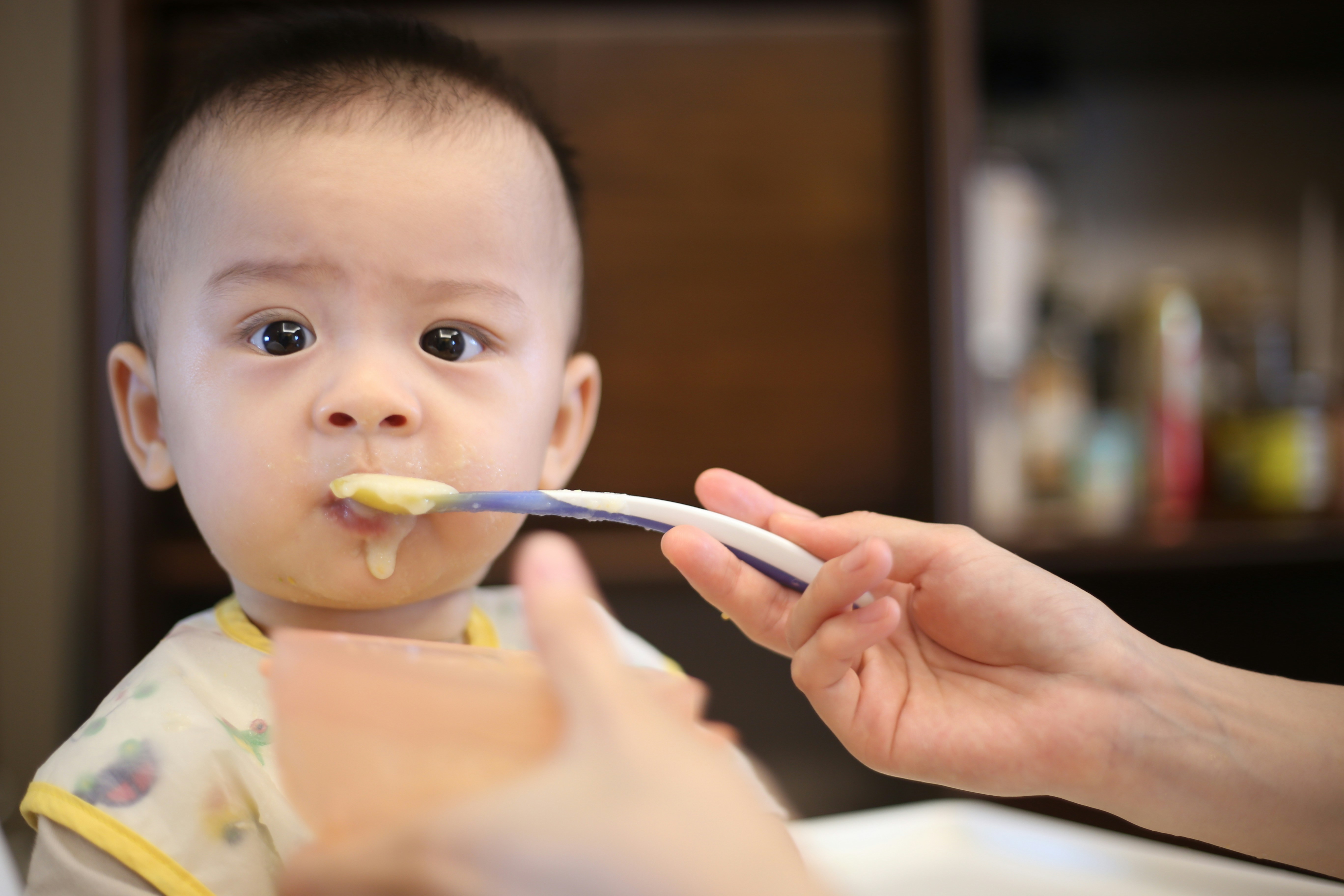
When to Start Solid Foods (and How to Introduce Them Safely)
By Team Tummi
•
Feb 9, 2026
Wondering if it's time for starting solid foods? It's a huge milestone, but the conflicting advice can feel overwhelming. Readiness is about developmental milestones, not just a date on the calendar. While authorities like the American Academy of Pediatrics (AAP) point to around 6 months, it's your baby's individual skills that give the true green light. This guide will help you spot those signs with confidence and create a simple, step-by-step plan for the journey ahead.
Summary
Look for developmental readiness—steady head control, sitting with support, clear interest in food, and a fading tongue-thrust reflex—often around 6 months. Start with purées, finger foods, or a mix, emphasizing iron-rich, single-ingredient options and prioritizing exploration over volume. Learn the difference between loud, protective gagging and silent, dangerous choking, and introduce common allergens early in tiny amounts while monitoring for reactions. Keep breast milk or formula as the main nutrition, offer small portions of solids after milk, a few sips of water with meals, and follow your baby’s fullness cues.
Is Your Baby Ready for Solids? A Simple 3-Sign Checklist
Instead of only watching the calendar, look for these clear signals that your baby is physically prepared. These signs ensure they can eat safely and effectively.
Your Baby's Readiness To-Do List
Great Head Control: Can they hold their head up steadily without wobbling?
Sits with Support: Can they sit upright in a high chair?
Shows Interest: Do they watch you eat, lean forward, and open their mouth?
Finally, you'll notice a key change: the tongue-thrust reflex is disappearing. This is the instinct that causes younger babies to automatically push food out of their mouth. Once this reflex fades, they can successfully move food back to swallow. If your baby checks all these boxes, they're telling you they're ready.
Purées vs. Finger Foods: Which Path Is Right for Your Baby?
The traditional path involves spoon-feeding smooth purées, like mashed avocado or iron-fortified oatmeal. Another popular approach is Baby-Led Weaning (BLW), where you offer soft, finger-sized pieces of food---like a steamed sweet potato strip or a ripe banana spear---and let them feed themselves from the start.
There's no wrong answer. While purées give you more control over intake, finger foods are fantastic for developing fine motor skills. As babies work to pick up food, they practice their pincer grasp---using their thumb and forefinger---which is a key milestone for future self-feeding.
The great news is you don't have to choose! Many families find success with a combination of both. You can offer a pre-loaded spoon of purée alongside soft fruit strips, giving your baby a chance to practice all their new skills.
The 5 Best First Foods for Your Baby's Brain and Body
When starting out, focus on single-ingredient foods to easily spot any potential sensitivities. One nutrient is especially important right now: iron. Babies are born with iron stores that begin to run low around 6 months, which is why the AAP emphasizes iron-rich foods for healthy brain development.
Here are five fantastic first foods that are easy to prepare and packed with nutrients:
Iron-Fortified Oatmeal: An excellent first source of the iron your growing baby needs.
Avocado: Full of healthy fats for brain development. Just mash with a fork and serve!
Sweet Potato: Rich in Vitamin A and easy to steam or bake until fork-tender.
Banana: A convenient, potassium-packed option you can mash anywhere, no cooking required.
Egg: A great source of protein and a common allergen to introduce early.
Remember, the goal right now is exploration, not cleaning the plate. Let your baby touch, taste, and get messy!
Is My Baby Gagging or Choking? A Parent's Guide to Safe Feeding
It's a moment that can make any parent's heart stop, but it's crucial to know the difference between gagging (a normal reflex) and choking (a true emergency).
Gagging is your baby's built-in safety reflex, pushing food forward before it can block their airway. When a baby gags, they are loud. You'll hear coughing and sputtering as they actively work to move the food. Their face might turn red, but they are still breathing. The best thing you can do is stay calm and let them work it out.
Choking, on the other hand, is silent. Because the airway is blocked, a choking baby cannot cry, cough, or make noise. They may have a panicked look or their skin may turn blue. This silence is the key signal that they are in distress and need your immediate help.
How to Introduce Allergenic Foods to Your Baby (Without the Fear)
Guidelines from pediatric experts have shifted significantly. Research now shows that offering common allergenic foods early (around 6 months) and often is one of the best ways to help prevent food allergies. This strategy helps your baby's immune system learn that these foods are friends, not foes.
To start safely, pick a day when your baby is healthy and offer a tiny amount of a single new allergen in the morning. For example, stir ¼ teaspoon of smooth peanut butter into their usual oatmeal. Then, watch them for the next couple of hours for any signs of a reaction, which typically appears as new hives, an itchy skin rash, swelling, or vomiting.
The most common food allergens to introduce one at a time are:
Peanut
Egg
Cow's Milk (in foods like yogurt or cheese)
Soy
Wheat
If you see any of these signs, stop offering the food and call your pediatrician for guidance.
What a Day of Eating Looks Like: A Sample 6-Month-Old's Schedule
Remember that milk or formula remains your baby's main source of nutrition. Think of food as a fun experiment. A simple approach is to offer milk first, then solids 30-60 minutes later so your baby isn't too hungry to explore.
Start with just one or two teaspoons per meal. The goal isn't a full belly, but exposure to new textures and flavors. Following your baby's cues that they're full---like turning their head away---is far more important than a clean bowl.
You can also introduce a few sips (1-2 ounces) of water in an open or sippy cup with meals. This helps your baby practice important cup-drinking skills and provides a bit of hydration.
Your Confident Start to Solids: The Adventure Begins
Starting solids is an exciting adventure in taste, touch, and discovery. By watching for signs of readiness, introducing new foods safely, and understanding your baby's cues, you are prepared for one of parenting's most fun (and messy!) chapters.
Trust your instincts, embrace the mess, and enjoy every moment of this journey. You've got this.