Baby Constipation After Starting Solids: Causes, Remedies, and When to Get Help
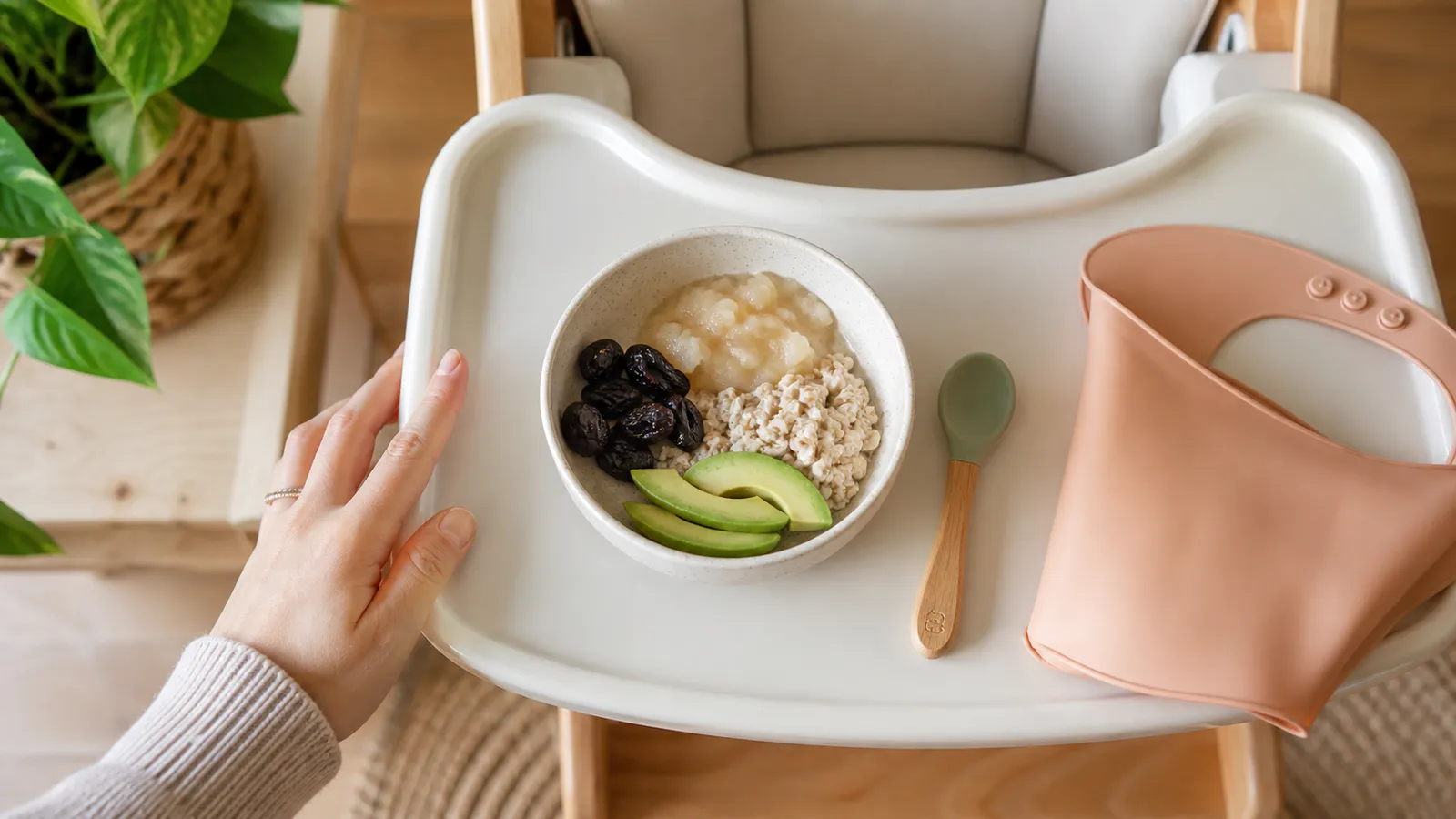

Say hello to Mr. Poop.
What was once a topic reserved for awkward doctor visits is now a dinner-table conversation with your partner, your pediatrician, your mom, and probably one more experienced friend who has somehow seen it all.
Once your baby starts solids, poop takes center stage.
It is the main character now.
And if it does not show up, suddenly everyone in the house has a problem.
The good news: poop changes after starting solids are incredibly common. The less-good news: it can be hard to tell whether your baby is actually constipated or just adjusting to a new food rhythm.
That is where tracking helps. When you can see meals, water, symptoms, and bowel movements in one place, patterns get much easier to spot.
Track every bite with confidence
Log first foods, allergens, and reactions so you never miss a sensitivity — and always know what's next.
Why Babies Get Constipated After Starting Solids
Starting solids changes your baby's poop game. Color, smell, texture, and frequency can all shift once breast milk or formula is no longer the only thing on the menu.
Constipation can happen because your baby's digestive system is adjusting from an all-liquid diet to new foods, new textures, and new amounts of fiber. Some foods help keep things moving. Others can slow the whole production down.
Nationwide Children's Hospital notes that an infant's bowel movement pattern can change when their diet changes, including when they start solid foods. The key is not just how often your baby poops, but whether the stool is soft and easy to pass.
Mild constipation after starting solids is usually temporary and manageable at home. But it still deserves attention, because a backed-up baby is rarely a chill baby.
Baby Poop After Starting Solids: What’s Normal
Baby poop after starting solids can change in color, smell, consistency and frequency. Learn what’s normal, what’s not, and how to avoid panic by tracking patterns.
Common Signs of Constipation in Babies
The American Academy of Pediatrics' HealthyChildren.org suggests looking at stool texture, discomfort, straining, and blood from hard stools when deciding whether a baby may be constipated.
Common signs include:
- Hard, dry, or pebble-like poop
- Straining for a long time without success
- Crying during bowel movements
- A bloated or uncomfortable tummy
- Going several days without poop, especially with discomfort
- Small streaks of blood from passing hard stool
- Extra fussiness around meals or throughout the day
Less frequent pooping does not automatically mean constipation.
Once solids enter the picture, many babies settle into a new rhythm. Some poop daily. Some do not. The better question is what comes out when they go.
Soft poop after a few quiet diaper days? Usually less concerning.
Hard pellets with tears and straining? That deserves a closer look.
Foods That Can Cause Constipation in Babies
First: you have not done anything wrong. Some foods are more likely to slow things down, especially when they show up often or crowd out higher-fiber foods.
Common constipation culprits can include:
- Bananas, especially less-ripe bananas
- Rice cereal
- White bread and pasta
- Cheese and large amounts of dairy
- Highly processed foods
- Applesauce, compared with whole apples or pears
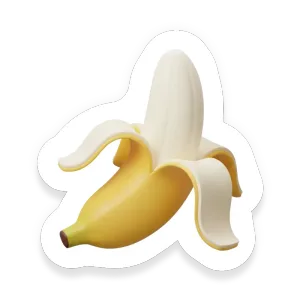
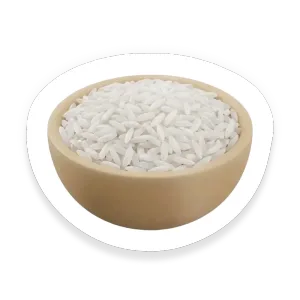
The goal is not to banish bananas or put rice cereal on a permanent timeout. Many foods that can occasionally slow things down are still nutritious and fine for babies.
The trick is balance, not panic.
Do You Need to Avoid Constipation-Triggering Foods Completely?
Nope.
Instead of cutting out every food that might slow digestion, try adjusting the plate.
- Pair slower foods with fiber-rich foods. If banana seems to back things up, serve it alongside pear, peach, or another fiber-rich food.
- Offer small sips of water with meals if your baby is old enough. Water is not a replacement for breast milk or formula, but it can support hydration once solids begin.
- Track new foods and poop changes. If the same food seems to cause the same issue more than once, you will have a clearer pattern to discuss with your pediatrician.
The big plan is to expand your baby's menu, not start a lifelong feud with bananas.
How Much Water Does a Baby Need After Starting Solids?
Around 6 months, babies can start having small amounts of water with meals. Breast milk or formula should still be the main drink until your baby's first birthday.
HealthyChildren.org says that around 6 months, babies can have about 4-8 ounces of water per day in an open, sippy, or straw cup.
That does not mean your baby needs to chug water like they just finished a workout class.
Tiny tummies fill quickly. Too much water can interfere with breast milk or formula intake, so think small sips with meals unless your pediatrician gives different guidance.
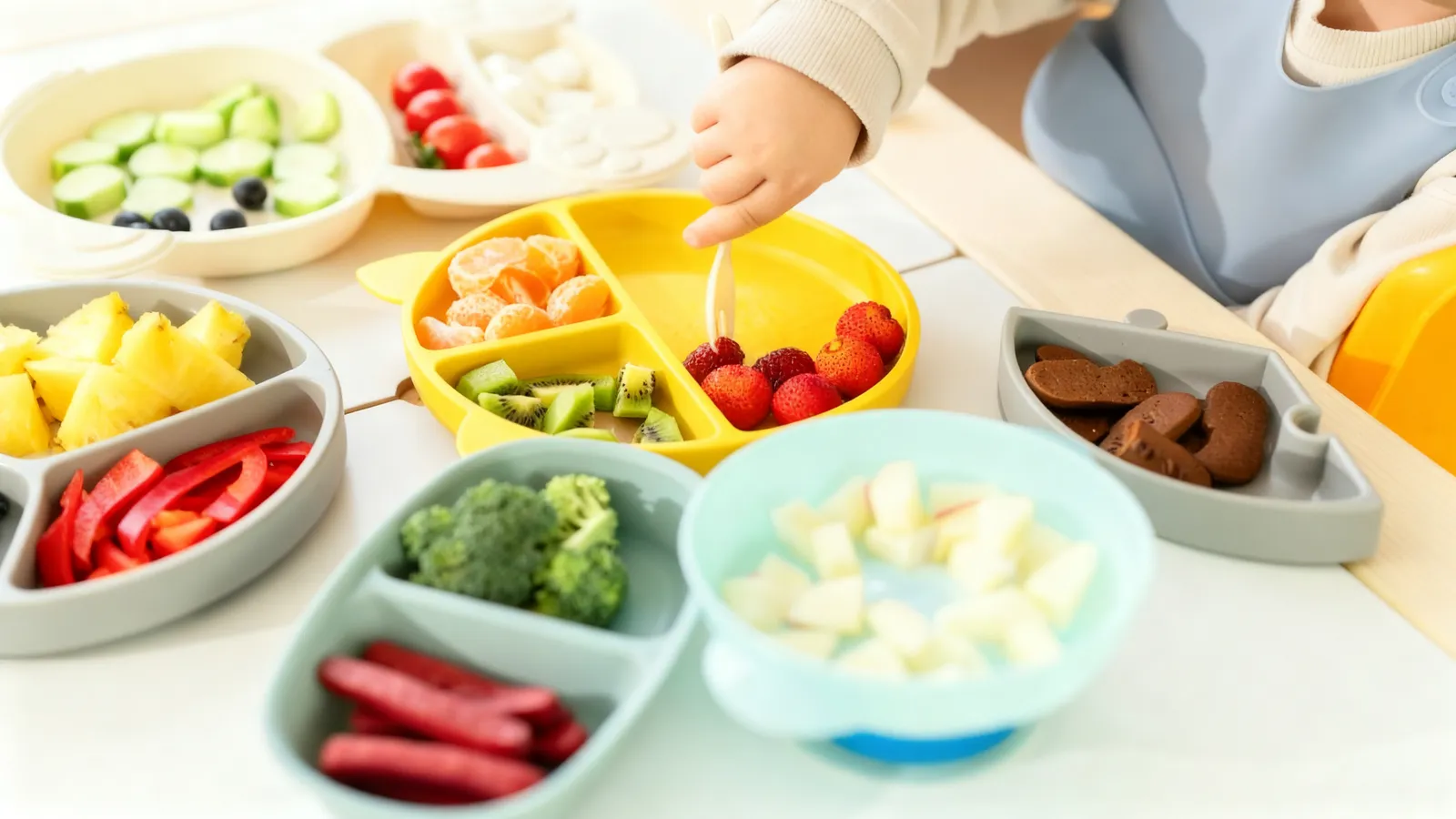
When and How to Start Solid Foods
Are you not sure when to start solids? Learn readiness signs around 6 months, best first foods, gagging vs choking, and safe allergen introduction—step by step.
Best Foods to Help Relieve Baby Constipation
If you are trying to help poop show up, remember the classic "P" fruits: pears, peaches, and prunes.
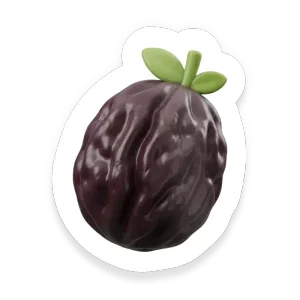
These foods are popular for a reason. They bring fiber, fluid, and naturally occurring compounds that can help soften stool and support easier bowel movements.
Other tummy-friendly options can include:
- Oats
- Sweet potato
- Beans or lentils
- Broccoli
- Avocado
- Age-appropriate chia or flax seeds for older babies, if your pediatrician is comfortable with them
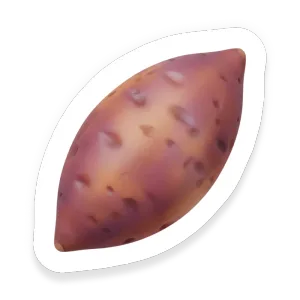
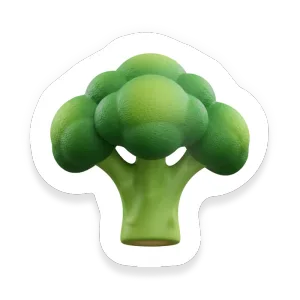
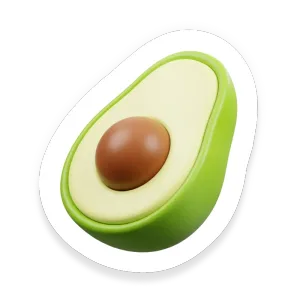
Offer these in textures that match your baby's feeding stage and skill level. A food can be wonderful for digestion and still need to be prepared safely.
Find the perfect first food
Browse 400+ pediatrician-backed foods with prep guides and age-appropriate textures — all in one place.
Gentle Ways to Help Your Baby Poop
Food and fluids are only part of the story. Movement can help too.
You can try:
- Bicycle legs
- A warm bath
- Gentle tummy massage
- More tummy time
- Extra floor play and movement
Skip laxatives, suppositories, or medications unless your pediatrician tells you to use them. Babies are small, and constipation treatment should be guided by someone who knows your child's age, history, and symptoms.
When to Call Your Pediatrician About Constipation
A few days without poop can be frustrating. A baby straining so hard they look like they are trying to lift furniture? Also not fun.
But sometimes constipation needs more than pears, water, and bicycle legs.
Call your pediatrician if constipation does not improve after a few days of gentle changes, keeps coming back, or seems connected to pain, poor feeding, or weight concerns.
Reach out right away if your baby has constipation with:
- Fever
- Vomiting
- A swollen or firm belly
- Refusal to eat
- Signs of dehydration
- Blood in stool that is more than a tiny streak from hard poop
- Weight loss or poor growth
When in doubt, call. That is exactly what your pediatrician is there for.
Why Does My Baby's Constipation Keep Coming Back?
If constipation keeps returning, look for patterns. Is it happening after a certain food? After several low-fiber meals in a row? On days with less fluid? Around travel, illness, or routine changes?
Sometimes ongoing digestive symptoms can also overlap with food intolerance or allergy concerns. That does not mean every constipation episode is an allergy. It means repeat patterns are worth discussing with your pediatrician.
Sharing a simple food and symptom history can make that conversation much more useful.
Should You Stop Giving Solids If Your Baby Is Constipated?
Usually, no.
Mild constipation after starting solids does not mean solids are a mistake. It often means your baby's digestive system is learning a new rhythm.
Instead of stopping solids completely, focus on softer stool support: fiber-rich foods, small sips of water if age-appropriate, safe movement, and a little detective work.
Poop may not be glamorous, but it gives you useful clues.
And with Tummi, those clues are easier to keep in one place.
Last updated