Baby Gagging vs Choking While Starting Solids
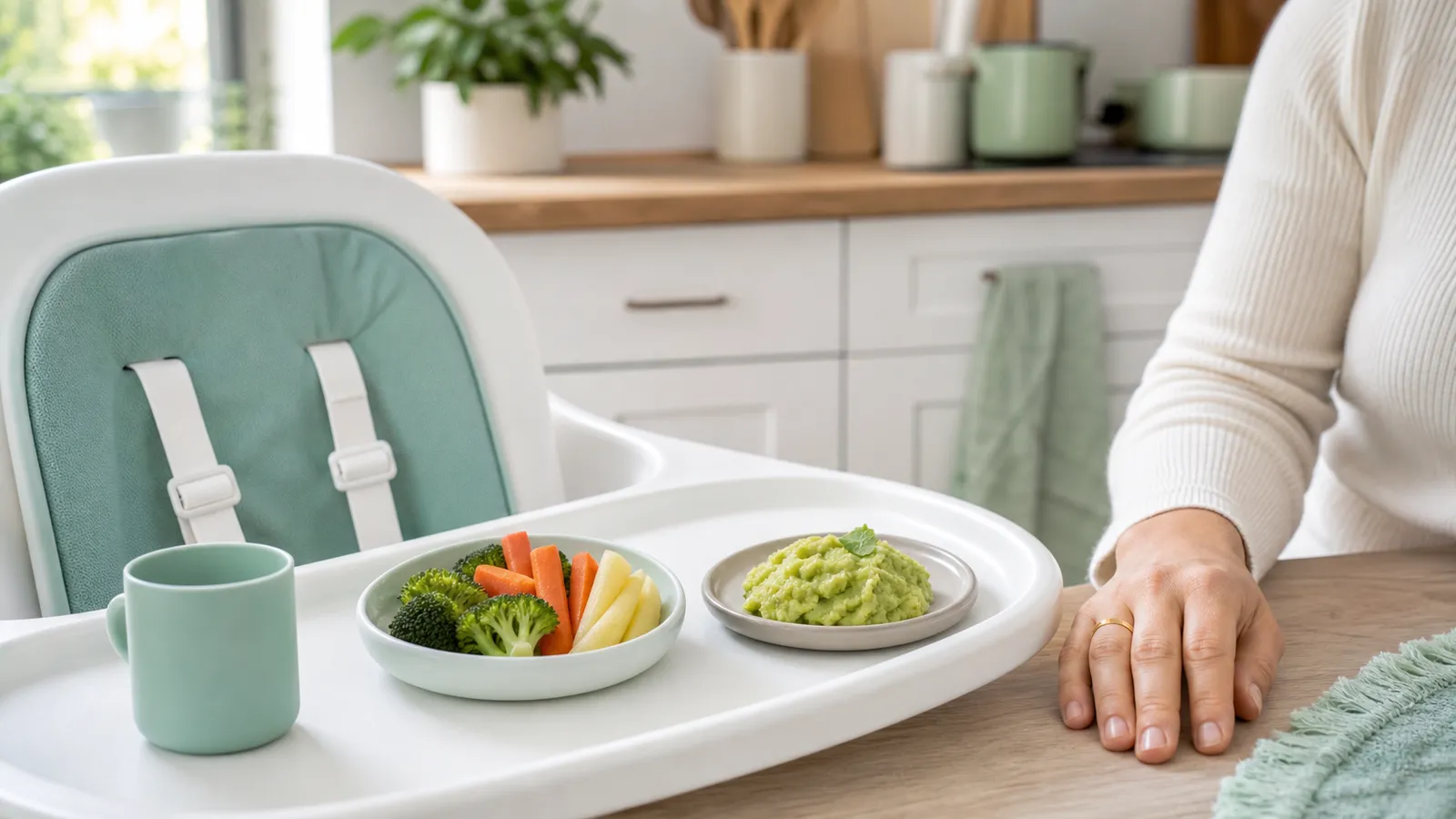

The first time your baby gags on a piece of food, time does that fun little parenting trick where three seconds lasts approximately one century.
Your baby coughs. Their eyes water. Maybe their face turns red. You freeze, then wonder: was that normal gagging, or was my baby choking?
Here is the quick, sanity-saving answer: gagging is usually loud and active. Choking can be quiet and needs immediate action. Gagging is common when babies are learning to manage solids. Choking is an emergency.
You do not need to become casual about either one. You just need to know what you are looking at.
Quick Answer: Gagging vs Choking
The NHS explains that gagging is a normal reflex when babies start weaning, and that gagging is usually loud. A gagging baby may cough, retch, push their tongue forward, or bring food back toward the front of the mouth.
Choking is different. The airway is blocked. A choking baby may be unable to cry, cough, breathe, or make noise. The AAP's HealthyChildren choking guide lists warning signs such as gasping, wheezing, bluish color, panic, limpness, and being unable to talk, cry, or make noise.
If you think your baby is choking, follow the emergency plan you learned from a certified infant CPR or first aid course and call emergency services.
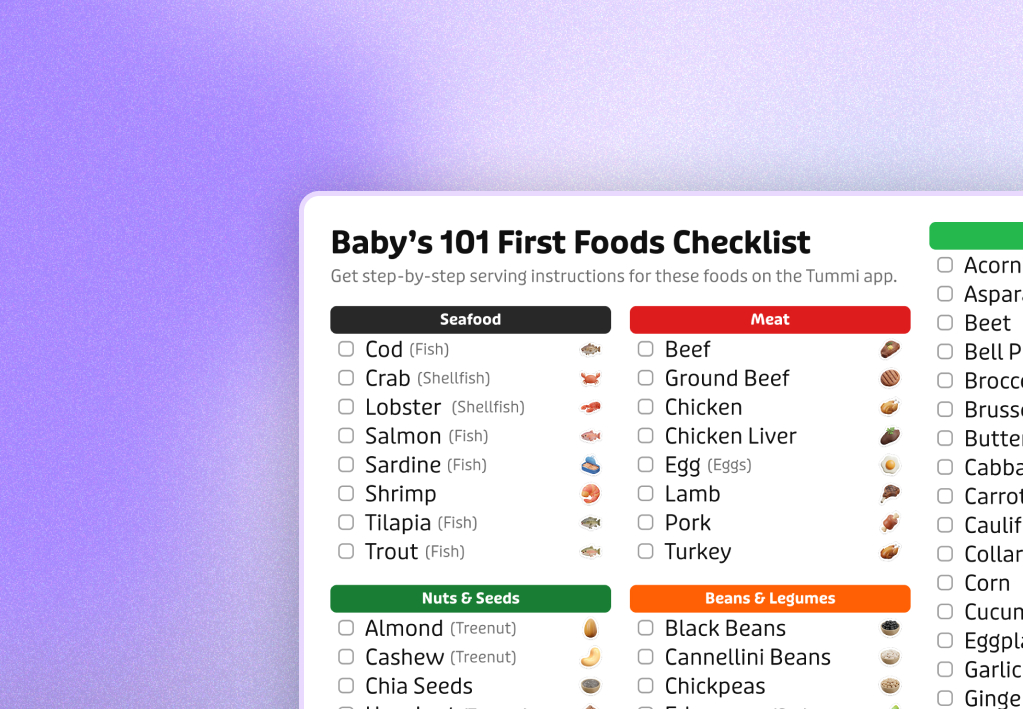
Free printable checklist
Track every first food, allergen, and reaction — all on one printable page.
Why Babies Gag So Much When Starting Solids
Babies are new to the whole "food that is not milk" project. They are learning how to move food, mash it with gums, keep breathing, swallow, and decide whether that green thing is food or a betrayal.
Gagging is one way the body protects the airway. It helps move food forward when it gets too far back too soon.
The CDC notes that as babies learn to eat, they might cough, gag, or spit up, and that thicker and lumpier textures can be introduced as their eating ability develops. In other words, gagging can be part of the learning curve.
Normal does not mean fun to watch.
It means you can observe, stay close, and avoid turning every cough into a five-alarm event.
What Gagging Can Look Like
A gagging baby may:
- Cough or sputter
- Make retching sounds
- Push the tongue forward
- Spit food out
- Have watery eyes
- Turn red in the face
- Vomit a little
- Look annoyed, surprised, or deeply offended
Gagging is often loud. Your baby is usually moving air, coughing, and working the food forward.
The best thing you can often do during a gag is stay calm and give your baby a moment. Do not sweep your finger through their mouth unless you can clearly see an object and know how to remove it safely. Blind finger sweeps can push food farther back.
What Choking Can Look Like
A choking baby may:
- Be silent or very quiet
- Be unable to cry, cough, or breathe
- Gasp or wheeze
- Look panicked
- Turn blue around the lips, gums, or fingernails
- Become limp or less responsive
The American Red Cross infant choking guidance is worth reviewing before you need it. Better yet, take an infant CPR and first aid course so your hands know what to do before your brain starts narrating a disaster movie.
This is the part where preparation reduces panic. You are not expecting choking. You are building the skill set just in case.
How to Reduce Choking Risk at Meals
You cannot eliminate every risk, because babies are tiny chaos interns. You can stack the deck in your favor.
1. Seat Your Baby Upright
Use a high chair or a stable seat where your baby is upright, supported, and not reclining. The CDC recommends having children sit up while eating and avoiding eating while lying down, crawling, walking, in the car, or in the stroller.
Food plus motion is not the vibe.
2. Match Texture to Skill
Start with foods that are soft enough to mash between your fingers. The CDC recommends preparing foods in the right shape, size, and texture for your child's development.
Good early options might include soft avocado, very ripe banana, mashed blueberries, or well-cooked vegetables. For berry prep specifically, the companion draft on how to cut blueberries for baby-led weaning walks through flattening and quartering by stage.


3. Avoid the Big Choking Shapes
Small round foods, coin-shaped foods, hard chunks, sticky globs, and slippery cylinders deserve extra respect. Whole grapes, whole berries, cherry tomatoes, hot dog rounds, whole nuts, thick spoonfuls of nut butter, chunks of cheese, and raw hard fruit can all be risky without modification.
The CDC choking page lists uncut berries, grapes, cherries, melon balls, whole beans, chunks of cheese, and thick nut butter as foods to avoid or modify for young children.
4. Keep Portions Small
Offer a few pieces at a time. If your baby is a mouth-stuffer, keep the tray boringly sparse. This is not deprivation. It is pacing.
5. Supervise Like It Matters
Stay close. Face your baby. Save the dishes, texts, and "just one quick email" for after the meal.
Supervision is not staring anxiously at every chew. It is being present enough to notice if something changes.
Should You Stop Baby-Led Weaning if Your Baby Gags?
Not automatically.
Frequent gagging can be normal early on, especially with new textures. But you can adjust the food, pace, and setup. Try softer textures, fewer pieces on the tray, or foods that are easier to hold and manage.
If your baby gags at nearly every meal, seems distressed, vomits often, cannot progress textures, has feeding delays, or has any medical condition that affects swallowing or breathing, talk to your pediatrician. A feeding therapist can be genuinely helpful, and asking for support is not a failure.
What Should You Do During a Gag?
First, check whether your baby is breathing and making noise. If they are coughing, retching, red-faced, and moving air, they may be gagging.
Stay close. Stay calm. Let them work the food forward.
Avoid cheering, laughing, panicking, or sticking your fingers in their mouth. Babies are very good at reading your face. If your face says "the committee has entered crisis mode," they may escalate too.
If breathing changes, they cannot cough or cry, or they become quiet and distressed, treat it as choking and act.
When to Call the Pediatrician
Call your pediatrician if:
- Your baby has repeated scary gagging episodes.
- Your baby coughs, wheezes, or sounds wet during or after meals.
- Your baby vomits often with solids.
- Your baby struggles with textures beyond what seems typical.
- Your baby was premature or has a medical history that affects feeding.
- You are too anxious to feed them comfortably.
That last one counts. Feeding anxiety is real, and you deserve practical support.
Get answers anytime, instantly
Ask Tummi about feeding — from allergens to meal ideas — and get a clear response on the spot.
Quick FAQ
Is gagging a sign my baby is not ready for solids? Not by itself. Look at the full readiness picture: sitting with support, good head and neck control, interest in food, and ability to swallow rather than push everything out. If those are not there yet, pause and revisit readiness.
Can purees cause gagging too? Yes. Any texture can trigger gagging if it surprises your baby or moves too far back. Some babies gag on smooth purees. Some handle soft finger foods better. Babies contain multitudes.
Is coughing always choking? No. Coughing can happen with gagging and texture learning. But weak, ineffective coughing or inability to breathe, cry, or make sound is concerning and needs action.
Should I take an infant CPR class? Yes. The AAP recommends certified first aid and CPR training for choking prevention readiness. It is one of those skills you hope you never use and are grateful to have.
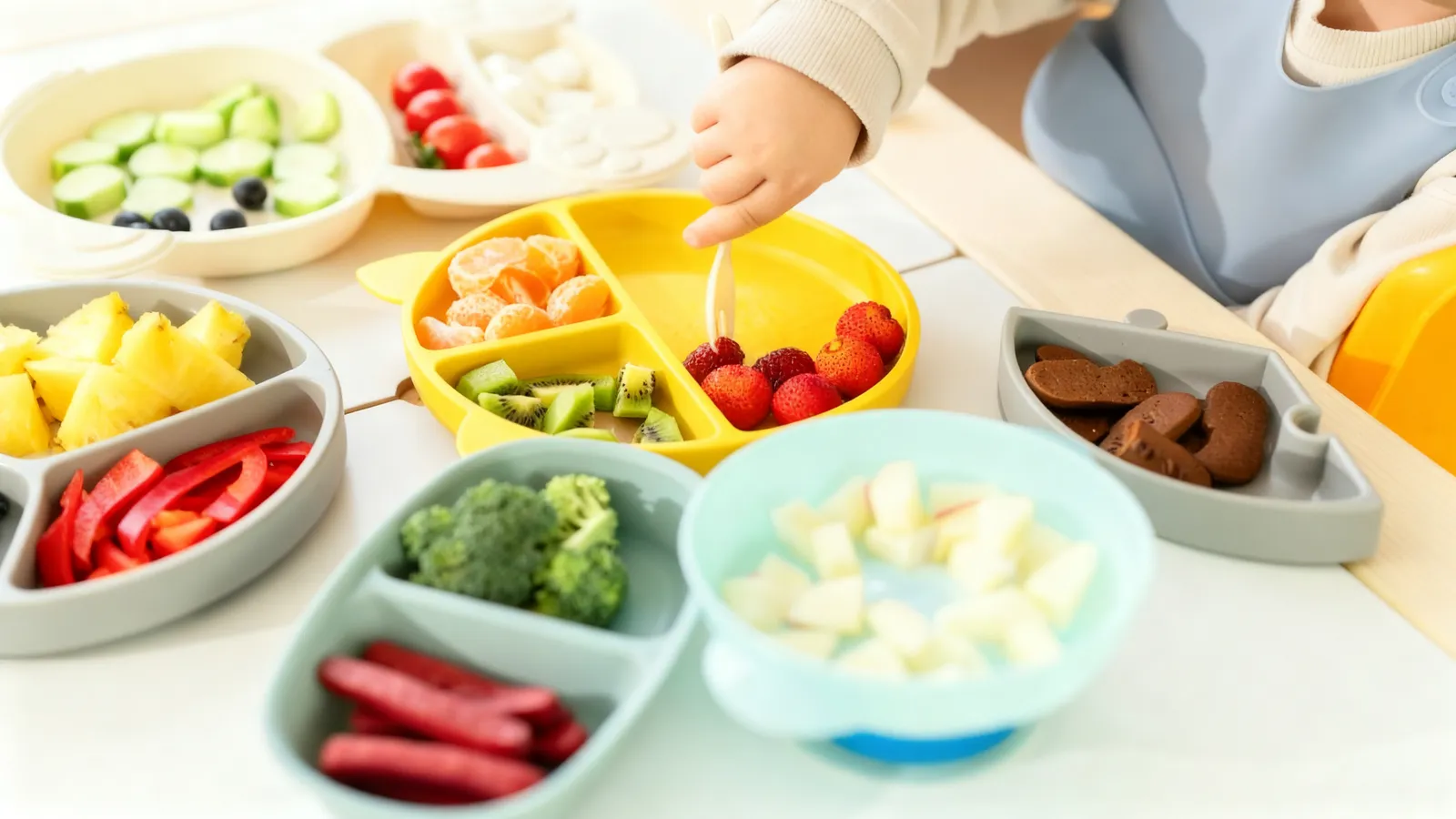
When and How to Start Solid Foods
Are you not sure when to start solids? Learn readiness signs around 6 months, best first foods, gagging vs choking, and safe allergen introduction—step by step.
The Bottom Line
Gagging is loud, dramatic, and often part of learning. Choking is quiet, dangerous, and needs immediate action.
Your job is not to feed without fear. It is to feed with preparation: safe shapes, upright seating, close supervision, and a real plan.
Tummi can help you track foods, textures, and reactions so you can notice patterns without turning every meal into a courtroom transcript. You bring the calm face. We'll help with the memory part.
Last updated
Baby Feeding Tips, Straight to Your Inbox
Feeding tips, easy recipes, and a little reassurance. Delivered to your inbox.