What to Do If My Baby Has an Allergic Reaction?


An allergic reaction may sound like a monster from a children's storybook, but unfortunately, it's much more common in real life than most parents realize.
One in 13 kids in America suffers from food allergies. And while some reactions are mild, severe allergic reactions can turn dangerous within minutes. In fact, every 10 seconds, one person ends up in the ER because of a food allergy.
That means those first few moments of panic? They matter, especially when it comes to infants.
If you're unsure of how to respond, things can quickly escalate, making it crucial to understand the symptoms, how to respond, and when to seek emergency care.
And while these situations can make meal times alone feel overwhelming, they don't have to be. Tools like Tummi can help parents track foods, symptoms, and reactions while allowing them to spot patterns early and even prevent severe reactions.
Track every bite with confidence
Log first foods, allergens, and reactions so you never miss a sensitivity — and always know what's next.
What Causes Allergic Reactions in Babies?
Whether it's in the form of a rash or a swelling, an allergic reaction is essentially the body waving a giant red flag saying, "Yikes! Nope! Absolutely not!" Think of it like an emergency alarm system: loud, sudden, and impossible to ignore.
Technically, it's a response by the immune system when it mistakes a normally harmless substance, like fish, for something dangerous and launches a full-blown defense attack against it. (Yes, over-dramatic behavior!)
The result is the release of chemicals like histamine in large quantities, which cause significant damage to the respiratory system, skin, gastrointestinal tract, and even the cardiovascular system.
Tracking: Food Allergens vs. Insect Bites
When it comes to food allergies, tracking what your baby eats can make a huge difference. Tools like Tummi help bring clarity and confidence to the process, especially during those overwhelming early feeding stages.
With a pediatrician-backed food database and built-in allergen tracking, it can help you with early detection.
Find the perfect first food
Browse 400+ foods with prep guides, allergen notes, and age-appropriate textures — all in one place.
That said, not all allergic reactions come from food alone. Babies can also react to medications, insect bites or bee stings, pet dander, pollen, dust, and other environmental allergens. That's why paying attention to patterns, symptoms, and possible triggers is so important!
It's another reason why food tracking matters so much! If your baby hasn't recently tried a common allergen, doctors may be able to rule food out more quickly and identify other possible triggers, like pollen, dust, or medication, faster and more accurately.
I Think My Baby Is Having an Allergic Reaction
If you suspect your baby is having an allergic reaction, the first step is to stop feeding and assess the situation.
Some reactions appear within minutes. Others take longer to show up. Unfortunately, panic usually arrives first either way. So, before spiraling, pause, observe, and ask yourself, Wait… Is this normal, or should I already be calling someone?
Sudden Changes in Behavior
One of the earliest signs can simply be a sudden change in behavior.
With young babies, a mild allergic reaction can range from fussiness or irritation after a meal to suddenly refusing to eat the food. So, observe your baby and ask:
- Is my baby unusually fussy or irritable?
- Did they refuse food they were happily eating moments ago?
- Are they rubbing their face or mouth?
- Is my baby uncomfortable or unsettled?
Sometimes behavioral changes like these happen even before visible symptoms like hives or swelling appear. It's also why we recommend introducing potential allergens safely and monitoring closely afterward.
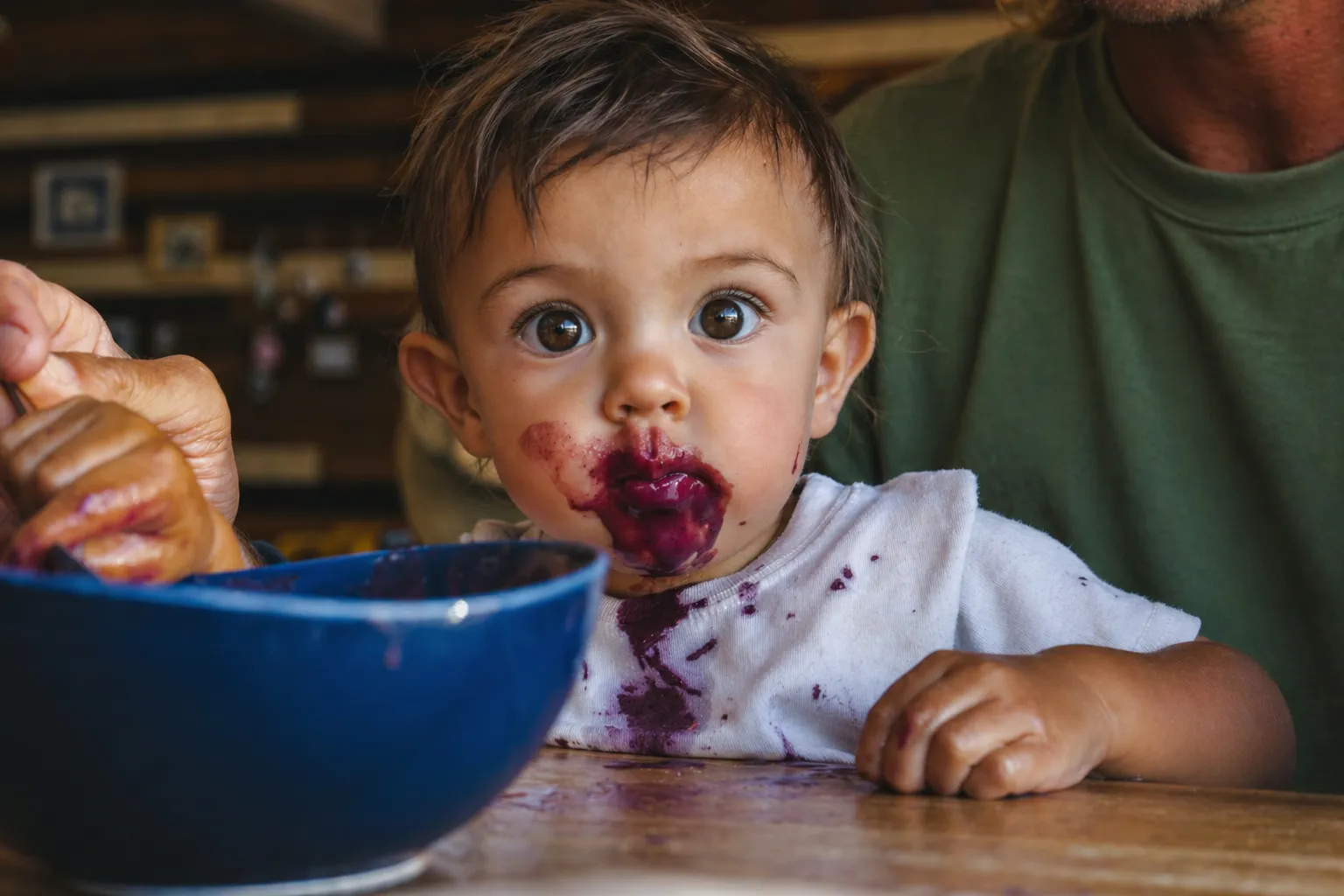
How to Introduce Allergens Safely And With Confidence
From introducing peanuts to babies to spotting reactions quickly to helping build tolerance early, here’s the 101 on food allergy prevention in babies.
How to Treat a Mild Allergic Reaction in a Baby?
Mild reactions can look scary, but staying calm helps you respond better. The first step is to stop feeding them immediately and gently wash their face, hands, or body if the food touched their skin.
Keep a close eye on them for the next few hours to make sure symptoms don't progress into anything more serious, like trouble breathing, swelling, or vomiting.
It's also a good idea to let your pediatrician know what happened, what they ate in the past 24-48 hours, even if the reaction seems mild. They can guide you on what to avoid and what to do next.
How to Treat a Severe Allergic Reaction in a Baby?
A severe allergic reaction in babies is a medical emergency and needs immediate attention!
If your baby is struggling to breathe, has swelling around the lips or eyes, is vomiting repeatedly, becoming unusually sleepy, or develops widespread hives very quickly, call emergency services or rush to the ER right away.
If your doctor has prescribed an epinephrine auto-injector, use it immediately as instructed. Don't wait to see if symptoms improve on their own.
Make sure your baby is comfortable. Keep them calm, and continue monitoring their breathing while you wait for medical assistance.
Remember, even if symptoms start getting better after treatment, your doctor still needs to see your baby, as allergic reactions can sometimes return a few hours later.
Signs Your Baby Needs Emergency Medical Help
Severe allergic reactions can escalate quickly, so it's always better to act early rather than wait and second-guess yourself later.
If you notice your baby struggling to breathe, wheezing, or rapid breathing, get medical help. Swelling of the face, lips, or throat also makes it difficult for your baby to breathe or swallow and should never be ignored.
Signs of a more serious allergic reaction include:
- widespread hives
- a weak pulse
- repeated vomiting or diarrhea
- severe tummy pain
- dizziness, confusion
- trouble swallowing
- baby becomes unusually sleepy or floppy
If something feels off, trust your instincts and seek medical help right away.
Having an Anaphylaxis Emergency Plan
Oh no! Your doctor thinks your little one may be at risk for severe allergic reactions.
While this can feel overwhelming at first, what you need to ensure your baby's safety and your sanity is an allergy and anaphylaxis emergency plan.
It helps you stay prepared, act quickly, and feel more confident if an emergency ever happens.
Anyone caring for your baby should know how to recognize the signs of a serious allergic reaction and when to use emergency medication like epinephrine. Ask your pediatrician for help. They can assist you in creating one that works and even walk family members, caregivers, or teachers through exactly what to do in an emergency.
What Happens After a Baby's Food Allergy Reaction
Once the scary part is over, most parents are left with a hundred new questions and trauma around meal times.
Was it the food? Should they have avoided eggs altogether? What if it happens again?

This is why tracking becomes incredibly helpful.
Having a detailed record of your baby's meals, symptoms, and preferences can not only help prevent severe reactions but also help you notice patterns early and have clearer conversations with your pediatrician or allergist.
For example, knowing your child hasn't tried any allergens in the past week could help their doctor figure out whether the reaction came from food or something else, like an insect bite.
With Tummi, parents can step into mealtimes feeling a little less scared of food. You can track food introductions, monitor reactions, keep an eye on symptoms over time, and feel more confident with every new meal.
Track every bite with confidence
Log first foods, allergens, and reactions so you never miss a sensitivity — and always know what's next.
Last updated
Baby Feeding Tips, Straight to Your Inbox
Feeding tips, easy recipes, and a little reassurance. Delivered to your inbox.