How to Introduce Allergens Safely And With Confidence
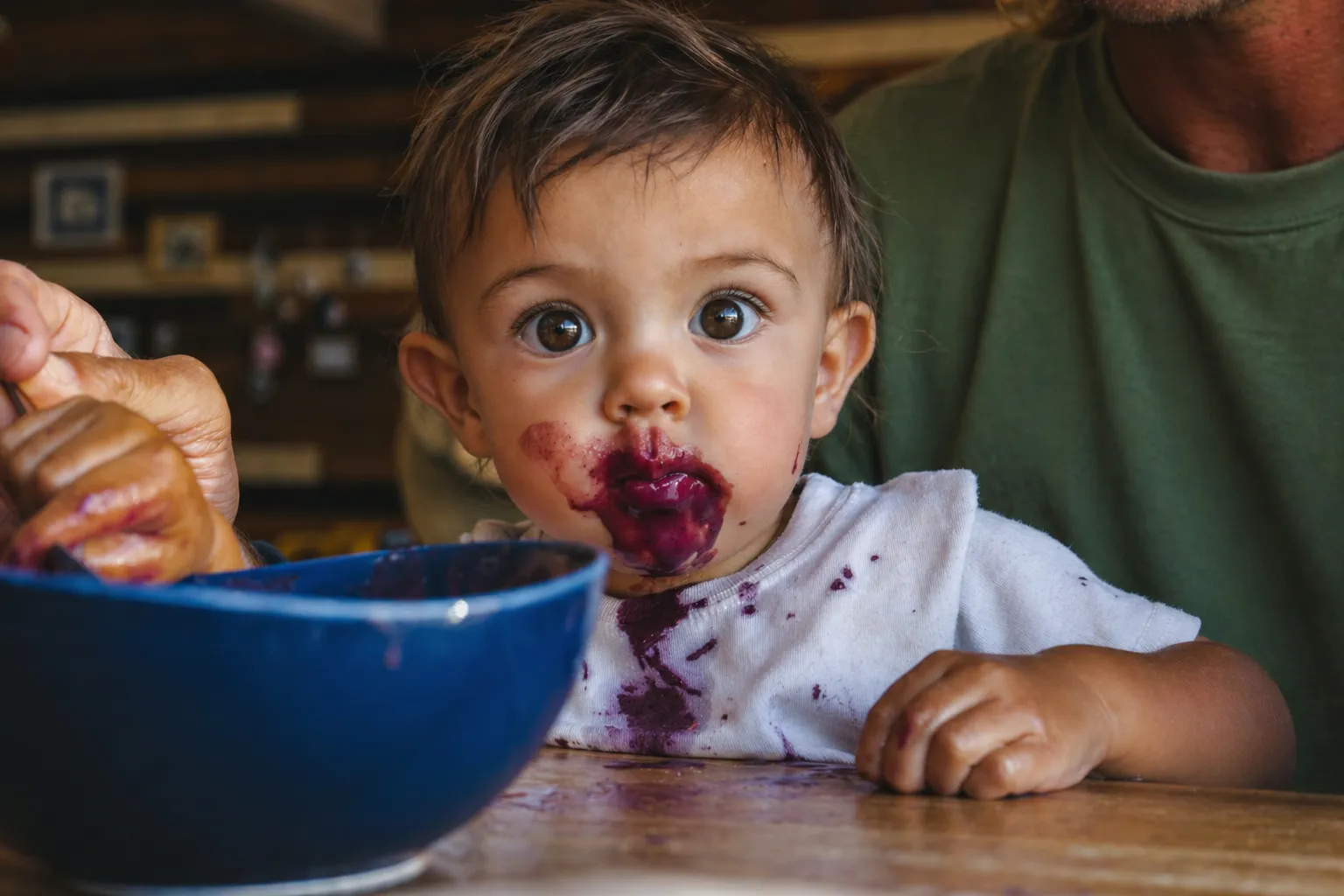

The thought of your having food allergies and introducing peanuts to babies is a scary one and rightfully so.
Around 8% of American children have food allergies, with around 2.2% alone having peanut allergies! It makes sense that we shifted from a nation of "PB&Js in every lunch box" to "peanut-free schools" in less than a decade!
And yes, "peanut-aware" policies and peanut bans have saved lives. No debate there. But when it comes to babies, and introducing peanuts to babies, the real question is, are we butter off (pun-intended) skipping potential allergens entirely?
Because while avoidance works well for toxins and, well, toxic people, allergens don't quite follow the same rules.
So, before you get stuck in another "to peanut or not to peanut" internal monologue, here's what science actually says. When it comes to common allergens like peanuts, early, consistent, and safe introduction may be more powerful than avoidance since it helps in building tolerance.
Track First, Diagnose Later
We get it! This part can feel scary. But just like scientists needed solid data to understand how allergens work, you need data to understand your baby.
That's why when it comes to food allergy prevention and diagnosis, tracking matters more than most parents realize. Knowing exactly what was introduced, when, and how your baby responded helps you spot patterns early and reduce uncertainty.
And Tummi has made simplified food allergy tracking. Plus, with everything right on your phone, logging is quick and effortless.
Track every bite with confidence
Log first foods, allergens, and reactions so you never miss a sensitivity — and always know what's next.
The Secret to Food Allergy Prevention: Early Introduction
Food allergies in the US are a growing concern. One in 13 American children has a food allergy, and at least 40% have at one point been rushed to the ER after an allergic reaction.
So, yes — skipping, avoiding, or even delaying allergens altogether actually might sound safer, but it does more harm than good.
This idea can feel counterintuitive, especially given everything parents have been told in the past.
Back in 2000, the American Academy of Pediatrics (AAP) recommendations suggested that babies at higher risk should avoid peanuts till the age of 3. By 2008, they changed the recommendation because newer research found this delay and allergen avoidance didn't help at all.
Instead, they found consistent exposure to common allergens like peanuts and milk can, in fact, reduce the probability of food allergies. A lot like the way a baby's immune system works. The same way a common cold helps train their immune system, small, controlled exposures to foods help learn what to tolerate.
So yes! Whether it's introducing peanuts to babies or offering them their first fish, staying informed beats being afraid. Early introduction, done safely and consistently, is more effective than avoidance alone (unless your pediatrician tells you otherwise).
When Should You Start Introducing Allergens?
After your baby hits the 6-month mark, start with safe solids best as purees or foods gentle on tummies that are perfect for early eaters to develop digestion.

When and How to Start Solid Foods
Are you not sure when to start solids? Learn readiness signs around 6 months, best first foods, gagging vs choking, and safe allergen introduction—step by step.
Just be sure to introduce one food at a time and ensure it's in the right texture/form.
Once your baby is used to a variety of flavors and textures, and you feel you've got the hang of things, you are ready to introduce your first allergen.
Not sure where to start? Use Tummi as your guide.
Find the perfect first food
Browse 400+ pediatrician-backed foods with prep guides and age-appropriate textures — all in one place.
Top Allergenic Foods to Know
While almost any food can trigger an allergic reaction, these nine foods are the most common allergens.
- Milk
- Peanuts
- Eggs
- Wheat
- Soy
- Tree nuts
- Fish
- Shellfish
- Sesame
But not all allergens play by the same rules.
Some can cause stronger reactions, while some like milk, eggs, soy, and wheat are often milder and, in many cases, can even be outgrown.
But here's the encouraging part: food allergies don't always "stick" for life. As kids grow, their immune systems change too, and many children outgrow certain allergies over time.

Do Food Allergies Go Away in Babies?
Do food allergies go away in babies? Explore the 9 most common allergen foods, the difference between temporary and lifelong allergies, and how early feeding practices may help reduce allergy risk.
Sometimes, it's not always a forever situation, just a chapter.
How to Introduce Allergens (Step-by-Step)
Here are 6 steps to help you introduce allergens:
Step 1: Pick a good day and time
Yes, the day you decide to introduce an allergen matters more than you think. Not only do you need to choose a day where you can actually be present and observe your baby, but it also needs to be one when your baby's feeling good too.
So yes, daycare drop-off, a work deadline, or a 'now-is-not-a-good-time' day is the worst day for their first lick of peanut butter! Plus, ensure your kid is not sick, teething, or having one of those days.
You want a clean baseline so you can clearly tell the difference between a reaction and everything else babies normally do.
Pro tip: Breakfast and daytime meals are the best times. Never introduce an allergen for dinner.
Step 2: Start with a lower-risk allergen
Make sure you start with the safest form of a low-risk allergen like mayonnaise and understand what a mild or serious reaction you need to watch for. This will keep you sane and prevent any false alarms.
Step 3: Offer the allergen in a safe, controlled form
Baby steps before you run with it. That's why it's important to start with a small quantity mixed with a safe food (like puree or yogurt, depending on age and allergen type) or offer the allergen and follow up with your baby's regular meal. Your goal here is exposure, not a full serving.
Step 4: Clean Up
Once done, wipe your baby's hands and face and clean the eating area/utensils after the meal. While this may feel a little extra, it's a simple way to reduce lingering exposure and avoid accidental contact later.
Step 5: Chart your Progress
Log your food and reaction, and simply spend some time playing and observing your baby. (Aren't you glad you picked a distraction-free day?)
Most reactions show up quickly. If anything seems off, call your pediatrician.
Step 6: No reaction? Repeat the Meal
No reaction? Awesome! But don't treat it like a one-and-done win yet.
Instead, add it to your baby's menu and offer it on repeat for the next few days.
This is because consistent exposure is what actually helps build tolerance and ensures food allergy prevention. And one big mistake parents often make is stopping too soon or offering it inconsistently.
What If There's a Reaction?
If you notice a rash or any unusual reaction, stay calm and call your pediatrician. Be ready to share exactly what your baby ate, how much, and what symptoms you're seeing. (Having your log handy makes this part a whole lot easier.)
If symptoms feel severe (trouble breathing, swelling, or vomiting), do not hesitate to seek immediate medical help.
Does my Child have an Allergy?
Think you've found the culprit?
If your baby's been reacting and you've identified the suspect, pat yourself on the back, but skip the self-diagnosis.
Instead, talk to your pediatrician or an allergist. They'll take a detailed medical history, do a physical exam, and look at your child's overall health, eating patterns, and symptoms to determine whether a food allergy is actually at play.
This is where Tummi will step in to help! Your baby's meal logs, reactions, and patterns will give the docs clear patterns to work with.
Track every bite with confidence
Log first foods, allergens, and reactions so you never miss a sensitivity — and always know what's next.
Last updated