Do Food Allergies Go Away in Babies?
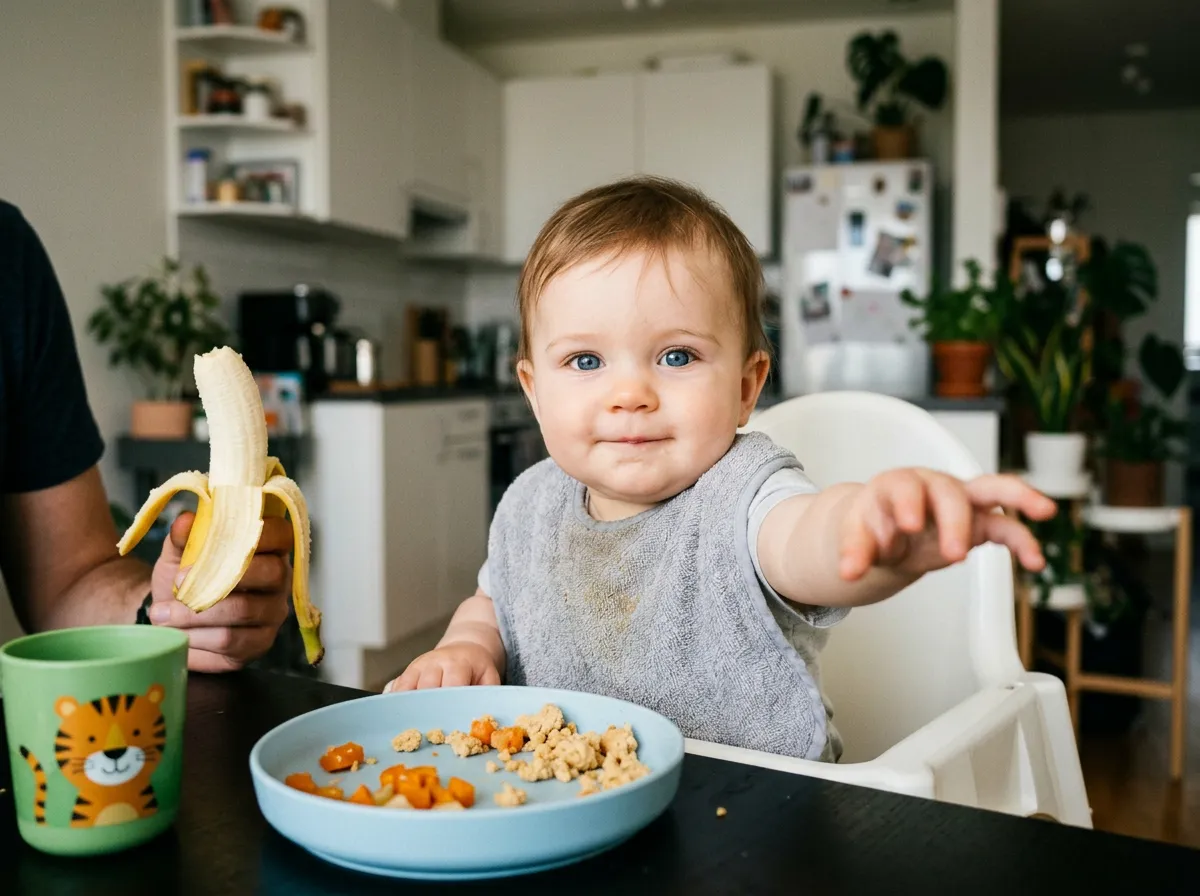

Starting solids is one of the most exciting milestones in your baby’s first year. There are new foods to try, exciting textures to explore, and stubborn stains to create so Mommy can keep busy too.
But all this excitement comes with a wave of anxiety. One vomit, a sudden rash, or a diarrhea episode can quickly send even the most confident parent spiraling into self-doubt and googling ‘Is my baby allergic to egg?’ and ‘Do food allergies go away in babies?’
This is because when we hear the words "food allergy," our minds jump straight to EpiPens, throat tightening, hives and ER trips. But food allergies in babies are a bit complex.
One random reaction could be anything.
The same food followed by the same reaction? That’s a pattern.
That’s why understanding a potential allergen isn’t just about one dramatic reaction; it’s about observing how your baby responds over time. And the only reliable way to identify an allergy is through safe, gradual introduction paired with careful, consistent observation.
Without a clear way to track patterns, it can feel like guesswork. This is exactly where Tummi helps. Instead of relying on memory and worrying endlessly, Tummi lets parents log new foods, track symptoms, and spot patterns over time, quickly letting them separate normal reactions from real red flags with far more confidence.
Track every bite with confidence
Log first foods, allergens, and reactions so you never miss a sensitivity — and always know what's next.
Food Allergies in Babies
Food reactions in babies are common during weaning, but most are not true allergies.
When starting solids, it can be hard to tell what you’re actually seeing: Is it an allergy, a harmless rash, a bit of spit-up, or just coincidence?
Was that reaction normal or should this food be banned forever?
The truth is, food allergies in babies are more common than many parents expect. According to FARE, nearly 8% of children under the age of 5 in the US have some form of food allergy.
Fortunately, food allergies are most commonly identified when babies begin solid foods around 6 months of age. What’s even better is that they’re manageable when you know what to look for.
What Is a Food Allergy in Babies?
A food allergy happens when your baby’s immune system mistakenly identifies a food protein like milk or egg protein as harmful and pulls the internal fire alarm and triggers a reaction.
In some babies, symptoms appear within minutes of eating the trigger food. In others, the reaction is delayed and can take a few hours to show up, which is why it can be so confusing to figure out what caused it.
Why Is My Baby Having an Allergic Reaction?
Most food allergies in babies are what’s called immunoglobulin E (IgE)-mediated food allergies. This is when a baby’s immune system produces IgE antibodies when it’s introduced to a specific food. These antibodies then release chemicals like histamine, which in turn wreak havoc and cause symptoms such as hives, swelling, vomiting, or in more severe cases, breathing difficulties.
But not all reactions look immediate or obvious.
Some babies experience non-IgE-mediated food allergies, including a condition called Food Protein-Induced Enterocolitis Syndrome (FPIES), which is triggered by foods like cow milk, soy and grains including rice, barley, and oats. Unlike IgE allergies, these reactions are delayed and harder to spot.
Because symptoms appear hours later, often as repeated vomiting, lethargy, or diarrhea, FPIES is frequently misdiagnosed or mistaken for a stomach bug or one-off reaction.
Baby Poop After Starting Solids: What’s Normal
Baby poop after starting solids can change in color, smell, consistency and frequency. Learn what’s normal, what’s not, and how to avoid panic by tracking patterns.
What Are The Major Food Allergens I Need To Be Careful About?
Before you cancel solids all together, or ban a food group, remember, not all foods are out to get your baby.
In reality, only a small group of foods, nine to be exact, are responsible for most allergic reactions in children. In the US, the FDA identifies these nine major food allergens and found that they account for nearly 90% of all food allergies in children.
What Foods Are Most Likely To Cause Allergies In Babies?
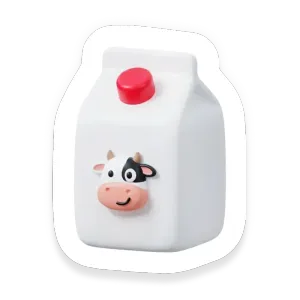
1. Milk (Dairy)
2. Eggs
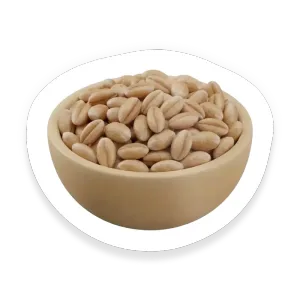
3. Wheat (Gluten)
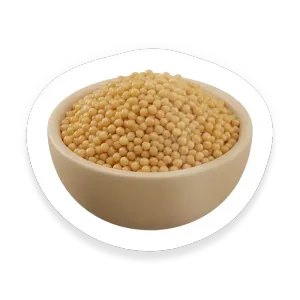
4. Soybeans (Soy)
5. Tree Nuts
6. Peanuts
7. Fish
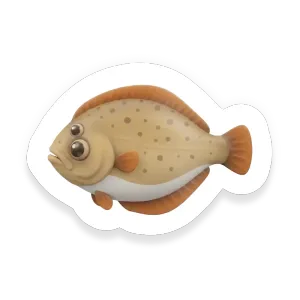
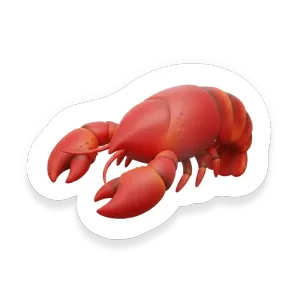
8. Shellfish
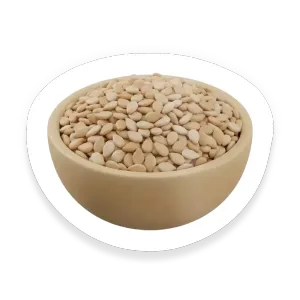
9. Sesame
Eggs, milk, and peanuts are the usual suspects when it comes to baby food allergies. But peanuts, tree nuts, fish, and shellfish are more dramatic and make their presence felt with more severe reactions.
Do Food Allergies Go Away in Babies?
Yes… and in some cases, no.
The good news is that as your baby’s immune system matures, it becomes less reactive and starts to “get over” certain foods. Over time, it can build tolerance, especially to common allergens like milk, eggs, wheat, and soy, which are often outgrown during early childhood.
Unfortunately, some food allergies do not go away. Allergens like peanuts, tree nuts, fish, and shellfish are a lot less forgiving and stick around into later childhood and even adulthood often turning into a person’s lifelong nemeses.
| Common Food Allergies Babies Often Outgrow | Food Allergies That Prefer to Stick Around …Forever |
| Milk | Peanuts |
| Eggs | Tree nuts |
| Soy | Fish |
| Wheat | Shellfish |
Do I Avoid Allergens Completely?
‘Let’s just avoid all the “high-risk” foods altogether?’
Nope! Not only is this outdated advice terrible, it can actually cause more harm than good.
It’s basically like bubble-wrapping your kid in hopes of keeping them safe. Yes, introducing allergenic foods can feel like a high-stakes experiment, but experts and pediatricians find that early exposure, done right, actually reduces the risk of allergies.
Bottom line: early, controlled introduction**,** without delaying or dodging them (unless your pediatrician tells you otherwise).
Can I Help My Child Outgrow an Allergy?
Yes. While food allergies can improve over time, early introduction of allergens (when safe and guided by your pediatrician) may support tolerance development.
For children who already have diagnosed allergies, there are also FDA-approved treatments that can help reduce the risk and severity of reactions.
Omalizumab is an injection for children over 1 year that can lower the risk of severe reactions from accidental exposure, though allergen foods still must be strictly avoided. Palforzia is an oral immunotherapy for children aged 4–17 with peanut allergies that helps reduce reaction risk. However, it does not allow peanut consumption.
NOTE: These options should always be discussed with a pediatrician or allergist to determine what’s appropriate for your child.
Why Tracking Food Reactions Matters
Between sleep deprivation, diaper math, and full-on "mom brain,” remembering what your baby ate, even a few hours ago, is harder than it sounds. Expecting yourself to recall exact meals, portions, and timing without help is just…unrealistic.
But this information is gold.
It helps you pinpoint real triggers, spot delayed or subtle symptoms that show up hours later, and connect dots your tired brain would otherwise miss. A simple log on Tummi, what your baby ate and what happened after becomes the difference between “do you think it’s the bread?” and “Oh, it could be wheat. Let’s discuss this with his doc tomorrow.”
Find the perfect first food
Browse 400+ foods with prep guides, allergen notes, and age-appropriate textures — all in one place.
Last updated
Baby Feeding Tips, Straight to Your Inbox
Feeding tips, easy recipes, and a little reassurance. Delivered to your inbox.