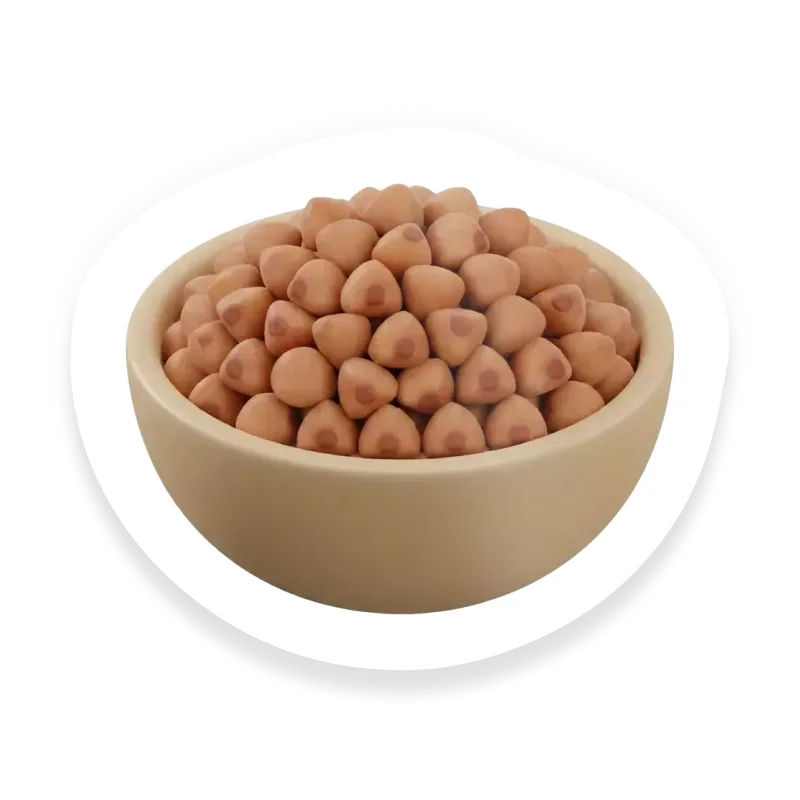
Buckwheat
Pseudograin
Is Buckwheat Safe for Babies?
Yes, babies can eat cooked buckwheat as early as 6 months, prepared in an age-appropriate, soft, and manageable form.
Yes, but there are some things to know
At a Glance
Cooked buckwheat is gentle on the stomach because it is high in fiber and contains resistant starch, which feed helpful gut bacteria. It also supplies rutin and other plant compounds that reduce inflammation and support regular bowel movements.
How Do You Serve Buckwheat?
- 1Cook buckwheat groats until very soft, then blend or mash into a smooth porridge; add breastmilk, formula, or water to reach a spoonable consistency.
- 2Use buckwheat flour in small pancakes or quick breads—stir in mashed fruit or finely grated vegetables for natural flavor and extra nutrients.
- 3For soba, cook fully until soft, drain, then cut into short, bite-sized pieces to reduce gag risk; ensure noodles are well-cooked and cooled before serving.
- 4If grains are hard to pick up, mash slightly or mix with a small amount of broth, pureed vegetable, or yogurt so the mixture holds together for easier self-feeding.
- 5Introduce buckwheat and any new mix-ins one at a time and watch for allergic reactions for 2–3 days.
Is Buckwheat a Common Allergen?
Buckwheat is a naturally gluten‑free pseudocereal but can be a true food allergen and may cause severe reactions (including anaphylaxis); it is a common allergen in parts of Asia. Parents should check ingredient labels and ask about cross‑contamination when buying 'gluten‑free' products or eating out. If your child has known or suspected buckwheat allergy, avoid products containing buckwheat, inform food service staff, and keep prescribed emergency medication (e.g., epinephrine) accessible.
What Nutrients Does Buckwheat Have?
Buckwheat is a nutrient-dense pseudo‑grain high in minerals that matter for babies — notably zinc, magnesium, manganese, copper, modest non‑heme iron, and selenium — and provides a complete plant protein (all essential amino acids), fiber, and antioxidant flavonoids. These nutrients support growth, immune function, brain development, and healthy digestion, making buckwheat a valuable, gluten‑free option to include when starting solids. Offer in moderate portions as part of a varied diet: excessive servings could supply too much fiber (reducing calorie intake) and phytates that may modestly limit mineral absorption, so continue to include varied iron and protein sources and monitor tolerance.
Is Buckwheat a Choking Hazard?
Very Low Choking Risk
Cooked buckwheat groats generally pose a low choking risk for babies, but loose, dry grains can scatter in the mouth and provoke gagging or coughing. Stay within arm’s reach and closely watch your baby while they eat, and pause the offering if they’re struggling to manage the food. As with any food, knowing basic choking first aid and how to respond to gagging or coughing is important.
Have More Questions?
Yes. Buckwheat can be stored in an airtight container in a cool, dry place for several months, and it can also be kept in the refrigerator or freezer to extend its shelf life.
Yes. Buckwheat purees can be prepared in advance and frozen in small portions, making it convenient for busy parents to serve fresh food regularly.
Yes. Organic buckwheat is available and may be preferred by parents seeking organic options, though conventional buckwheat is also nutritious and safe for babies.
Yes. Combining buckwheat with fruits or vegetables can create nutritious, varied meals for your baby, offering different flavors and textures for development.
Portion sizes vary depending on your baby’s age and appetite, but starting with 1-2 tablespoons of cooked buckwheat and adjusting as needed is typical for a young child.
Is Buckwheat safe for your baby?
Get personalized guidance on introducing Buckwheat — with prep tips, allergen alerts, and age-specific serving ideas.
Sources
- Buckwheat allergy: a potential problem in 21st century Britain pmc.ncbi.nlm.nih.gov
- Oral Allergy Syndrome: An Update for Stomatologists onlinelibrary.wiley.com
What Other Pseudograin Can Babies Eat?
See all →
Backed by Science
Data you can trust.
Every food, guideline, and recommendation in Tummi is sourced from leading health institutions and peer-reviewed research.
 Centers for Disease Control and Prevention
Developmental milestones, nutrition guidelines, and allergen introduction timelines.
 American Academy of Pediatrics
Evidence-based feeding recommendations from the leading pediatric authority.
 National Institutes of Health
Peer-reviewed research on infant nutrition, allergies, and food safety.