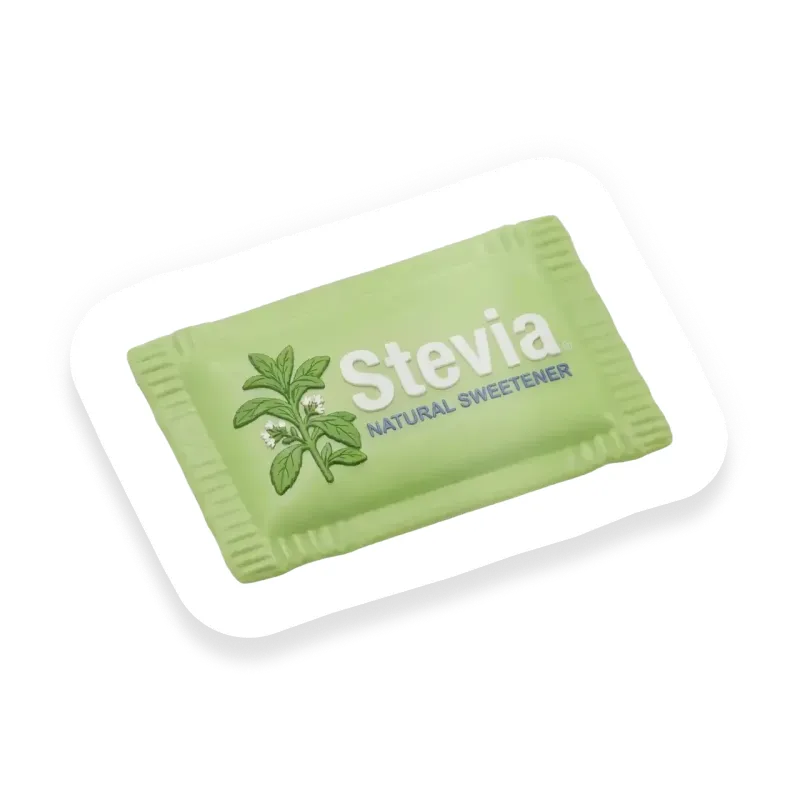
Stevia
Sweetener
Is Stevia Safe for Babies?
No, it is recommended to wait until after 24 months to introduce stevia, due to insufficient research on long-term effects and potential health concerns.
Yes, but there are some things to know
How Do You Serve Stevia?
- 1Avoid giving stevia to infants during this period; safety in babies has not been well studied, so choose whole-food alternatives instead.
- 2Offer naturally sweet, fiber-rich whole fruits (mashed banana, pureed berries) to add sweetness while providing vitamins and fiber.
- 3Prepare fruits by mashing or pureeing to an age-appropriate texture and avoid added sugars or sweeteners.
- 4Start with small amounts, offer alongside savory foods to encourage varied tastes, and watch for any digestive reactions or allergies.
Is Stevia a Common Allergen?
Pure stevia is not a common food allergen and does not contain dairy, egg, peanut, tree nuts, soy, wheat, shellfish, fish, or sesame. Rare allergic reactions have been reported; people with ragweed or related plant (Asteraceae) allergies may be more likely to react. Commercial stevia products can contain additives (erythritol, maltodextrin, natural flavors), so always read labels for added ingredients. If your child has severe pollen or multiple allergies, check with your pediatrician before use.
What Nutrients Does Stevia Have?
Nutrient Snapshot: Purified stevia (steviol glycosides) used in foods is essentially nonnutritive—noncaloric and provides negligible protein, fat, vitamins, or iron, so it offers no meaningful growth nutrients for babies. Whole stevia leaves contain trace minerals, but the purified extracts approved for food use do not deliver those nutrients. Parents should know there’s no nutritional benefit to using stevia for infants and toddlers, and overuse could expose children to excess steviol glycosides (ADI = 0–4 mg/kg body weight/day) and encourage a preference for sweet tastes over nutrient-dense foods; choose naturally sweet, fiber‑rich fruits instead.
Is Stevia a Choking Hazard?
Very Low Choking Risk
Stevia itself is not a common choking hazard, but foods and products that contain it can be—some forms (e.g., sticky or small pieces) may pose a risk. Always create a safe eating environment and stay within an arm’s reach of your baby during meals so you can respond quickly if gagging or choking occurs. If you’re unsure or worried, consult trusted resources on gagging and choking or speak with your pediatrician.
Have More Questions?
It depends. Due to limited research on long-term effects, it's best to wait until after 24 months before introducing stevia to your baby, and use natural fruit sweeteners instead.
It depends. Although purified stevia extract is generally recognized as safe in small amounts for children over 12 months, waiting until after age 2 is recommended due to limited data and potential impacts on taste development.
It depends. The stevia plant is a natural herb with a long history of use, but the processed extracts are concentrated and may have unknown effects on young children, so consult your pediatrician before introducing.
It depends. Stevia itself is not a choking hazard, but foods containing it can pose risks if not prepared or served safely, so always supervise your baby during meals.
It depends. Allergic reactions to stevia are rare, but some individuals with pollen allergies or Oral Allergy Syndrome may experience hypersensitivity, so observe your child after introduction.
Is Stevia safe for your baby?
Get personalized guidance on introducing Stevia — with prep tips, allergen alerts, and age-specific serving ideas.
Sources
- Sugar in Infants, Children and Adolescents: A Position Paper of the European Society for Paediatric Gastroenterology, Hepatology and Nutrition Committee on Nutrition doi.org
- Additional Information about High-Intensity Sweeteners Permitted for Use in Food in the United States (FDA, 2018) fda.gov
- A double-blind placebo-controlled study of the effectiveness and tolerability of oral stevioside in human hypertension (Chan et al., 2000) doi.org
- Efficacy and tolerability of oral stevioside in patients with mild essential hypertension: a two-year, randomized, placebo-controlled study (Hsieh et al., 2003) doi.org
- Effects of Stevia Extract on Postprandial Glucose Response, Satiety and Energy Intake (Farhat et al., 2019) doi.org
- Anaphylaxis by stevioside in infants with atopic eczema (Kimata, 2007) doi.org
- Steviol glycoside safety: Are highly purified steviol glycoside sweeteners food allergens? (Urban et al., 2015) doi.org
- Ragweed Pollen Allergy (Asthma and Allergy Foundation of America, 2019) aafa.org
What Other Sweetener Can Babies Eat?
See all →
Backed by Science
Data you can trust.
Every food, guideline, and recommendation in Tummi is sourced from leading health institutions and peer-reviewed research.
 Centers for Disease Control and Prevention
Developmental milestones, nutrition guidelines, and allergen introduction timelines.
 American Academy of Pediatrics
Evidence-based feeding recommendations from the leading pediatric authority.
 National Institutes of Health
Peer-reviewed research on infant nutrition, allergies, and food safety.