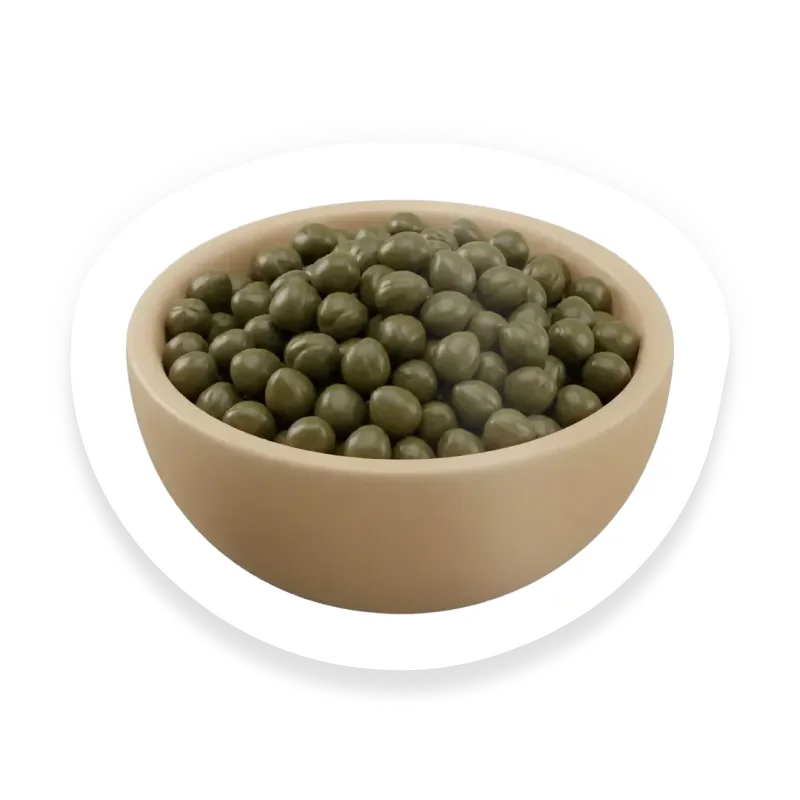
Capers
Flower
Is Capers Safe for Babies?
No, babies can have capers starting around 6 months, but only in small amounts due to their high sodium content.
Yes, but there are some things to know
How Do You Serve Capers?
- 1Rinse capers under cold water and pat dry, then finely chop or gently mash to eliminate whole pieces that could pose a choking risk.
- 2If they taste very salty, soak chopped capers in water for 3–5 minutes and pat dry. Taste before serving to check salt level.
- 3Fold mashed or chopped capers into sauces, dressings, or mashed foods so the flavor is present without any whole pieces.
- 4Use a small amount (start with a pinch) because capers are concentrated and salty; offer water or milk afterward if the baby seems thirsty.
Is Capers a Common Allergen?
Capers are not a common major allergen (they don’t inherently contain milk, eggs, peanuts, tree nuts, soy, fish, shellfish, sesame, or gluten). However, jarred/pickled capers are often packed in vinegar or brine — check labels because preservatives or processing can introduce sulfites or cross‑contamination. Rare contact dermatitis or cross‑reactivity with mustard‑family compounds has been reported, so exercise caution if there’s a known mustard/plant family allergy.
What Nutrients Does Capers Have?
Capers provide small amounts of fiber and vitamin K plus bioactive flavonoids and phenolic acids that offer antioxidant and anti-inflammatory benefits and can support digestion and blood‑clotting processes. Because they’re usually used sparingly, capers can add flavor and micronutrients to shared family foods, but they are high in sodium—so serve chopped or blended in moderation and avoid frequent or large portions for infants, especially under 12 months. Capers are not a common allergen, but introduce them cautiously like any new food.
Is Capers a Choking Hazard?
High Choking Risk
Capers are small, round, and can be quite firm, which raises their choking risk for infants and young toddlers. Stay within arm’s reach and keep baby seated upright while eating, and be alert for choking signs. Know basic infant choking first aid so you can act quickly if needed.
Have More Questions?
It depends. Capers can be introduced in small, cooked, and finely chopped amounts once your baby is ready for solids around 6 months, but they should be used sparingly due to their high sodium content.
It depends. Capers contain antioxidants and vitamins that can support health, but they are usually used in small quantities, so their nutritional impact on babies is minimal.
No. Capers are not a common allergen, but allergic reactions are possible, so introduce them gradually and watch for signs of allergy.
Yes. Due to their small size and firmness, capers can pose a choking risk if not prepared properly; serve them in age-appropriate, soft forms.
It depends. While capers are high in salt, offering them in small, infrequent amounts as part of a balanced diet is generally safe for babies.
Is Capers safe for your baby?
Get personalized guidance on introducing Capers — with prep tips, allergen alerts, and age-specific serving ideas.
Sources
- Caper (Capparis spinosa L.): An Updated Review on Its Phytochemistry, Nutritional Value, Traditional Uses, and Therapeutic Potential frontiersin.org
- Does salt intake in the first two years of life affect the development of cardiovascular disorders in adulthood? doi.org
- Sodium: Too Much of a Good Thing poison.org
- Infants' and Children's Salt Taste Perception and Liking: A Review mdpi.com
- Allergic contact dermatitis from Capparis spinosa L. applied as wet compresses doi.org
What Other Flower Can Babies Eat?
See all →

Backed by Science
Data you can trust.
Every food, guideline, and recommendation in Tummi is sourced from leading health institutions and peer-reviewed research.
 Centers for Disease Control and Prevention
Developmental milestones, nutrition guidelines, and allergen introduction timelines.
 American Academy of Pediatrics
Evidence-based feeding recommendations from the leading pediatric authority.
 National Institutes of Health
Peer-reviewed research on infant nutrition, allergies, and food safety.