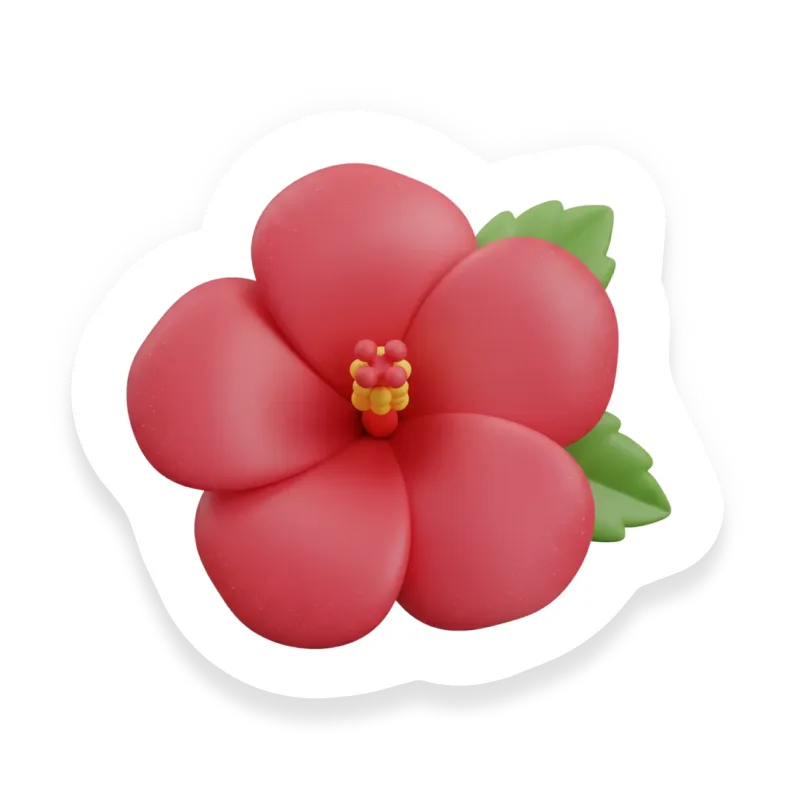
Hibiscus (Sorrel)
Flower
Is Hibiscus (Sorrel) Safe for Babies?
Yes, hibiscus can be introduced as part of a solid food meal around 6 months of age, but avoid giving hibiscus drinks to babies under 12 months.
Yes, but there are some things to know
At a Glance
Hibiscus-sorrel is high in fiber, so it adds gentle bulk to stools. Its natural plant polyphenols are transformed by gut bacteria and help support healthier digestion.
How Do You Serve Hibiscus (Sorrel)?
- 1Rehydrate dried hibiscus by simmering petals in a small amount of water until soft, then drain and finely chop or purée to remove any tough or stringy bits.
- 2Fold a small spoonful into mashed vegetables, yogurt, porridge, or cooked grains and proteins so the flavor and color blend without changing texture.
- 3Remove whole petals and seeds and serve only finely chopped or puréed to minimize choking risk; introduce in very small amounts and watch closely for any signs of sensitivity.
- 4Do not offer hibiscus as a concentrated drink—cook it into foods and increase quantity slowly if no reactions occur.
Is Hibiscus (Sorrel) a Common Allergen?
Hibiscus (sorrel) is not a common food allergen and is generally safe for most children, but rare allergic reactions and case reports exist. People with pollen/ragweed sensitivities can sometimes experience oral allergy symptoms (itching/swelling) from related plant foods, so watch for immediate mouth or throat symptoms. If your child has a history of severe allergies or anaphylaxis, introduce hibiscus cautiously and consult your pediatrician or allergist before offering it. Stop use and seek medical care if any hives, swelling, breathing difficulty, or other concerning symptoms occur.
What Nutrients Does Hibiscus (Sorrel) Have?
Hibiscus calyces provide dietary fiber, calcium for bone growth, and a small amount of iron alongside vitamin C—which together support iron absorption and help prevent anemia. They also contain antioxidants (anthocyanins) that may offer anti‑inflammatory benefits. Avoid giving hibiscus drinks to infants under 12 months (they can displace breastmilk/formula); introduce small amounts of rehydrated, finely chopped flower to solids initially because large quantities can act as a mild laxative or cause tannin‑related mouth sensitivity.
Is Hibiscus (Sorrel) a Choking Hazard?
Very Low Choking Risk
Whole hibiscus flowers are a choking hazard for babies because intact petals can be difficult to chew and may lodge in the throat. Closely supervise babies during meals and stay within arm’s reach so you can intervene quickly if gagging or choking occurs. Be especially cautious with dried or intact pieces, which pose a higher choking risk.
Have More Questions?
Yes, hibiscus can be introduced to babies as part of a solid food meal once they are ready for solids, typically around 6 months old.
Dried hibiscus flowers originate from regions in Africa, South Asia, and the tropics of the Americas, thriving in sunny, rainy climates.
Yes, when served in solid foods, hibiscus offers fiber, calcium, iron, and vitamin C that can benefit a baby's growth and digestion.
Yes, whole hibiscus flowers can pose a choking hazard if not finely chopped or processed; always prepare it appropriately for babies.
No, hibiscus allergies are rare, but individuals sensitive to tannins, hollyhock, or ragweed may experience reactions; always test cautiously.
Is Hibiscus (Sorrel) safe for your baby?
Get personalized guidance on introducing Hibiscus (Sorrel) — with prep tips, allergen alerts, and age-specific serving ideas.
Sources
- Riaz, G., & Chopra, R. (2018). A review on phytochemistry and therapeutic uses of Hibiscus sabdariffa L. Biomedicine & Pharmacotherapy, 102, 575–586. doi.org
- Kashyap, R. R., & Kashyap, R. S. (2015). Oral allergy syndrome: an update for stomatologists. Journal of Allergy. doi.org
- Zawar, V., Daga, S., Pawar, M., & Kumavat, S. (2018). “Chaturthy fingers” caused by Hibiscus rosasinensis. Contact Dermatitis, 78(2), 161–162. doi.org
- U.S. Food and Drug Administration. (2018). Voluntary recall notice of El Guapo Jamaica hibiscus flower pouches due to unlabeled peanut allergen. fda.gov
- Teatulia. What is hibiscus? teatulia.com
What Other Flower Can Babies Eat?
See all →
Backed by Science
Data you can trust.
Every food, guideline, and recommendation in Tummi is sourced from leading health institutions and peer-reviewed research.
 Centers for Disease Control and Prevention
Developmental milestones, nutrition guidelines, and allergen introduction timelines.
 American Academy of Pediatrics
Evidence-based feeding recommendations from the leading pediatric authority.
 National Institutes of Health
Peer-reviewed research on infant nutrition, allergies, and food safety.