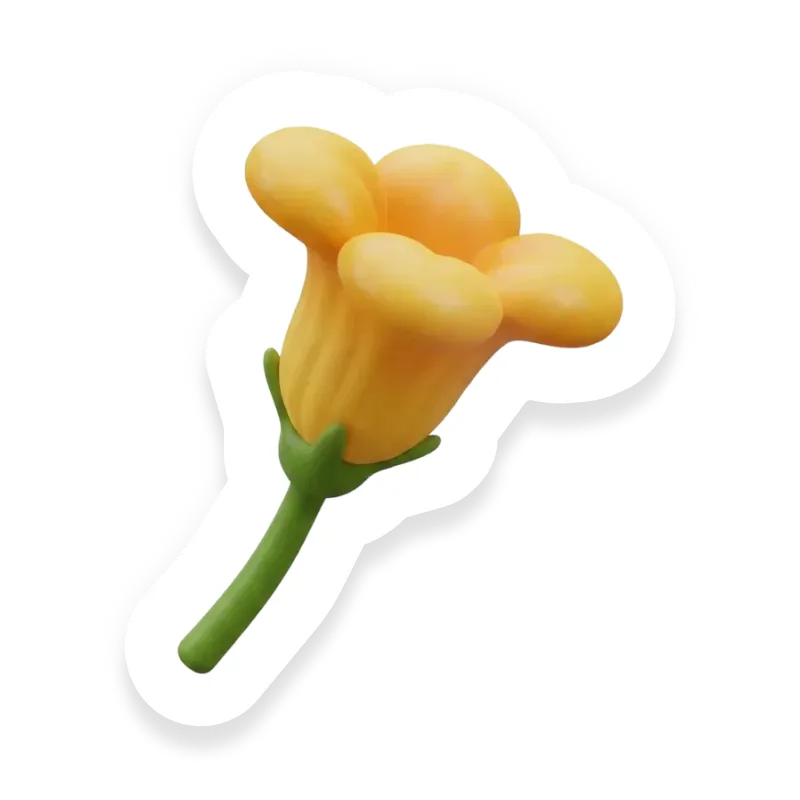
Squash Blossoms
Flower
Is Squash Blossoms Safe for Babies?
Yes, squash blossoms can be introduced around 6 months old, ensuring they are prepared safely to avoid choking hazards.
Yes, but there are some things to know
At a Glance
Squash blossoms are low in calories yet rich in vitamins A and C and contain small amounts of fiber and minerals that help soften stool. Their antioxidants and fiber feed beneficial gut microbes and support regular digestion.
How Do You Serve Squash Blossoms?
- 1Finely chop squash blossoms into very small pieces so they blend smoothly into soft foods and reduce choking risk.
- 2Fold them into scoopable foods such as scrambled eggs, mashed vegetables, grits, yogurt, or soft cheeses—mix well so pieces are evenly distributed.
- 3If the raw texture seems slippery or stringy, gently cook the blossoms (sauté, steam, or simmer) until soft before combining.
- 4Spread a thin layer on a teething rusk or rice cake or mix into soft cheese for easy scooping, and keep pieces very small to minimize choking.
- 5Always supervise meals within arm’s reach and introduce squash blossoms in small amounts to watch for any reactions.
Is Squash Blossoms a Common Allergen?
Squash blossoms themselves are not a common allergen, but typical preparations often contain dairy (cheeses/ricotta), eggs, and wheat-based batter (gluten). Fried or stuffed versions may also be exposed to cross-contact (shared oil or kitchen surfaces). Always check the recipe or ask the cook/restaurant about fillings, batter ingredients, and cooking methods before serving to someone with allergies.
What Nutrients Does Squash Blossoms Have?
Squash blossoms are low-calorie edible flowers that provide modest amounts of folate, small amounts of protein, and trace minerals (such as iron, potassium, and magnesium). The folate supports neurological development in infants, and the added protein and minerals can contribute to overall growth when blossoms are included as part of nutrient-dense meals. Because they’re low in calories and overall nutrients, use them as a complementary ingredient rather than a primary food; avoid excessive intake of canned blossoms (they can be high in sodium) and introduce small amounts initially since allergies are rare but possible.
Is Squash Blossoms a Choking Hazard?
Very Low Choking Risk
Squash blossoms can be a choking hazard when left whole because their petal structure can be difficult for young babies to chew. Parents should stay within arm’s reach and closely supervise meals, watching for gagging or signs of airway difficulty. If you're unsure about the texture, introduce them cautiously and observe your child's chewing and swallowing before offering again.
Have More Questions?
Yes. Squash blossoms can be introduced to babies around 6 months old as part of a varied diet, but ensure they are cooked and chopped into small, manageable pieces.
Yes. Squash blossoms are edible flowers that do not contain common allergens, but it’s best to offer in small amounts initially and watch for reactions.
It depends. Fresh squash blossoms are ideal, but you can also use canned ones if rinsed thoroughly to reduce sodium. Always serve in age-appropriate, manageable pieces.
Yes. They are a delicate ingredient, so for babies, puree or finely chop squash blossoms before offering, ensuring they are tender and well-cooked.
It depends. While they are nutritious, squash blossoms should be part of a balanced meal with other nutrient-dense foods, not the sole source of nutrition.
Is Squash Blossoms safe for your baby?
Get personalized guidance on introducing Squash Blossoms — with prep tips, allergen alerts, and age-specific serving ideas.
Sources
- Effect of water rinsing on sodium content of selected foods pubmed.ncbi.nlm.nih.gov
- Allergy to pumpkin and cross-reactivity to other Cucurbitaceae fruits pubmed.ncbi.nlm.nih.gov
What Other Flower Can Babies Eat?
See all →
Backed by Science
Data you can trust.
Every food, guideline, and recommendation in Tummi is sourced from leading health institutions and peer-reviewed research.
 Centers for Disease Control and Prevention
Developmental milestones, nutrition guidelines, and allergen introduction timelines.
 American Academy of Pediatrics
Evidence-based feeding recommendations from the leading pediatric authority.
 National Institutes of Health
Peer-reviewed research on infant nutrition, allergies, and food safety.