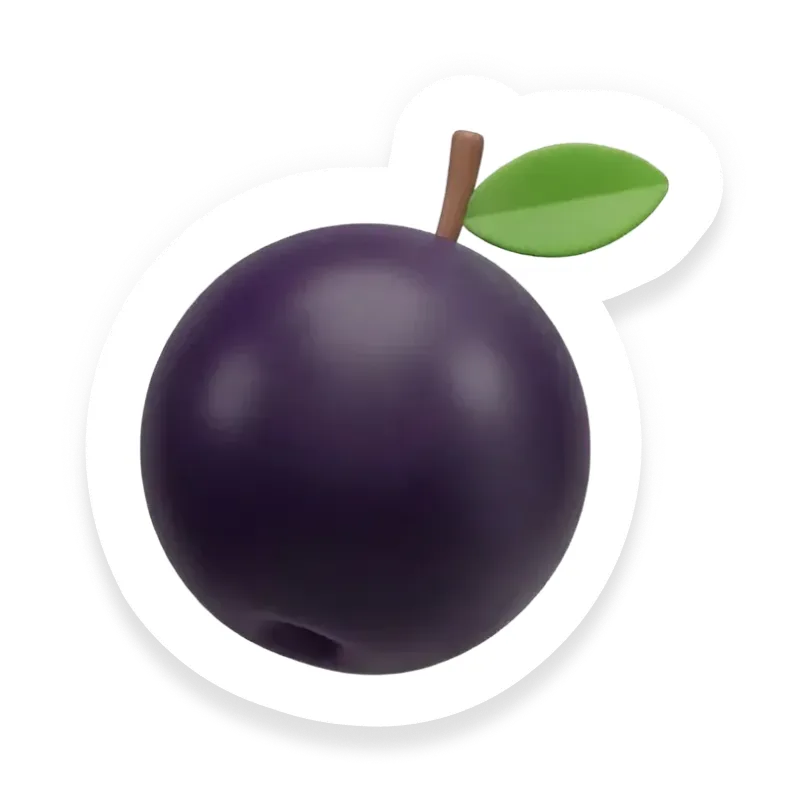
Black Elderberry
Fruit
Is Black Elderberry Safe for Babies?
Yes, cooked elderberries can be introduced around 6 months of age, ensuring they are thoroughly cooked to remove toxins.
Yes, but there are some things to know
At a Glance
Elderberries can help digestion because they are high in soluble fiber content (pectin), which adds gentle bulk to stools. They also contain antioxidant anthocyanin compounds that help protect colon cells and support a healthy gut.
How Do You Serve Black Elderberry?
- 1Bring ripe elderberries to a vigorous boil, then reduce heat and simmer until very soft — about 45–60 minutes depending on quantity; add water as needed so berries don’t scorch.
- 2Mash or blend the cooked berries until completely smooth. Push the puree through a fine sieve to remove skins, seeds, and any residual solids for a silky texture.
- 3Remove and discard all stems, leaves, and any unripe berries before cooking to eliminate toxins; wash berries well and use only ripe fruit.
- 4Stir the strained puree into porridge, yogurt, or pureed meats and vegetables for easy swallowing; when using dried berries, rehydrate fully and cook as above, adding extra water if needed.
Is Black Elderberry a Common Allergen?
Black elderberry is not a common food allergen, though rare IgE-mediated reactions have been reported. Raw or unripe berries (and other plant parts) contain cyanogenic compounds and can cause nausea or vomiting — always cook or use processed elderberry products. Many commercial elderberry syrups contain honey (avoid honey for infants under 12 months) and may include other added ingredients, so read labels and check for cross-contact with common allergens. If you notice hives, swelling, vomiting, or breathing difficulty after exposure, seek medical care promptly.
What Nutrients Does Black Elderberry Have?
Cooked black elderberries provide fiber, vitamin B6, iron, small amounts of alpha‑linolenic acid (ALA), and polyphenols (flavonoids/anthocyanins) that support digestion, neurological development, and immune/heart health. Only offer fully cooked elderberries (not raw, dried uncooked, syrups, or extracts for children under 5) and start with small amounts to check tolerance; large amounts may cause GI upset and concentrated syrups can contain honey or high extract doses that are not recommended for young children. Allergies are rare but reported—consult your pediatrician before offering concentrated elderberry products.
Is Black Elderberry a Choking Hazard?
Elevated Choking Risk
Cooked elderberries are less likely to be a choking hazard than raw berries because cooking softens the fruit, but small round pieces can still pose a risk for infants. Any food can cause choking, so remain within arm’s reach during meals and closely watch for signs of gagging or distress. Be prepared to respond with infant first-aid if needed.
Have More Questions?
Yes, cooked elderberries can be offered to babies starting around 6 months. Raw elderberries and other parts contain toxins and are unsafe for ingestion.
Yes, elderberries are safe for babies when thoroughly cooked. Raw or unripe berries contain cyanide-producing toxins, so proper cooking is essential before offering to a baby.
Yes, elderberries provide vitamin B6, fiber, and other nutrients beneficial for babies' development, but only when cooked and prepared properly.
No, elderberries are not a common allergen but should be introduced gradually with observation, as with any new food.
Not when cooked and prepared properly, elderberries are not a choking hazard for babies. Always serve in age-appropriate textures and supervise eating.
Is Black Elderberry safe for your baby?
Get personalized guidance on introducing Black Elderberry — with prep tips, allergen alerts, and age-specific serving ideas.
Sources
- Assessment report on Sambucus nigra L., fructus (HMPC, 2014) — European Medicines Agency ema.europa.eu
- Elderberry (Natural Medicines monograph, 2021) naturalmedicines.therapeuticresearch.com
- Hawkins J et al. (2019). Black elderberry supplementation meta-analysis — Complementary Therapies in Medicine doi.org
- Vlachojannis JE et al. (2010). Systematic review on sambuci fructus — Phytotherapy Research doi.org
- Macknin M et al. (2020). Elderberry extract outpatient influenza treatment — Journal of General Internal Medicine doi.org
- Electronic Code of Federal Regulations. Title 21, Part 182 — Substances Generally Recognized As Safe ecfr.gov
- Młynarczyk K et al. (2018). Bioactive properties of Sambucus nigra L. — Journal of Functional Foods doi.org
- Forster-Waldl E et al. (2003). Type I allergy to elderberry — Clinical & Experimental Allergy doi.org
What Other Fruit Can Babies Eat?
See all →



Backed by Science
Data you can trust.
Every food, guideline, and recommendation in Tummi is sourced from leading health institutions and peer-reviewed research.
 Centers for Disease Control and Prevention
Developmental milestones, nutrition guidelines, and allergen introduction timelines.
 American Academy of Pediatrics
Evidence-based feeding recommendations from the leading pediatric authority.
 National Institutes of Health
Peer-reviewed research on infant nutrition, allergies, and food safety.