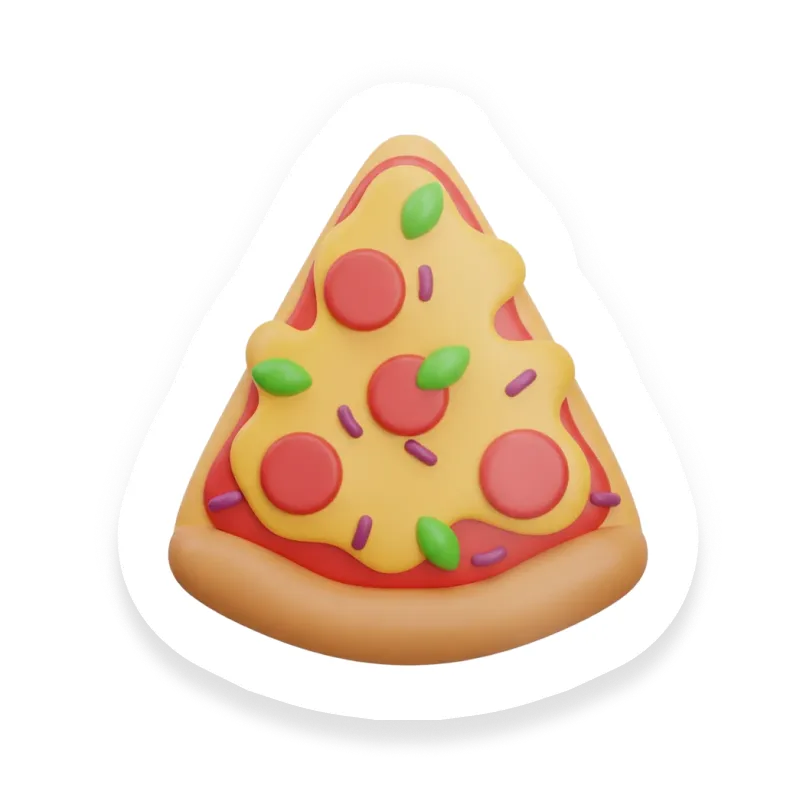
Pizza
Prepared
Is Pizza Safe for Babies?
Yes, babies can eat pizza starting around 6 months, ensuring it's served in age-appropriate, moderate amounts, and free of unsafe toppings or high sodium.
Yes, but there are some things to know
At a Glance
Pizza can be a helpful source of nutrients because the cheese is rich in calcium and protein, and the tomato sauce contains lycopene antioxidants that support heart and bone health. But many pizzas also include common triggers like milk and wheat, so people with allergies should check ingredients or pick safe alternatives.
How Do You Serve Pizza?
- 1Offer a long, firm piece of pizza crust for the baby to hold and gnaw; choose crusts that bend slightly and do not snap into shards.
- 2If the crust is too hard, peel off soft, well-cooked toppings and cut them into small, manageable pieces.
- 3Remove or avoid hard, chewy, stringy, or greasy bits (like undercooked meat or thick cheese edges) and do not serve honey.
- 4Always supervise closely while the baby explores food and offer only small pieces to reduce choking risk.
Is Pizza a Common Allergen?
Contains dairy (cheese) and gluten (wheat crust). Parents of children with milk or wheat/gluten allergies should avoid this pizza or confirm with the vendor about allergen-free options and preparation methods; cross-contamination in restaurant kitchens is possible. Other common allergens (peanuts, tree nuts, soy, eggs, shellfish, sesame, fish) are not typical ingredients but always check toppings and kitchen practices.
What Nutrients Does Pizza Have?
Pizza can provide carbohydrates for energy and protein plus calcium from cheese to support growth and bone development, along with small amounts of zinc and B vitamins from dough and various toppings. It is not a reliable iron source and is often high in sodium and saturated fat, so offer small, infrequent portions and pair with iron-rich foods elsewhere in the diet. Also watch for common allergens (dairy, wheat, eggs, fish, nuts) and avoid any pizza containing honey until after 12 months.
Is Pizza a Choking Hazard?
Elevated Choking Risk
Pizza poses a notable choking risk for young children because thick crusts, globs of cheese, and firm or stringy toppings can become gummy or form lumps that block the airway. Thin, floppy slices can also fold and get stuck in a baby’s throat. Stay within arm’s reach during meals and be vigilant for gagging or sudden breathing difficulty so you can respond quickly.
Have More Questions?
It depends. Babies can eat certain types of pizza if appropriately prepared, avoiding high-sodium ingredients and potential choking hazards, and ensuring allergens have been safely introduced.
Yes. Store leftover pizza in an airtight container in the refrigerator and serve it in an age-appropriate way, such as removing hot or hard toppings and cutting it into small, manageable pieces.
It depends. Freezing pureed pizza can be done if it is stored in a sealed container, but consider the texture and flavor changes that may occur during freezing and reheating.
It depends. Organic pizza may contain fewer pesticides and additives, but the most important thing is ensuring the ingredients are safe and suitable for your baby’s age and dietary needs.
Yes. Portion sizes for babies should be small, such as a few bite-sized pieces, and gradually increased as they get older and more accustomed to solid foods.
Is Pizza safe for your baby?
Get personalized guidance on introducing Pizza — with prep tips, allergen alerts, and age-specific serving ideas.
Sources
- Infant Botulism — CDC cdc.gov
- Starting Solid Foods — HealthyChildren.org (American Academy of Pediatrics) healthychildren.org
- Preventing Choking — HealthyChildren.org (American Academy of Pediatrics) healthychildren.org
- Pizza — Encyclopaedia Britannica britannica.com
- Pizza: How Healthy Is It? — American Heart Association heart.org
- Choking First Aid — American Red Cross redcross.org
What Other Prepared Can Babies Eat?
See all →
Backed by Science
Data you can trust.
Every food, guideline, and recommendation in Tummi is sourced from leading health institutions and peer-reviewed research.
 Centers for Disease Control and Prevention
Developmental milestones, nutrition guidelines, and allergen introduction timelines.
 American Academy of Pediatrics
Evidence-based feeding recommendations from the leading pediatric authority.
 National Institutes of Health
Peer-reviewed research on infant nutrition, allergies, and food safety.