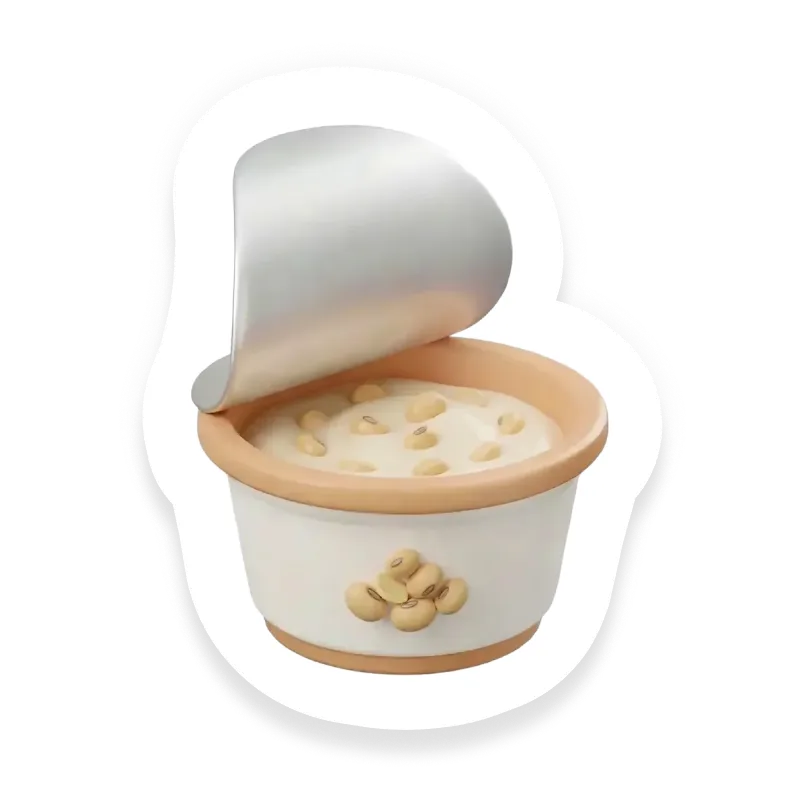
Soy Yogurt
Vegan
Is Soy Yogurt Safe for Babies?
Yes, soy yogurt can be introduced around 6 months of age once your baby is ready to start solids, but monitor for soy allergies.
Yes, but there are some things to know
At a Glance
Soy yogurt is a good source of plant based iron, which helps the body make healthy red blood cells. Eating it with vitamin C foods (like citrus or bell peppers) helps the body absorb that iron, while some natural plant compounds can reduce uptake.
Soy yogurt often contains live cultures that help balance gut bacteria and can make stools more regular. It also provides plant protein and soy isoflavones, which support digestion and overall gut health.
Soy yogurt is a dairy-free food that provides a plant protein source and contains isoflavones and probiotics, which can support bone and heart health. Because it contains soy proteins, it can trigger reactions in sensitive people and is a common food allergen.
How Do You Serve Soy Yogurt?
- 1Serve soy yogurt in a shallow, wide dish so baby can easily scoop with fingers or a spoon.
- 2Use a pre-loaded spoon handed near the baby's hands or slightly elevated so it’s easy to grab. This approach encourages self-feeding.
- 3If your baby has already tolerated nut or seed butters, stir in a very small amount of unsweetened butter to thicken and add calories; start with less than half a teaspoon and mix well.
- 4Check the yogurt label for added sugars or sweeteners and serve at room temperature or slightly cool — avoid hot or icy foods.
- 5Use soy yogurt as a mild base for simple sweet or savory purees, and introduce new mix-ins one at a time to monitor tolerance.
Is Soy Yogurt a Common Allergen?
Contains soy — avoid if your child has a soy allergy. Many soy yogurts are dairy-free, but always check the ingredient label and any 'may contain' or cross-contact warnings for nuts, peanuts, dairy, or gluten. If your child has severe or multiple allergies, consult their pediatrician or allergist before trying new products and follow their emergency action plan. When in doubt, choose a product clearly labeled free of the allergens of concern.
What Nutrients Does Soy Yogurt Have?
Soy yogurt provides plant-based protein, some healthy fats, and—depending on the brand—meaningful iron; many varieties are fortified with calcium, vitamin D and B12 and some contain live probiotic cultures that may support digestion. Those nutrients support growth, bone development and iron status in infants, making fortified soy yogurt a useful dairy-free option. Parents should choose low- or no-added-sugar varieties, be mindful of soy as a common allergen, and avoid letting any single food (including soy yogurt) displace breastmilk/formula or a varied diet.
Is Soy Yogurt a Choking Hazard?
Very Low Choking Risk
Soy yogurt is generally a low choking risk because of its smooth, spoonable texture, but any food can become a hazard if a child isn't developmentally ready. Stay within arm’s reach and watch for signs of gagging or distress while baby eats, and make sure you know infant choking first‑aid so you can act quickly if needed. If you have concerns about your child's chewing or swallowing, consult your pediatrician or a feeding specialist.
Have More Questions?
Yes. Many soy yogurts contain live probiotic cultures, which can support your baby's digestive health. Always check the label to ensure it contains 'live active cultures.'
Yes. Soy yogurt can be stored in the refrigerator for up to a week once opened. Keep it covered and sealed properly to maintain freshness.
It depends. Freeze pureed soy yogurt in small portions if you want to extend its shelf life, but note that freezing may change its texture, which could affect your baby's enjoyment.
It depends. When choosing soy yogurt for babies, opt for organic varieties if possible, but conventional options are also acceptable as long as they are free from additives and preservatives.
It depends. Soy yogurt can be combined with fruits, cereals, or pureed vegetables to create nutrient-rich meals for your baby, but introduce new combinations gradually to monitor for reactions.
Is Soy Yogurt safe for your baby?
Get personalized guidance on introducing Soy Yogurt — with prep tips, allergen alerts, and age-specific serving ideas.
Sources
- The natural history of soy allergy jacionline.org
- Soy - FoodAllergy.org foodallergy.org
- Risk assessment of food allergens (FAO/WHO meeting report, 2022) fao.org
- Use of Soy Protein-Based Formulas in Infant Feeding (Pediatrics, 2008) pubmed.ncbi.nlm.nih.gov
- Allergy to soy formula and to extensively hydrolyzed whey formula in infants with cow's milk allergy (J Pediatr, 2002) pubmed.ncbi.nlm.nih.gov
- Food protein-induced enterocolitis syndrome and allergic proctocolitis (Allergy Asthma Proc, 2015) pubmed.ncbi.nlm.nih.gov
What Other Vegan Can Babies Eat?
See all →
Backed by Science
Data you can trust.
Every food, guideline, and recommendation in Tummi is sourced from leading health institutions and peer-reviewed research.
 Centers for Disease Control and Prevention
Developmental milestones, nutrition guidelines, and allergen introduction timelines.
 American Academy of Pediatrics
Evidence-based feeding recommendations from the leading pediatric authority.
 National Institutes of Health
Peer-reviewed research on infant nutrition, allergies, and food safety.