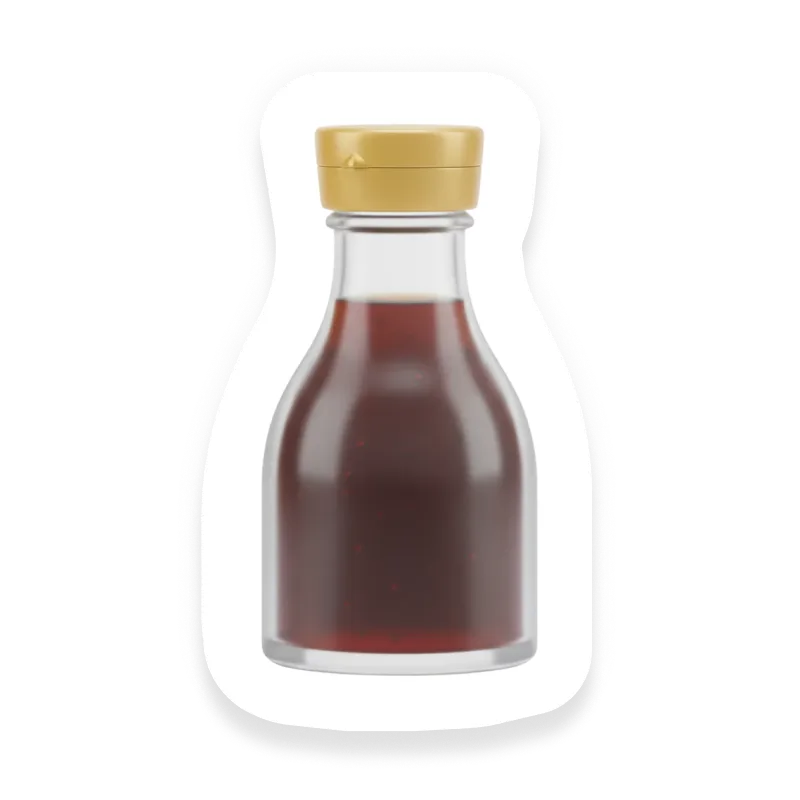
Soy Sauce
Condiment
Is Soy Sauce Safe for Babies?
No, soy sauce is too high in sodium for babies; it should be avoided until after age 1, and used sparingly in cooked dishes to introduce flavors gradually.
Yes, but there are some things to know
At a Glance
Made from fermented soybeans and often wheat, soy sauce can cause allergic reactions in people with soy or wheat sensitivities. Fermentation breaks proteins into amino acids, peptides and antioxidants that add savory flavor and modest nutritional benefits.
How Do You Serve Soy Sauce?
- 1Offer very small tastes (a few drops to a teaspoon) of family dishes that contain soy sauce so baby can slowly adjust to the flavor and sodium.
- 2Never give straight soy sauce or heavily salted portions; instead use low-sodium soy sauce or dilute a small amount with water or unsalted broth.
- 3Make sure baby has already tried and tolerated soy and wheat separately before introducing mixed family dishes that include them.
- 4Remove or reduce large pieces, cut foods to appropriate sizes, and serve lukewarm to reduce choking risk and protect a baby's mouth.
- 5Introduce one new soy-containing dish at a time and observe for any allergic reaction or digestive upset for 48–72 hours before offering another.
Is Soy Sauce a Common Allergen?
Soy sauce commonly contains both soy and wheat (gluten), so it can trigger soy and wheat/gluten allergies. Many traditional brands list wheat on the label; tamari or products labeled “gluten-free” (or alternatives like coconut aminos) are available for those avoiding gluten. Always check ingredient lists and “Contains” allergen statements, and avoid soy sauce for children with known soy allergy, celiac disease, or wheat sensitivity; be cautious about cross-contact in restaurants and packaged foods.
What Nutrients Does Soy Sauce Have?
Soy sauce provides only small amounts of amino acids, carbohydrates, antioxidants, and fermentation-derived oligosaccharides (potential prebiotics), but is notable for being high in sodium. The fermentation-derived amino acids and oligosaccharides may offer modest flavor and gut-microbiome benefits when consumed in tiny amounts. Because of its high salt content, limit portions for infants—share dishes that contain soy sauce sparingly from about 6 months, prefer low‑sodium versions or dilute, and avoid regular direct servings to reduce excess sodium. Note that soy sauce commonly contains soy and often wheat, so introduce those allergens separately first and read labels carefully.
Is Soy Sauce a Choking Hazard?
Very Low Choking Risk
Soy sauce itself is a thin liquid and is not a significant choking hazard, but dishes containing it may have solid pieces that can pose a risk. Stay within arm’s reach during meals, watch closely for signs of choking (unable to cry or cough, noisy breathing, blue lips), and be familiar with infant/toddler choking first aid. If a choking incident occurs or you’re concerned, get immediate help.
Have More Questions?
It depends. Small amounts of soy sauce can be used to flavor dishes for babies around 6 months, but due to its high sodium content, it should be used sparingly and not as a main ingredient.
It depends. While soy sauce contains small amounts of nutrients and supports flavor exploration, it should be given in tiny quantities and not replace other nutrient-dense foods.
It depends. Most soy sauces contain wheat and soy, which are common allergens, so consult with your healthcare provider before offering if your baby has allergies.
It depends. Using soy sauce in cooked dishes for babies is generally safe if used in moderation, but avoid giving pure soy sauce directly to prevent excessive salt intake.
It depends. It’s best to dilute soy sauce or add in small quantities to family meals, especially to control salt intake and ensure it’s suitable for your baby’s diet.
Is Soy Sauce safe for your baby?
Get personalized guidance on introducing Soy Sauce — with prep tips, allergen alerts, and age-specific serving ideas.
Sources
- Structural characteristics of oligosaccharides from soy sauce lees and their potential prebiotic effect on lactic acid bacteria doi.org
- Functional effects of Japanese style fermented soy sauce (shoyu) and its components doi.org
- Does salt intake in the first two years of life affect the development of cardiovascular disorders in adulthood? doi.org
- Infants' and Children's Salt Taste Perception and Liking: A Review doi.org
Backed by Science
Data you can trust.
Every food, guideline, and recommendation in Tummi is sourced from leading health institutions and peer-reviewed research.
 Centers for Disease Control and Prevention
Developmental milestones, nutrition guidelines, and allergen introduction timelines.
 American Academy of Pediatrics
Evidence-based feeding recommendations from the leading pediatric authority.
 National Institutes of Health
Peer-reviewed research on infant nutrition, allergies, and food safety.