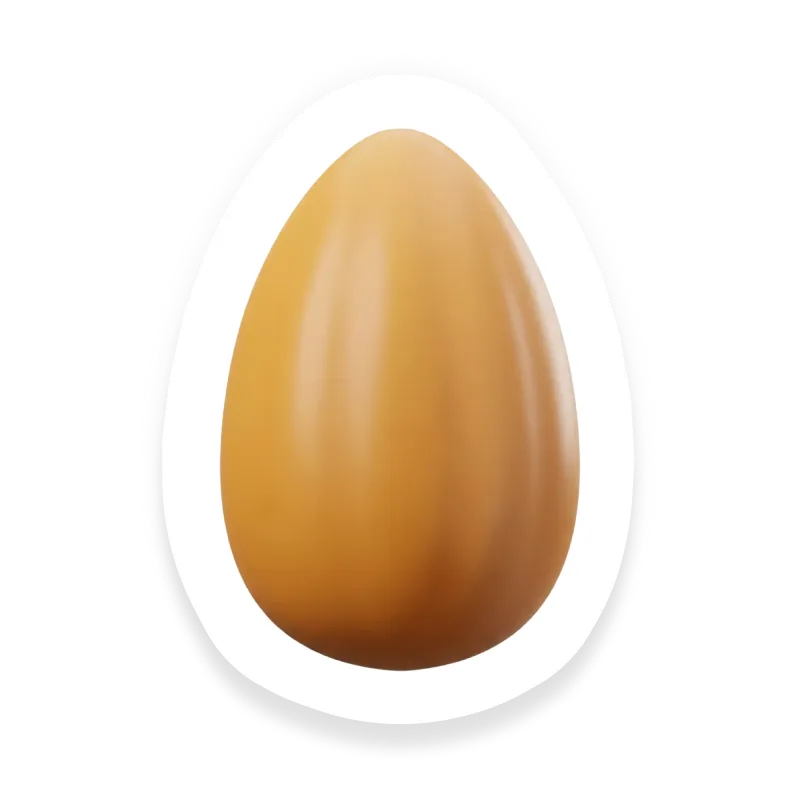
Almond
Treenut
Is Almond Safe for Babies?
Yes, finely ground almonds or smooth almond butter can be introduced around 6 months, avoiding whole almonds due to choking hazards.
Yes, but there are some things to know
At a Glance
Almonds provide a modest iron content along with vitamin E and magnesium that support overall nutrition. The iron and other minerals in almonds help form red blood cells and assist with oxygen transport in the body.
Almonds help keep digestion regular because they are high in fiber that feeds helpful gut bacteria. They also offer healthy unsaturated fats, magnesium, and vitamin E, nutrients that support gut function and help lower inflammation.
Almonds commonly cause allergic reactions in sensitive people and are a frequent tree‑nut trigger. They also support heart and metabolic health because they are vitamin E rich, high in fiber, and contain monounsaturated fatty acids that can help lower LDL cholesterol.
How Do You Serve Almond?
- 1Offer only finely ground almonds or smooth almond butter; avoid chunky textures that are hard to chew.
- 2Give whole almonds only after the child reliably takes small bites, chews thoroughly, and can spit out poorly chewed pieces.
- 3Model safe technique—take a small bite and move it to the molars—and practice this together while supervising closely.
- 4When introducing whole nuts, offer one or two at a time, seated upright and focused, with an adult within arm’s reach.
- 5Prepare the environment by removing distractions and keeping water nearby to help swallowing if needed.
Is Almond a Common Allergen?
Almonds are tree nuts and a common, potentially severe allergen—avoid them for anyone with a tree-nut allergy. Cross-contact risk is high in mixed-nut products, baked goods, nut butters, and facilities that process multiple nuts. Some highly refined almond oils may have reduced protein but can still pose a risk for sensitive individuals—always check labels and manufacturer allergen statements. If a child has a suspected or known nut allergy, avoid almonds, carry epinephrine, and consult an allergist.
What Nutrients Does Almond Have?
Almonds are nutrient-dense: they supply healthy monounsaturated fats, plant protein, fiber, vitamin E, calcium, iron, magnesium, potassium, zinc, and antioxidant compounds (especially in the skins). For babies, these nutrients support brain development, energy, bone growth, and micronutrient status when offered in age-appropriate forms. Because almonds are calorie-dense and contain phytic acid, offer small, thinned smooth almond butter or finely ground almond rather than large amounts so they don’t displace breastmilk/formula or other needed foods. Also be mindful of allergy and choking risk—follow age-appropriate preparation and portion guidance.
Is Almond a Choking Hazard?
Elevated Choking Risk
Almonds are a notable choking hazard: whole almonds are small, firm, and difficult to chew, and almond butter can be sticky—both factors increase choking risk. Keep your baby seated upright, within arm’s reach, and closely supervised during meals, since nuts and nut pieces remain choking risks well into toddlerhood (often until age 4 or beyond). Offer nuts only when your child demonstrates mature chewing skills and stop immediately if they gag, cough, or show trouble swallowing.
Have More Questions?
Yes. Finely ground almonds or almond-based nut butters can be introduced around 6 months, once baby is ready for solids, but whole or chopped almonds pose a choking hazard.
Yes. Almonds are rich in healthy fats, protein, and key nutrients like vitamin E and magnesium which support overall growth and development in babies.
Yes. Almonds are considered a common allergen, so introduce them cautiously and consult an allergist if there's a family history of nut allergies or if your baby has eczema or previous reactions.
Yes. Whole almonds or almond butter are choking hazards for babies; always serve them in appropriate, safe forms according to age and preparation guidelines.
Yes, but only as part of solid foods and not as a drink until after age one, to ensure it doesn't replace more nutritious options like breast milk or formula.
Is Almond safe for your baby?
Get personalized guidance on introducing Almond — with prep tips, allergen alerts, and age-specific serving ideas.
Sources
What Other Treenut Can Babies Eat?
See all →
Backed by Science
Data you can trust.
Every food, guideline, and recommendation in Tummi is sourced from leading health institutions and peer-reviewed research.
 Centers for Disease Control and Prevention
Developmental milestones, nutrition guidelines, and allergen introduction timelines.
 American Academy of Pediatrics
Evidence-based feeding recommendations from the leading pediatric authority.
 National Institutes of Health
Peer-reviewed research on infant nutrition, allergies, and food safety.