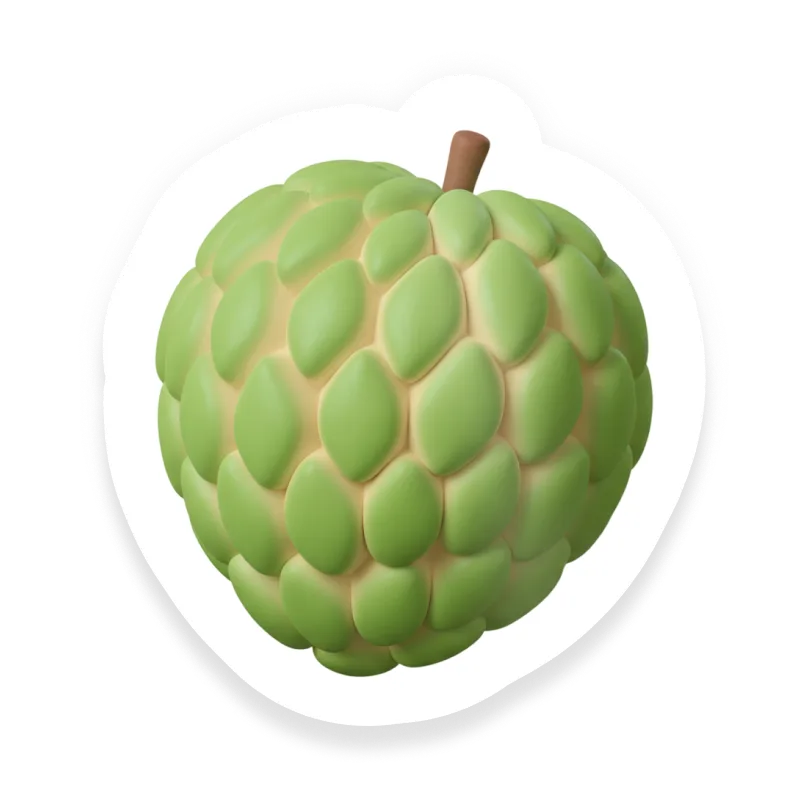
Cherimoya
Fruit
Is Cherimoya Safe for Babies?
Yes, remove skin and seeds; introduce around 6 months when baby is ready for solids.
Yes, but there are some things to know
At a Glance
Cherimoya is high in fiber, with about 4–7 g per serving depending on size. That fiber and water nourish gut bacteria and help keep bowels regular.
How Do You Serve Cherimoya?
- 1Choose a ripe cherimoya that gives slightly to gentle pressure and smells sweet.
- 2Wash, peel and remove all seeds carefully; seeds are a choking hazard, so discard them completely.
- 3Mash the flesh until very smooth so it can be scooped or stirred into porridge or yogurt. Smooth texture reduces choking risk.
- 4Serve small spoonfuls at room temperature and stay within arm’s reach while baby eats.
Is Cherimoya a Common Allergen?
Cherimoya is not a common food allergen for most children, but rare IgE‑mediated reactions and oral‑allergy symptoms have been reported. The seeds (and skin) contain toxic compounds—remove seeds and do not let children chew them. Children with pollen‑related oral allergy syndrome or known latex‑fruit sensitivity may be at higher risk, so introduce small amounts slowly and watch for mouth/ throat swelling, hives, vomiting, or breathing difficulty; seek immediate care for severe reactions.
What Nutrients Does Cherimoya Have?
Cherimoya is rich in vitamin C, vitamin B6, folate, potassium, fiber, omega‑3 fatty acids, and antioxidants. For babies, vitamin C helps iron absorption and immune health while B6 and folate support neurodevelopment; potassium and fiber support growth and digestion. The fruit's natural sugars and fiber mean it should be offered in moderation to avoid loose stools or excess sugar intake. Serve cherimoya as part of a varied diet and remove skin and seeds before offering to babies.
Is Cherimoya a Choking Hazard?
Low Choking Risk
Cherimoya seeds are a high choking hazard: they’re small, rounded, firm, and can be hard to see inside the opaque flesh, so it’s important to remove all seeds before giving the fruit to a baby. While the ripe flesh is less likely to choke, remain within arm’s reach and closely supervise to spot gagging or choking quickly. Know infant choking first aid so you can act immediately if needed.
Have More Questions?
Yes. When preparing cherimoya for babies, always remove the skin and seeds as they contain toxic compounds, ensuring it's safe for consumption.
It depends. Cherimoya can be introduced around 6 months when your baby is ready for solids, but always serve in small, manageable portions and observe for reactions.
Yes. Cherimoya is nutritious and provides vitamins, fiber, and antioxidants, which support various aspects of baby development when prepared properly.
No. Cherimoya is not a common allergen, but some individuals with latex allergies or Oral Allergy Syndrome might react; start with a small amount and monitor for reactions.
Yes. The seeds are small and firm, increasing choking risks, so ensure all seeds are removed and only serve ripe, soft flesh in appropriate sizes for babies.
Is Cherimoya safe for your baby?
Get personalized guidance on introducing Cherimoya — with prep tips, allergen alerts, and age-specific serving ideas.
What Other Fruit Can Babies Eat?
See all →

Backed by Science
Data you can trust.
Every food, guideline, and recommendation in Tummi is sourced from leading health institutions and peer-reviewed research.
 Centers for Disease Control and Prevention
Developmental milestones, nutrition guidelines, and allergen introduction timelines.
 American Academy of Pediatrics
Evidence-based feeding recommendations from the leading pediatric authority.
 National Institutes of Health
Peer-reviewed research on infant nutrition, allergies, and food safety.