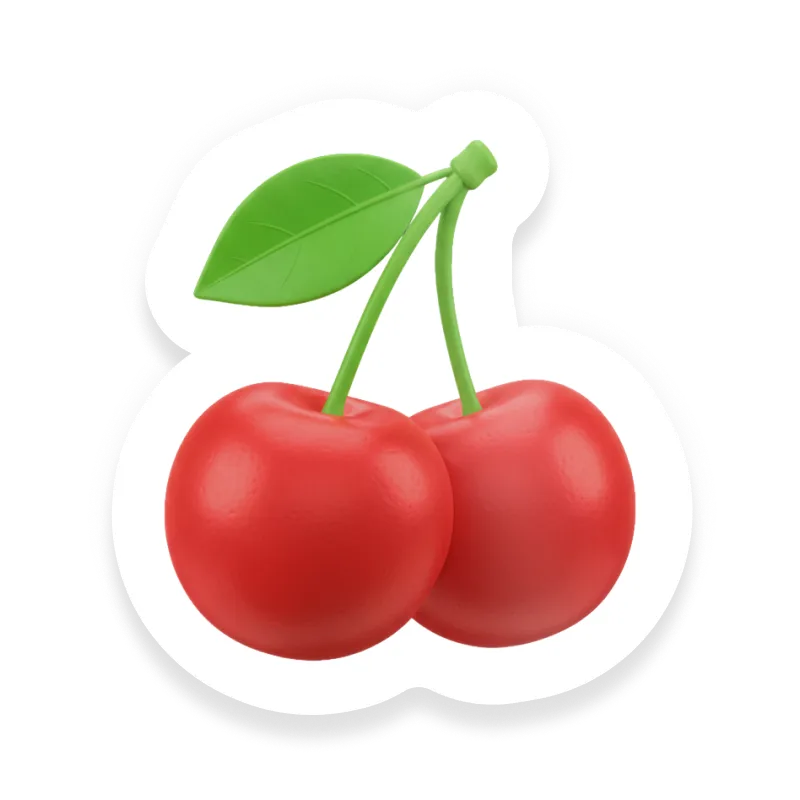
Cherry
Fruit
Is Cherry Safe for Babies?
Yes, cherries can be introduced around 6 months when baby is ready for solids; serve in a safe, prepared form to reduce choking risk.
Yes, but there are some things to know
At a Glance
Cherries can help keep bowel movements regular because they have dietary fiber content that adds bulk and helps move stool. They also contain natural sorbitol content, a sugar alcohol that can draw water into the gut and help soften stools.
How Do You Serve Cherry?
- 1Remove all pits and stems: cut cherries in half and use a cherry pitter or spoon to push out pits, then discard stems and inspect each piece.
- 2Raw option — finely mince until pieces are very small and soft enough to mash with a finger, then fold into oatmeal, yogurt, or ricotta so baby can easily scoop and swallow.
- 3Cooked option — simmer pitted cherries until they collapse, then mash or stir into purees, cereals, or soft foods; cool fully before serving.
- 4Always check for hidden pits and remove any tough skin fragments. Supervise closely during feedings and offer small spoonfuls so baby can feed safely.
Is Cherry a Common Allergen?
Cherries are not one of the major listed allergens (peanut, tree nut, milk, egg, soy, wheat/gluten, fish, shellfish, sesame), but some people—especially those with birch‑pollen allergy—may get oral allergy syndrome (itching or swelling of the mouth/throat) after eating fresh cherries. Dried or processed cherries can contain sulfite preservatives and may be handled on equipment that also processes nuts, so check labels if your child has sulfite sensitivity or a severe nut allergy. Whole pits are a choking and toxin risk—avoid giving whole pits to young children. Seek medical advice if any allergic symptoms occur.
What Nutrients Does Cherry Have?
Cherries provide quick energy from natural carbohydrates and are a good source of vitamin C (helps iron absorption), potassium (electrolyte support), dietary fiber (aids digestion and can help with constipation), and small amounts of B6 and vitamin K. They’re also rich in antioxidant anthocyanins, which may reduce inflammation. Because cherries are high in natural sugars (and contain sorbitol in some forms), offer them in moderation to avoid tummy upset or loose stools; they’re not an iron-rich food, so don’t rely on them for iron intake.
Is Cherry a Choking Hazard?
High Choking Risk
Cherries pose a notable choking risk because they’re round, often firm, and commonly contain a hard pit that can obstruct a baby’s airway. When introducing cherries, stay within arm’s reach and watch closely for coughing, gagging, or trouble breathing so you can respond immediately. If choking occurs, call emergency services and begin age‑appropriate first aid right away.
Have More Questions?
Yes, parents can store cherries in the refrigerator for 1-2 days if unwashed, or up to a week if washed and kept dry in a covered container.
Yes, freezing pureed cherries is a good way to extend shelf life; just freeze them in an airtight container for up to 3 months.
It depends. Organic cherries may have less pesticide residue, but conventional cherries are also safe; wash them thoroughly regardless of farming practice.
Yes, combining cherries with other baby-safe fruits or vegetables in a puree can create nutritious flavor combinations and help expose your baby to new tastes.
Portion sizes for babies vary based on age and feeding habits, but a typical serving for a baby starting solids is 1-2 tablespoons of pureed fruit as part of a balanced meal.
Is Cherry safe for your baby?
Get personalized guidance on introducing Cherry — with prep tips, allergen alerts, and age-specific serving ideas.
Sources
- Anaphylactic reaction caused by cherry ingestion pubmed.ncbi.nlm.nih.gov
- Oral Allergy Syndrome (OAS) Defined | AAAAI aaaai.org
What Other Fruit Can Babies Eat?
See all →




Backed by Science
Data you can trust.
Every food, guideline, and recommendation in Tummi is sourced from leading health institutions and peer-reviewed research.
 Centers for Disease Control and Prevention
Developmental milestones, nutrition guidelines, and allergen introduction timelines.
 American Academy of Pediatrics
Evidence-based feeding recommendations from the leading pediatric authority.
 National Institutes of Health
Peer-reviewed research on infant nutrition, allergies, and food safety.