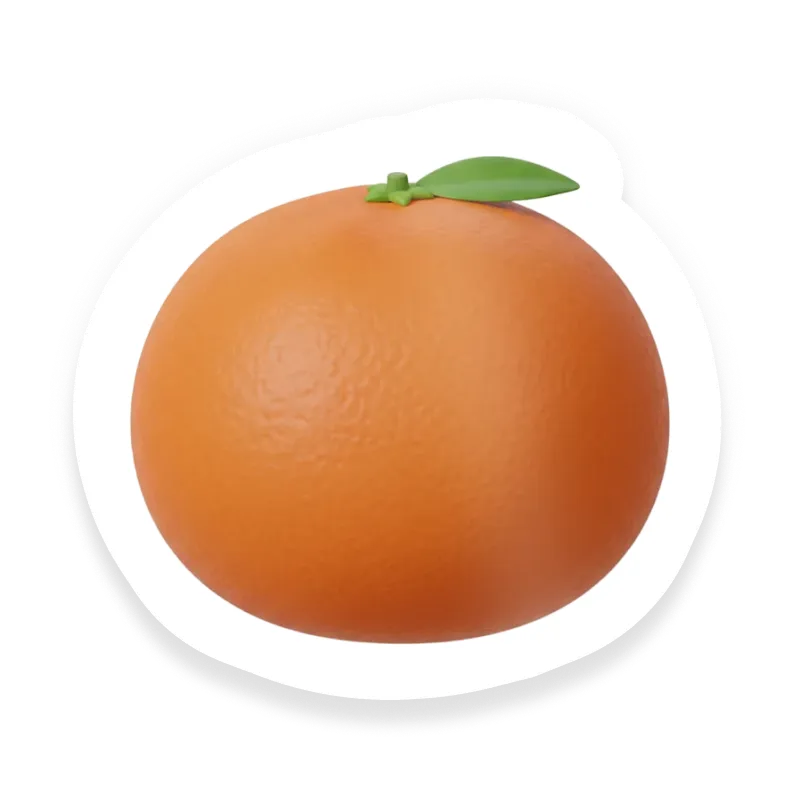
Clementine
Fruit
Is Clementine Safe for Babies?
Yes, clementines can be given to babies around 6 months old when they are ready to start solids, prepared in an age-appropriate way.
Yes, but there are some things to know
At a Glance
Clementines are an easy snack that help digestion because they are rich in fiber and have high water content, which together help soften stool and keep things moving. They also contain soluble citrus pectin, a type of fiber that feeds friendly gut bacteria and helps make stools softer and more regular.
How Do You Serve Clementine?
- 1Peel the clementine and separate into individual segments.
- 2Cut off the top of each segment and gently lift it out of the thin membrane pocket to release the segment.
- 3Remove any remaining membrane and slice each segment into small, bite-sized pieces — cut in half or quarters depending on fruit size.
- 4Serve immediately and always supervise while eating; never offer membrane-intact segments to reduce choking risk.
Is Clementine a Common Allergen?
Clementines are citrus fruits and are not common allergens (they contain no milk, nuts, gluten, soy, eggs, fish, shellfish, or peanuts). Rare citrus allergies or oral allergy syndrome can cause itching, swelling, or hives in sensitive children; peel oils (limonene) may cause contact dermatitis. The acidic juice can irritate the mouth or worsen reflux/diaper rash in infants. Offer small, supervised pieces to avoid choking and avoid giving them if your child has a known citrus allergy—consult your pediatrician/allergist for severe allergy history.
What Nutrients Does Clementine Have?
Clementines provide vitamin C (supports immune function and helps iron absorption), vitamin A and B6, folate, potassium, fiber and antioxidants (flavonoids), plus fluid for hydration—helpful for energy, digestion, growth and immune support. Seeds may concentrate allergens in rare cases and the acidity can irritate skin; clementine juice should be limited (small amounts after 12 months) because excess juice adds sugar, risks cavities, and can displace more nutrient-dense foods. Also note potential medication interactions similar to grapefruit; remove seeds and serve in age-appropriate forms.
Is Clementine a Choking Hazard?
Low Choking Risk
Clementine segments can be a choking hazard, particularly when left inside their thin membrane—their small, tapered ends and slippery texture make them likely to block a baby’s airway. Stay within arm’s reach and watch closely while your child is eating, and make sure caregivers know how to recognize and respond to choking. If you have concerns, consult your pediatrician or local first-aid resources.
Have More Questions?
Yes. It is safe to store cut clementines in the refrigerator for up to 1-2 days, but keep in mind they may dry out or lose flavor over time.
Yes. Clementine purees can typically be frozen in airtight containers for up to 1-2 months, helping you prepare in advance and reduce waste.
Yes. Buying organic clementines can reduce exposure to pesticides, but conventional ones are also safe for babies if washed thoroughly.
Yes. You can combine clementine with other fruits like banana or apple to create variety, but introduce new combinations gradually to monitor for sensitivities.
Yes. For infants, small portions of about a teaspoon to a tablespoon are appropriate, gradually increasing as they grow and become accustomed to new textures.
Is Clementine safe for your baby?
Get personalized guidance on introducing Clementine — with prep tips, allergen alerts, and age-specific serving ideas.
Sources
- Clementine juice has the potential for drug interactions - European Journal of Pharmaceutical Sciences (2017) sciencedirect.com
- Citrus allergy from pollen to clinical symptoms - PLoS One (2013) doi.org
- Sugar in Infants, Children and Adolescents: Position Paper of ESPGHAN Committee on Nutrition - Journal of Pediatric Gastroenterology and Nutrition (2017) doi.org
What Other Fruit Can Babies Eat?
See all →




Backed by Science
Data you can trust.
Every food, guideline, and recommendation in Tummi is sourced from leading health institutions and peer-reviewed research.
 Centers for Disease Control and Prevention
Developmental milestones, nutrition guidelines, and allergen introduction timelines.
 American Academy of Pediatrics
Evidence-based feeding recommendations from the leading pediatric authority.
 National Institutes of Health
Peer-reviewed research on infant nutrition, allergies, and food safety.