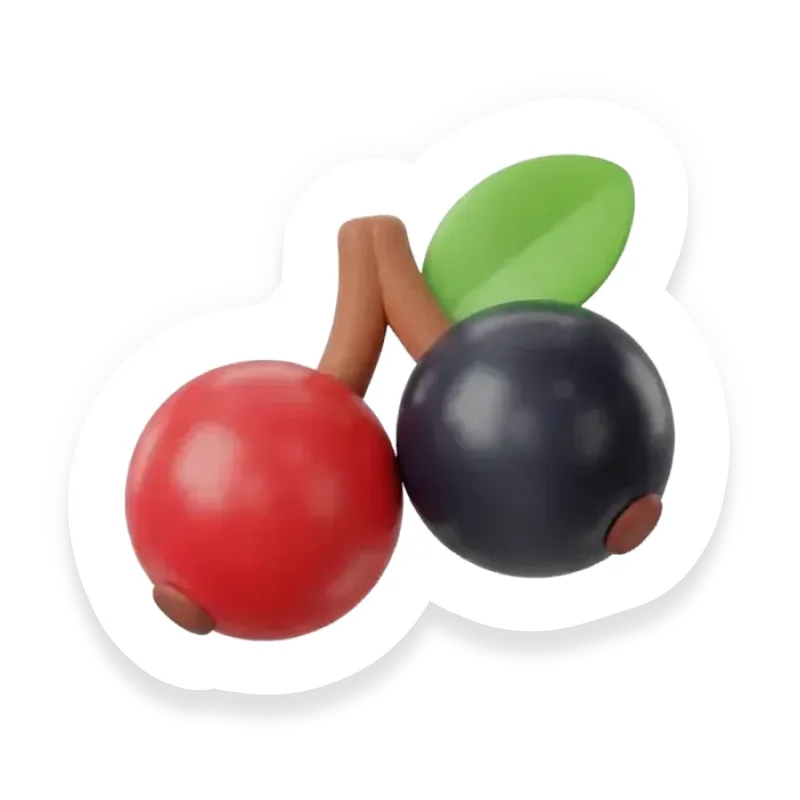
Currants
Fruit
Is Currants Safe for Babies?
Yes, babies can eat cooked or crushed currants starting around 6 months when they are ready for solids.
Yes, but there are some things to know
At a Glance
Currants are high in fiber, which adds bulk and helps stool move more easily. They also contain antioxidants and vitamin C that support gut bacteria and help digestive health.
How Do You Serve Currants?
- 1Cook or crush currants until fully soft and burst — simmer 2–5 minutes or mash until smooth. Remove seeds if possible to avoid chewy bits.
- 2Fold into scoopable foods like porridge, yogurt, or mashed banana to create a smooth, easy-to-eat texture.
- 3Start with a small amount (about one teaspoon) and wait to watch for any sensitivity before offering more.
- 4Let mixtures cool to lukewarm, serve on a spoon, and always supervise during meals to reduce choking risk.
Is Currants a Common Allergen?
Currants themselves are not a common source of the major allergens (peanut, tree nuts, soy, gluten, fish, shellfish, dairy, egg, sesame). However, dried currants may be treated with sulfites and some products are processed in facilities that handle tree nuts or other allergens, so check packaging for sulfite declarations and cross-contact warnings. For unpackaged or bulk currants, confirm handling to avoid cross-contact. When in doubt, read labels and contact the manufacturer.
What Nutrients Does Currants Have?
Currants are especially high in vitamin C and provide good fiber and potassium, plus small amounts of iron, B vitamins, magnesium and vitamin E; some varieties contain plant-based omega‑3s. These nutrients support immune function, aid iron absorption, help digestion, and supply antioxidants useful for growth and recovery. Too much—or concentrated forms like juice or dried currants—can add excess sugar, cause GI upset, reduce appetite from high fiber, and dried currants are a choking risk for young children. Serve small, cooked or crushed portions from about 6 months and limit juice or dried forms.
Is Currants a Choking Hazard?
Elevated Choking Risk
Currants are small, round, and slippery—qualities that make them a notable choking hazard for babies. Parents should be aware of this risk, stay within arm’s reach during meals, and closely watch for any gagging or choking. If you’re concerned your child isn’t reliably chewing yet, talk with your pediatrician for personalized guidance.
Have More Questions?
Yes. Since currants are small and tart, they should be cooked or pureed before feeding to avoid choking and to make them easier for babies to digest.
It depends. Organic currants are available, but always choose thoroughly washed products and consider cooking or crushing them to ensure they're safe and easy for your baby to eat.
Yes. You can store cooked or pureed currants in an airtight container in the refrigerator for up to 3 days or freeze in portions for longer storage.
It depends. Currants can be combined with other fruits or grains for variety and balanced nutrition, but introduce new combinations gradually to monitor baby’s reactions.
Yes. Portion sizes vary by baby's age and appetite, but start with small servings, such as a spoonful or two, and increase as tolerated and preferred.
Is Currants safe for your baby?
Get personalized guidance on introducing Currants — with prep tips, allergen alerts, and age-specific serving ideas.
Sources
- Health-promoting effects of bioactive compounds in blackcurrant (Ribes nigrum L.) Berries doi.org
- The Bioaccessibility of Antioxidants in Black Currant Puree after High Hydrostatic Pressure Treatment doi.org
- Currant allergy and the Rosaceae-grass pollen allergy syndrome: a case report doi.org
- Oral Allergy Syndrome: An Update for Stomatologists doi.org
- Sugar in Infants, Children and Adolescents: A Position Paper of the ESPGHAN Committee on Nutrition doi.org
- Oral Allergy Syndrome (OAS) or Pollen Fruit Syndrome (PFS) aaaai.org
What Other Fruit Can Babies Eat?
See all →


Backed by Science
Data you can trust.
Every food, guideline, and recommendation in Tummi is sourced from leading health institutions and peer-reviewed research.
 Centers for Disease Control and Prevention
Developmental milestones, nutrition guidelines, and allergen introduction timelines.
 American Academy of Pediatrics
Evidence-based feeding recommendations from the leading pediatric authority.
 National Institutes of Health
Peer-reviewed research on infant nutrition, allergies, and food safety.