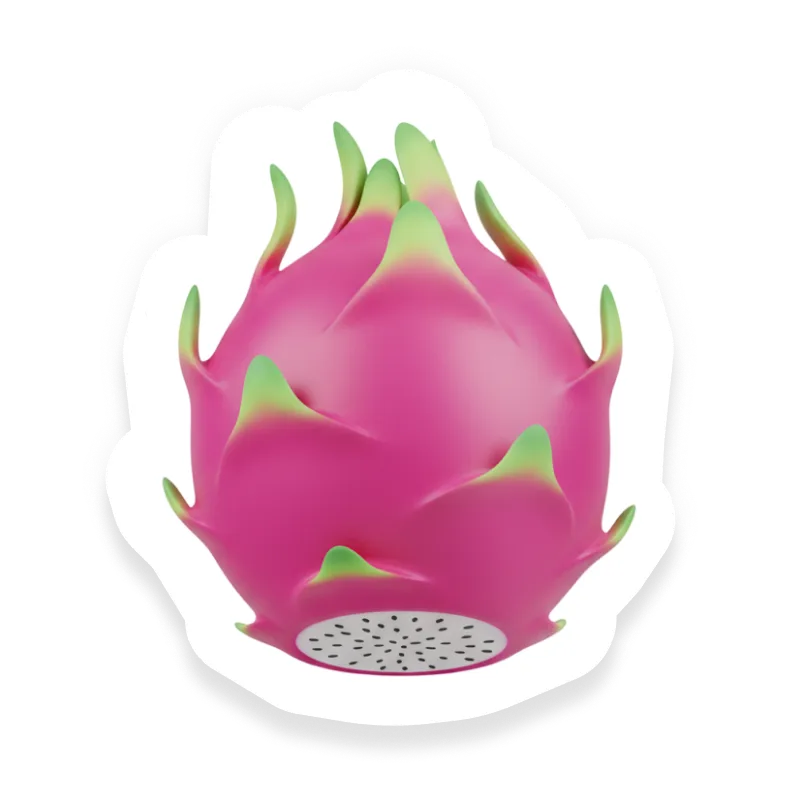
Dragon Fruit (Pitaya)
Fruit
Is Dragon Fruit (Pitaya) Safe for Babies?
Yes, babies can eat dragon fruit from around 6 months old, when they start solids. Serve ripe, peeled, and in age-appropriate pieces.
Yes, but there are some things to know
At a Glance
Dragon fruit is high in fiber, which helps keep digestion regular. It also contains prebiotic compounds, plus vitamin C and antioxidants that feed good gut bacteria and lower inflammation.
How Do You Serve Dragon Fruit (Pitaya)?
- 1Remove the skin and cut ripe dragon fruit into large quarters or wedges that are easy for baby to grasp and gum.
- 2If pieces are slippery, lightly roll them in finely ground nuts, shredded coconut, or hemp seeds to add texture and improve grip. Only use nuts if your baby has already been safely introduced to them.
- 3Choose ripe fruit—look for vibrant color and flesh that yields slightly to gentle pressure so it’s soft to gum but not mushy.
- 4Always supervise during eating and remove any skin; offer pieces large enough for baby to hold and gum rather than small bite-sized pieces.
Is Dragon Fruit (Pitaya) a Common Allergen?
Dragon fruit (pitaya) is not one of the common top-8 allergens and is generally low‑risk for most people, but documented cases show it can cause allergic reactions — including hives, oral itching/swelling and, rarely, anaphylaxis. Some fruit allergies are linked to pollen or latex cross‑reactivity, so children with known pollen, latex, or other fruit allergies should try small amounts first and be observed. If any signs of throat swelling, difficulty breathing, widespread hives, vomiting, or fainting occur, seek emergency care immediately. For mild mouth or lip itching, stop feeding and consult your pediatrician or an allergist for testing if concerned.
What Nutrients Does Dragon Fruit (Pitaya) Have?
Dragon fruit is low-calorie and carbohydrate-rich and provides modest amounts of fiber, vitamin C (helps iron absorption), vitamin K and some B vitamins, plus small amounts of iron, magnesium and potassium and antioxidants. For babies, the fiber supports digestion and a healthy microbiome, vitamin C aids iron absorption, and antioxidants offer general cellular support; its soft texture and mild flavor make it an easy first finger food. It’s not a concentrated source of iron or other micronutrients, so serve alongside iron-rich foods (meat, fortified cereals, legumes). Large amounts can cause loose stools because of fiber and natural sugars, so offer moderate portions.
Is Dragon Fruit (Pitaya) a Choking Hazard?
Low Choking Risk
Ripe dragon fruit poses a low choking risk, but any food can cause choking in an individual child. Always keep your baby seated upright and stay within arm’s reach during meals, and learn the signs of choking and basic infant choking first aid. If you have concerns about your child’s chewing or swallowing, check in with your pediatrician.
Have More Questions?
Yes. Once your baby is around 6 months old and has started solids, you can introduce ripe dragon fruit in small, manageable pieces.
Yes. Dragon fruit is a safe, nutritious option for babies once they are ready for solids, typically at around 6 months, provided it is prepared appropriately.
It depends. While dragon fruit is generally safe, ensure it's ripe, peeled, and cut into small, gentle pieces to prevent any choking hazards.
Yes. Small, soft, and peeled pieces of ripe dragon fruit can be served to babies, helping them practice self-feeding and enjoy diverse flavors.
It depends. You can incorporate dragon fruit into purees or small finger foods, ensuring the texture is appropriate for your baby's chewing ability.
Is Dragon Fruit (Pitaya) safe for your baby?
Get personalized guidance on introducing Dragon Fruit (Pitaya) — with prep tips, allergen alerts, and age-specific serving ideas.
Sources
- Phytoconstituents and pharmaco-therapeutic benefits of pitaya: A wonder fruit doi.org
- Nutritional analysis of red-purple and white-fleshed pitaya (Hylocereus) species doi.org
- Anaphylactic reaction to (mixed) fruit juice containing dragon fruit doi.org
- Identification of Allergens in White- and Red-Fleshed Pitaya (Selenicereus undatus and Selenicereus costaricensis) Seeds Using Bottom-Up Proteomics Coupled with Immunoinformatics doi.org
- Allergy to red pitaya doi.org
What Other Fruit Can Babies Eat?
See all →



Backed by Science
Data you can trust.
Every food, guideline, and recommendation in Tummi is sourced from leading health institutions and peer-reviewed research.
 Centers for Disease Control and Prevention
Developmental milestones, nutrition guidelines, and allergen introduction timelines.
 American Academy of Pediatrics
Evidence-based feeding recommendations from the leading pediatric authority.
 National Institutes of Health
Peer-reviewed research on infant nutrition, allergies, and food safety.