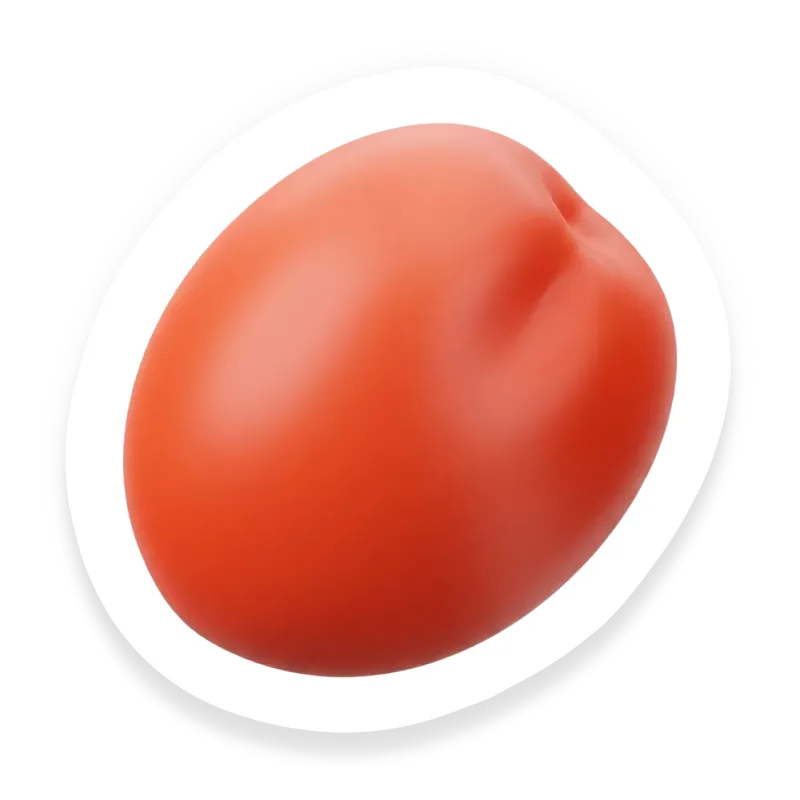
Goji Berry
Fruit
Is Goji Berry Safe for Babies?
Yes, goji berries can be introduced around 6 months old when baby is ready to start solids, typically in cooked or finely pureed form.
Yes, but there are some things to know
At a Glance
Goji berries are rich in fiber, which helps move food through the gut and can ease bowel movements. Their unique polysaccharide compounds feed helpful gut bacteria and support a healthy digestive environment.
How Do You Serve Goji Berry?
- 1Demonstrate how to move a single dried goji berry to the back teeth (molars) and model chewing until it breaks into small pieces.
- 2Offer only one or two berries at a time so the child can focus on chewing each thoroughly while seated and supervised.
- 3If the child is new to whole dried berries, soak them briefly in warm water or finely chop them to make them easier to chew.
- 4Avoid serving goji-containing trail mixes or other small hard snacks until the child reliably chews whole berries, and always supervise while they eat.
Is Goji Berry a Common Allergen?
Goji berries are not one of the common top-9 allergens (peanuts, tree nuts, milk, eggs, wheat/gluten, soy, fish, shellfish, sesame), but they can rarely cause allergic reactions in sensitive people, including pollen–food syndrome or isolated case reports of more severe reactions. Dried goji products may contain sulfites or be processed in facilities that handle nuts or gluten-containing grains, so always read packaging for preservatives and cross-contact warnings. If your child has known severe allergies or asthma, introduce goji in small amounts under supervision and consult your pediatrician or allergist before offering them.
What Nutrients Does Goji Berry Have?
Goji berries are a concentrated source of carbohydrates and fiber and provide vitamin C, carotenoids (notably zeaxanthin), and modest amounts of iron, folate, and vitamin E. These nutrients can support immune function, eye health, and contribute to iron/folate intake when offered alongside other iron-rich foods. Because dried goji berries are concentrated (higher in natural sugars and fiber), offer small portions, check for sulfite preservatives, and be aware of rare allergies or possible medication interactions.
Is Goji Berry a Choking Hazard?
Moderate Choking Risk
Goji berries are small, firm, and can be a significant choking hazard for young children. Closely supervise any time a child is eating them and stay within arm’s reach until they demonstrate reliable chewing and swallowing skills; avoid offering whole dried berries to young eaters. Be prepared by knowing choking first aid and keeping mealtimes calm and focused to reduce risk.
Have More Questions?
It depends. Goji berries can be included in a baby's diet when they are ready for solids around 6 months, but always introduce in small, manageable pieces and monitor for any adverse reactions.
Yes. They are nutritious and contain vitamins like C and E, but should be served in appropriate textures and sizes to prevent choking.
No. Allergies to goji berries are uncommon but possible, especially in children sensitive to related fruits or pollen; always observe for allergic reactions.
Yes. Due to their small size and firm texture, goji berries pose a choking risk for babies. Serve them in a soft, mashed form or finely chopped.
It depends. Small amounts of goji berry juice can be given after 12 months, but it’s better to wait until then to limit added sugars and reduce dental risks.
Is Goji Berry safe for your baby?
Get personalized guidance on introducing Goji Berry — with prep tips, allergen alerts, and age-specific serving ideas.
Sources
- Goji Berries as a Potential Natural Antioxidant Medicine: An Insight into Their Molecular Mechanisms of Action (2019) doi.org
- Recently introduced foods as new allergenic sources: sensitisation to Goji berries (Lycium barbarum) (2013) doi.org
- Oral Allergy Syndrome: An Update for Stomatologists (2015) doi.org
- Sugar in Infants, Children and Adolescents: A Position Paper of the ESPGHAN Committee on Nutrition (2017) doi.org
- Sulfite sensitivity (Cleveland Clinic) my.clevelandclinic.org
- Oral Allergy Syndrome (OAS) or Pollen Fruit Syndrome (PFS) (AAAAI) aaaai.org
What Other Fruit Can Babies Eat?
See all →


Backed by Science
Data you can trust.
Every food, guideline, and recommendation in Tummi is sourced from leading health institutions and peer-reviewed research.
 Centers for Disease Control and Prevention
Developmental milestones, nutrition guidelines, and allergen introduction timelines.
 American Academy of Pediatrics
Evidence-based feeding recommendations from the leading pediatric authority.
 National Institutes of Health
Peer-reviewed research on infant nutrition, allergies, and food safety.