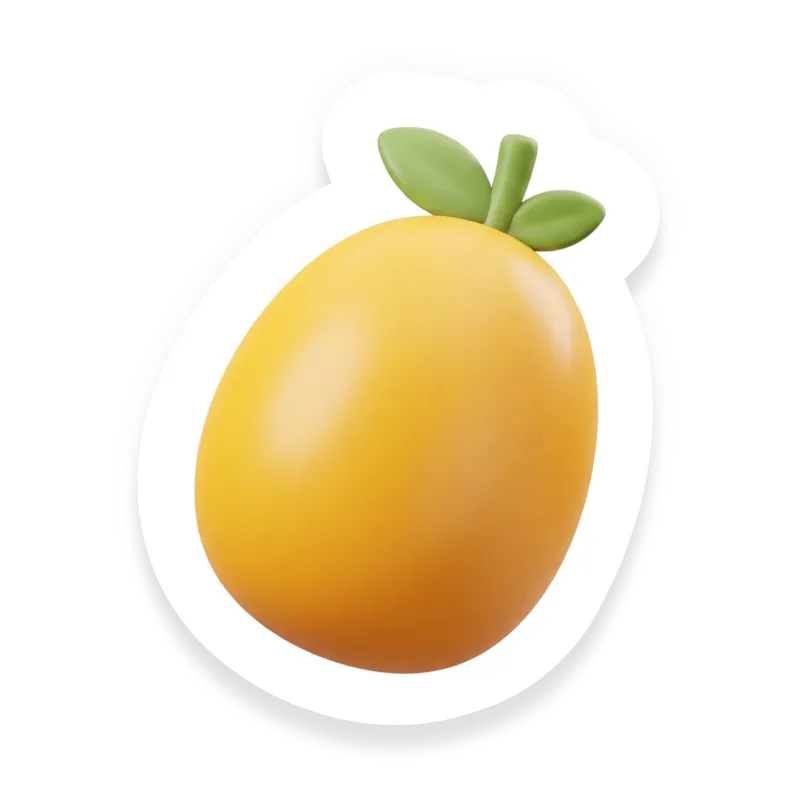
Loquat
Fruit
Is Loquat Safe for Babies?
Yes, babies can eat ripe, seedless loquat from around 6 months, ensuring seeds are removed to prevent choking and cyanide hazard.
Yes, but there are some things to know
At a Glance
Loquats are rich in fiber, which helps add bulk to stool and keeps bowels regular. They also contain plant polysaccharides and antioxidants that support healthy microbes and may soothe mild gut irritation.
How Do You Serve Loquat?
- 1Remove all seeds and pits and serve only the soft, ripe flesh cut to an age-appropriate texture—smooth for spoon-feeding or soft strips/halves for self-feeding.
- 2When offering halves or pieces for self-feeding, ensure the pit cavity is completely cleared and pieces are small enough; supervise closely while the child eats.
- 3Peel if the skin is tough; if the fruit is slippery, roll pieces in unsweetened shredded coconut or finely ground cereal for better grip (avoid whole nuts unless you’ve confirmed no allergy).
- 4Avoid adding sugar or sweeteners; serve plain loquat and consult your pediatric feeding guidance before introducing added sweeteners.
Is Loquat a Common Allergen?
Loquat is not a common food allergen but can cause oral allergy symptoms in people with pollen allergies (particularly birch-related pollen) because it may contain Bet v 1–type proteins. Rare case reports describe more generalized allergic reactions, so severe reactions, while uncommon, are possible. If a child has known pollen-food cross-reactivity or previous fruit allergies, avoid giving loquat and consult an allergist; watch for itching, swelling, hives, breathing difficulty, or GI symptoms and seek immediate care for severe signs.
What Nutrients Does Loquat Have?
Loquat is a good source of provitamin A carotenoids (beta‑carotene, lutein), vitamin B6, and fiber (notably pectin), plus water—nutrients that support vision and immune health, brain development, and regular stools. It is low in iron and not a common allergen. Avoid seeds (contain amygdalin/cyanogenic compounds) and offer age‑appropriate portions because ripe loquat is naturally sugary and high‑fiber intake can cause gas or loose stools; vitamin A toxicity from whole fruit is unlikely. Remove seeds and serve ripe, soft fruit in moderation.
Is Loquat a Choking Hazard?
High Choking Risk
Loquat can pose a choking hazard — particularly the firm, unripe flesh and the small, hard seeds. Stay within arm’s reach and closely supervise your baby during meals so you can respond quickly if they gag or choke. Pay attention to pieces that could block the airway and be ready to act if needed.
Have More Questions?
Yes. Loquat can be stored in the refrigerator for up to a week or frozen for longer storage. Peel and cut the fruit into appropriate portions before storing in an airtight container or freezer bag.
Yes. To freeze purees, pour the cooked and pureed loquat into ice cube trays, freeze until solid, then transfer to a freezer bag. Label with date for best quality.
It depends. Organic loquats may have fewer pesticides, which some parents prefer for babies, but conventionally grown loquats are also safe if washed thoroughly.
Yes. Combining loquat with other fruits such as apple or pear can introduce new flavors and textures, and provide a broader range of nutrients for your baby.
It depends. Serving appropriate portion sizes depends on your baby’s age, appetite, and readiness. Start with small amounts, like a teaspoon, and gradually increase.
Is Loquat safe for your baby?
Get personalized guidance on introducing Loquat — with prep tips, allergen alerts, and age-specific serving ideas.
Sources
- Quantification of amygdalin, prunasin, total cyanide and free cyanide in powdered loquat seeds doi.org
- Metabolic Dynamics During Loquat Fruit Ripening and Postharvest Technologies doi.org
- Transcriptional analysis for the difference in carotenoids accumulation in flesh and peel of white-fleshed loquat fruit doi.org
- Allergy to loquat doi.org
- Clinical cross-reactivity among foods of the Rosaceae family doi.org
- Oral allergy syndrome (American Journal of Rhinology & Allergy) doi.org
- Oral Allergy Syndrome: An Update for Stomatologists doi.org
- The Potential of Pectins to Modulate the Human Gut Microbiota Evaluated by In Vitro Fermentation: A Systematic Review doi.org
What Other Fruit Can Babies Eat?
See all →




Backed by Science
Data you can trust.
Every food, guideline, and recommendation in Tummi is sourced from leading health institutions and peer-reviewed research.
 Centers for Disease Control and Prevention
Developmental milestones, nutrition guidelines, and allergen introduction timelines.
 American Academy of Pediatrics
Evidence-based feeding recommendations from the leading pediatric authority.
 National Institutes of Health
Peer-reviewed research on infant nutrition, allergies, and food safety.