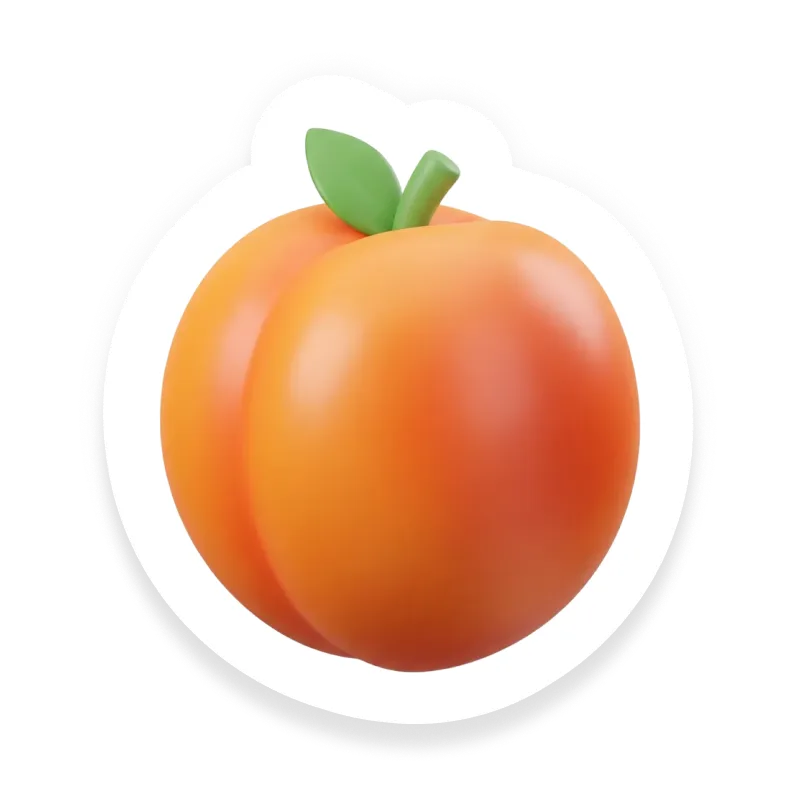
Nectarine
Fruit
Is Nectarine Safe for Babies?
Yes, babies can eat nectarines around 6 months, when the fruit is very soft, ripe, or cooked until soft.
Yes, but there are some things to know
At a Glance
Nectarines can help digestion because they are a source of fiber. They also have high water content, which helps soften stools and makes them easier to pass.
How Do You Serve Nectarine?
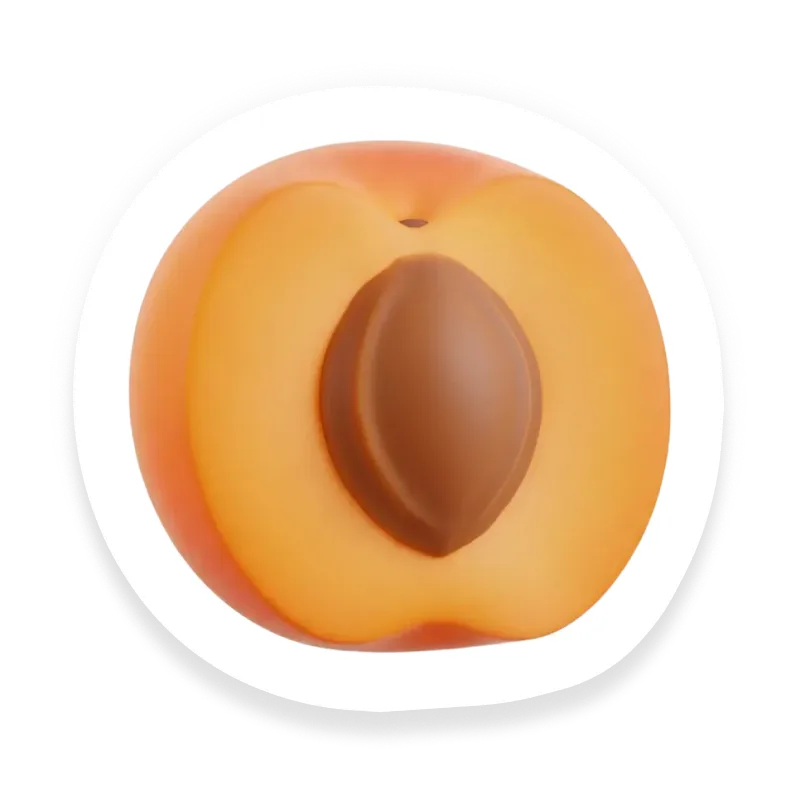
- 1Choose a very ripe nectarine and remove the pit completely; offer a half with the skin on to help baby grip, or peel it if you prefer.
- 2Check softness — it should mash easily between your thumb and forefinger.
- 3Let baby self-feed; if they take a large bite, avoid putting fingers in their mouth. Kneel close so gravity can help, or mash the piece into porridge or yogurt to reduce size.
- 4Only offer a whole nectarine if it’s larger than the baby’s mouth and extremely soft, and remove the pit immediately if it becomes exposed.
Is Nectarine a Common Allergen?
Nectarines are not one of the common “top 8” allergens and are usually safe for most children. However, people with birch-pollen allergy or a known peach/stone-fruit allergy can develop oral allergy syndrome (itchy mouth/throat), especially from raw fruit and the skin. Those with known peach or severe food allergies should avoid nectarines and consult their clinician; cooking often reduces OAS risk. For infants and toddlers, serve ripe nectarines in age-appropriate, soft, bite-sized pieces to reduce choking risk.
What Nutrients Does Nectarine Have?
Nectarines are low‑calorie, hydrating fruits that supply vitamin C, provitamin A (beta‑carotene), potassium, and fiber, plus small amounts of B vitamins and vitamin E—nutrients that support immune function, vision/skin health, electrolyte balance, and digestion in babies. Their fiber and water content can help relieve constipation, and vitamin C aids iron absorption from complementary foods. Offer nectarines as whole/mashed fruit in age‑appropriate portions (avoid juice until after 12 months); eating too much—especially juice or large quantities—can cause diarrhea, tooth decay, and may displace other nutrient‑dense foods. Introduce gradually and watch for oral allergy symptoms in pollen‑sensitive children.
Is Nectarine a Choking Hazard?
Moderate Choking Risk
Nectarines can be a choking risk because they’re often slippery and can be firm when underripe, which increases the chance a large piece could block the airway. Stay within arm’s reach and closely supervise any infant or toddler eating nectarines, especially if they’re still mastering chewing and swallowing. Know basic choking first aid so you can respond quickly if needed.
Have More Questions?
Yes. You can store peeled or sliced nectarines in an airtight container in the fridge for up to 24 hours to maintain freshness for your baby's meals.
Yes. Freezing pureed nectarines is an option; freeze in small portions in an airtight container or ice cube tray for up to 3 months.
It depends. Opt for organic nectarines if possible to minimize pesticide exposure, though conventional ones are safe if thoroughly washed.
Yes. Combining nectarines with other smooth fruits or vegetables can introduce your baby to new flavors and textures during meal times.
Yes. Small, age-appropriate portion sizes for babies are usually about 1-2 tablespoons of pureed fruit, adjusting as they grow.
Is Nectarine safe for your baby?
Get personalized guidance on introducing Nectarine — with prep tips, allergen alerts, and age-specific serving ideas.
Sources
- American Academy of Allergy Asthma & Immunology - Oral Allergy Syndrome aaaai.org
- Kim JH et al. (2018) - Oral Allergy Syndrome in Birch Pollen-Sensitized Patients doi.org
- Rodriguez J et al. (2000) - Clinical cross-reactivity among foods of the Rosaceae family doi.org
- Costa J & Mafra I (2022) - Rosaceae food allergy: a review doi.org
- Kashyap RR & Kashyap RS (2015) - Oral Allergy Syndrome: An Update for Stomatologists doi.org
- World Health Organization (2023) - WHO Guideline for complementary feeding of infants and young children 6-23 months of age who.int
- Fidler Mis et al. (2017) - Sugar in Infants, Children and Adolescents: A Position Paper (ESPGHAN) doi.org
What Other Fruit Can Babies Eat?
See all →


Backed by Science
Data you can trust.
Every food, guideline, and recommendation in Tummi is sourced from leading health institutions and peer-reviewed research.
 Centers for Disease Control and Prevention
Developmental milestones, nutrition guidelines, and allergen introduction timelines.
 American Academy of Pediatrics
Evidence-based feeding recommendations from the leading pediatric authority.
 National Institutes of Health
Peer-reviewed research on infant nutrition, allergies, and food safety.