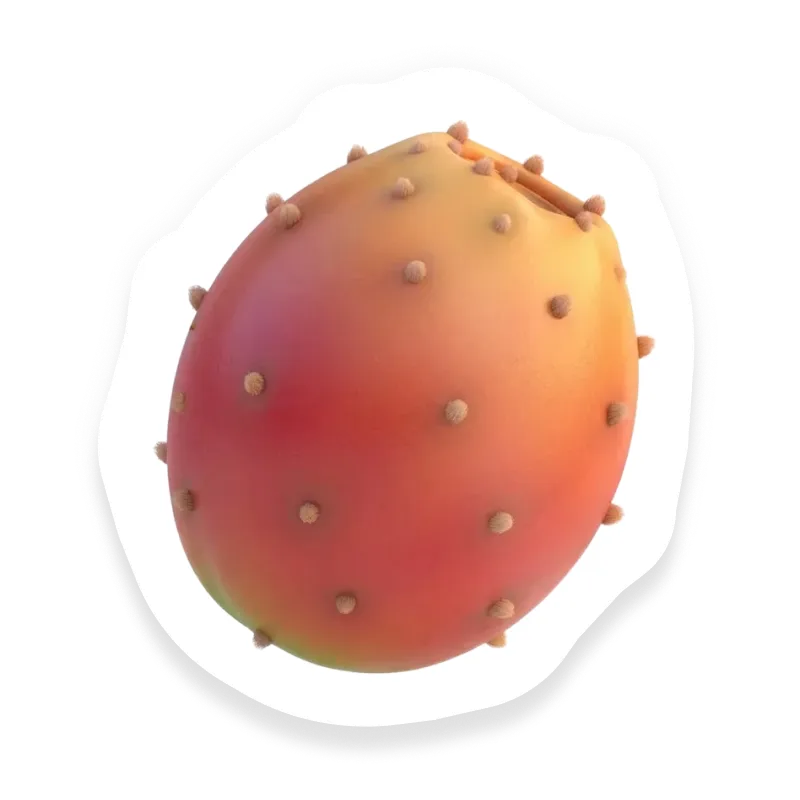
Prickly Pear (Cactus Fruit)
Fruit
Is Prickly Pear (Cactus Fruit) Safe for Babies?
Yes, babies can eat peeled and seed-removed prickly pear starting at around 6 months of age when they are ready to start solids.
Yes, but there are some things to know
How Do You Serve Prickly Pear (Cactus Fruit)?
- 1Wash and scrub the fruit thoroughly, then peel it before preparing.
- 2Mash the flesh and strain it well to remove all seeds. Strain out the seeds to eliminate choking hazards; never offer whole seeds or unstrained pulp.
- 3Use only small amounts of strained prickly pear as a flavoring mixed into mashed vegetables, porridge, or cooked proteins rather than as a drink, and avoid sugary processed prickly pear products.
- 4Stay within arm’s reach and supervise closely during meals; keep portions small and check texture to prevent choking.
Is Prickly Pear (Cactus Fruit) a Common Allergen?
Allergen notes: Prickly pear (cactus fruit) allergies are uncommon but have been reported, including mild oral itching or contact dermatitis and rare systemic reactions. It is not a common source of the major food allergens (milk, egg, peanut, tree nuts, soy, wheat/gluten, fish, shellfish, sesame), so most children without a known fruit or cactus allergy should tolerate it. Remove spines, introduce a small amount initially, watch for hives, swelling, vomiting, or breathing changes, and seek medical care for any concerning reaction.
What Nutrients Does Prickly Pear (Cactus Fruit) Have?
Prickly pear provides beneficial nutrients for babies including dietary fiber, vitamin B6, vitamin C, and a range of antioxidants (betalains, polyphenols). These support digestion and a healthy gut microbiome (fiber), help immune function (vitamin C and antioxidants), and contribute to neurological development (vitamin B6). Seeds and the fruit’s slippery texture increase choking risk for infants, so mash and strain seeds for babies under ~2 years; avoid offering sweetened prickly pear juice or processed sugary products to infants. The fruit is low in nutrients that cause toxicity, so it’s safe in normal serving sizes—offer in moderation as part of a varied diet.
Is Prickly Pear (Cactus Fruit) a Choking Hazard?
High Choking Risk
Prickly pear poses a notable choking risk because its flesh can be slippery and the fruit contains many small, hard seeds that can be aspirated. When introducing this food, stay within arm’s reach and watch closely for coughing or gagging. Avoid offering pieces with intact seeds until the child can reliably follow instructions about spitting them out.
Have More Questions?
Yes. Prickly pear can be introduced as soon as your baby is ready to start solids, around 6 months old, provided the seeds are removed and the fruit is strained.
It depends. While the fruit itself can be safe for babies from 6 months, avoid serving juice, candies, or processed products until they're at least 12 months old due to sugar and additive concerns.
It depends. Focus on serving the fresh, strained fruit without seeds to minimize choking risk, and always supervise your baby during feeding.
It depends. The seeds are edible but quite firm and can pose a choking hazard; strain them out or remove before feeding to your baby.
No. Prickly pear isn’t considered a common allergen, but start with small amounts to monitor for possible reactions as with any new food.
Is Prickly Pear (Cactus Fruit) safe for your baby?
Get personalized guidance on introducing Prickly Pear (Cactus Fruit) — with prep tips, allergen alerts, and age-specific serving ideas.
Sources
What Other Fruit Can Babies Eat?
See all →



Backed by Science
Data you can trust.
Every food, guideline, and recommendation in Tummi is sourced from leading health institutions and peer-reviewed research.
 Centers for Disease Control and Prevention
Developmental milestones, nutrition guidelines, and allergen introduction timelines.
 American Academy of Pediatrics
Evidence-based feeding recommendations from the leading pediatric authority.
 National Institutes of Health
Peer-reviewed research on infant nutrition, allergies, and food safety.