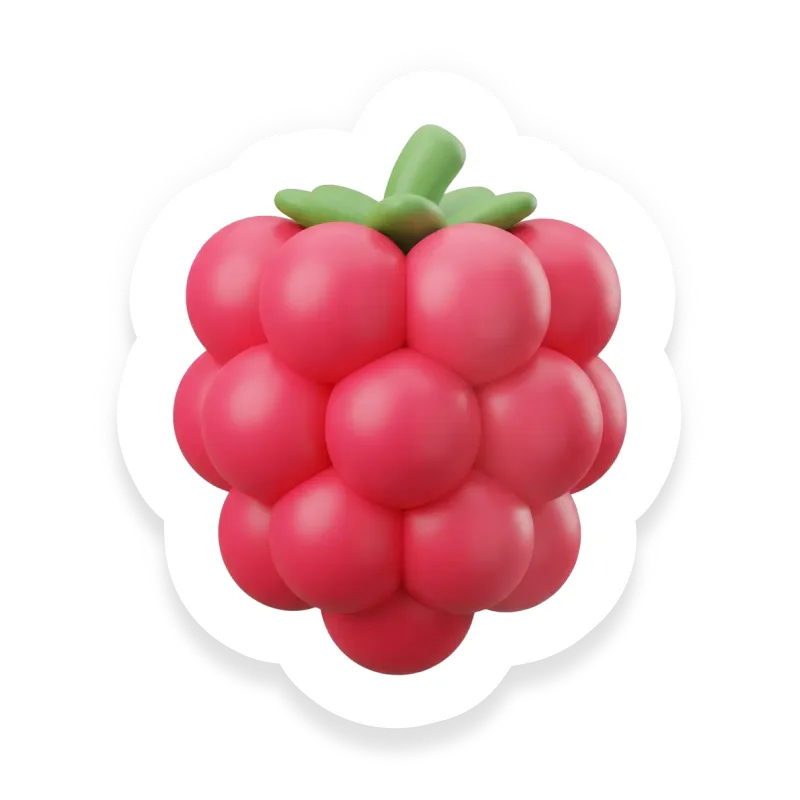
Raspberry
Fruit
Is Raspberry Safe for Babies?
Yes, babies can eat raspberries starting around 6 months when they're ready for solids; serve pureed or mashed to prevent choking.
Yes, but there are some things to know
How Do You Serve Raspberry?
- 1Mash or press raspberries until mostly smooth and scoopable, then stir into porridge, warm cereal, or yogurt so the texture is easy to manage.
- 2Offer small spoonfuls or a thin smear on a clean finger to practice self-feeding; pause between bites and watch for gagging.
- 3If the fruit is tart or thin, mix with breastmilk, formula, or full-fat yogurt to improve flavor and make scooping easier.
- 4Store fresh mixtures in the fridge up to 24 hours or freeze in single-serve cubes for convenient thawing and serving.
Is Raspberry a Common Allergen?
Raspberries are not among the major common food allergens (milk, egg, peanut, tree nuts, soy, wheat, fish, shellfish, sesame) and are generally safe for most children. A small number of people may have fruit allergies or experience oral allergy syndrome (itchy mouth/throat) related to pollen cross‑reactivity. Their tiny seeds can be a mild choking concern for very young infants, and the fruit's acidity may irritate sensitive mouths or skin. If a child has known fruit/pollen allergies or develops hives, swelling, vomiting, or breathing trouble after eating raspberries, stop feeding and seek medical care.
What Nutrients Does Raspberry Have?
Raspberries are a low‑calorie, high‑fiber fruit that supplies vitamin C, folate, potassium, manganese and small amounts of omega‑3s and other B vitamins—nutrients that support immune function and iron absorption, gut and microbiome development, electrolyte balance, and brain/growth needs. Their fiber and water content promote healthy bowel movements and gut development, while vitamin C helps with iron absorption and immune support; antioxidants support overall health. Too much (large or concentrated servings) can cause diarrhea, gas or worsen contact/diaper rash because of acidity, so offer age‑appropriate portions (mashed/flattened for infants) and watch for GI or skin reactions.
Is Raspberry a Choking Hazard?
Very Low Choking Risk
Ripe, soft raspberries are generally low risk for choking, but firm, small, or unripe berries can be hazardous. Always stay within arm’s reach and closely supervise your baby while they eat—watch for coughing or difficulty breathing and respond promptly. If your baby can’t breathe, cry, or turns blue, call emergency services immediately.
Have More Questions?
Yes. Raspberries can be stored in the refrigerator for a few days or frozen for longer storage, ideally in a single layer and then transferred to an airtight container or freezer bag.
Yes. Freezing pureed or mashed raspberries is a good way to prepare them ahead and reduce waste, ensuring they maintain their nutrients and flavor.
It depends. When choosing organic or conventional raspberries, consider your preference and budget; organic may have fewer pesticides but both are safe for babies.
Yes. Combining raspberries with other fruits or vegetables can introduce your baby to new flavors while maintaining a suitable texture and nutrient profile.
It depends. Baby portions can start small, around a teaspoon, and gradually increase as your baby gets used to the new food and their appetite grows.
Is Raspberry safe for your baby?
Get personalized guidance on introducing Raspberry — with prep tips, allergen alerts, and age-specific serving ideas.
Sources
- Kashyap, R.R., Kashyap, R.S. (2015). Oral Allergy Syndrome: An Update for Stomatologists. Journal of Allergy. DOI:10.1155/2015/543928 doi.org
- Rodríguez, J., Crespo, J. F., López-Rubio, A., De La Cruz-Bertolo, J., Ferrando-Vivas, P., et al. (2000). Clinical cross-reactivity among foods of the Rosaceae family. The Journal of Allergy and Clinical Immunology. DOI:10.1067/mai.2000.106927 doi.org
- Costa, J., & Mafra, I. (2022). Rosaceae food allergy: a review. Critical Reviews in Food Science and Nutrition. DOI:10.1080/10408398.2022.2045897 doi.org
- American Academy of Allergy Asthma & Immunology. Oral Allergy Syndrome (OAS) or Pollen Fruit Syndrome (PFS) aaaai.org
What Other Fruit Can Babies Eat?
See all →



Backed by Science
Data you can trust.
Every food, guideline, and recommendation in Tummi is sourced from leading health institutions and peer-reviewed research.
 Centers for Disease Control and Prevention
Developmental milestones, nutrition guidelines, and allergen introduction timelines.
 American Academy of Pediatrics
Evidence-based feeding recommendations from the leading pediatric authority.
 National Institutes of Health
Peer-reviewed research on infant nutrition, allergies, and food safety.