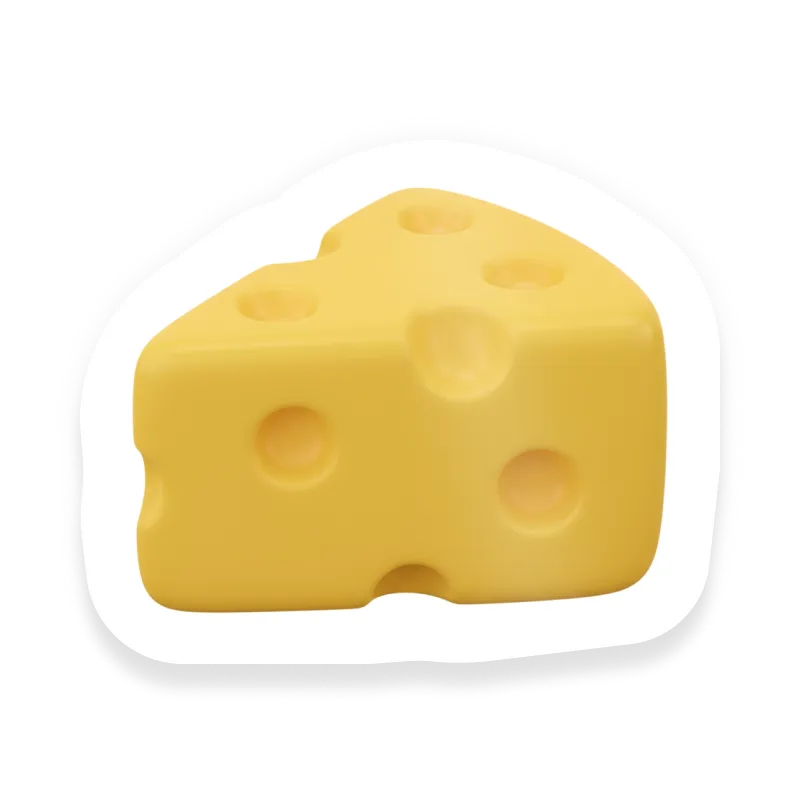
Cheese
Dairy
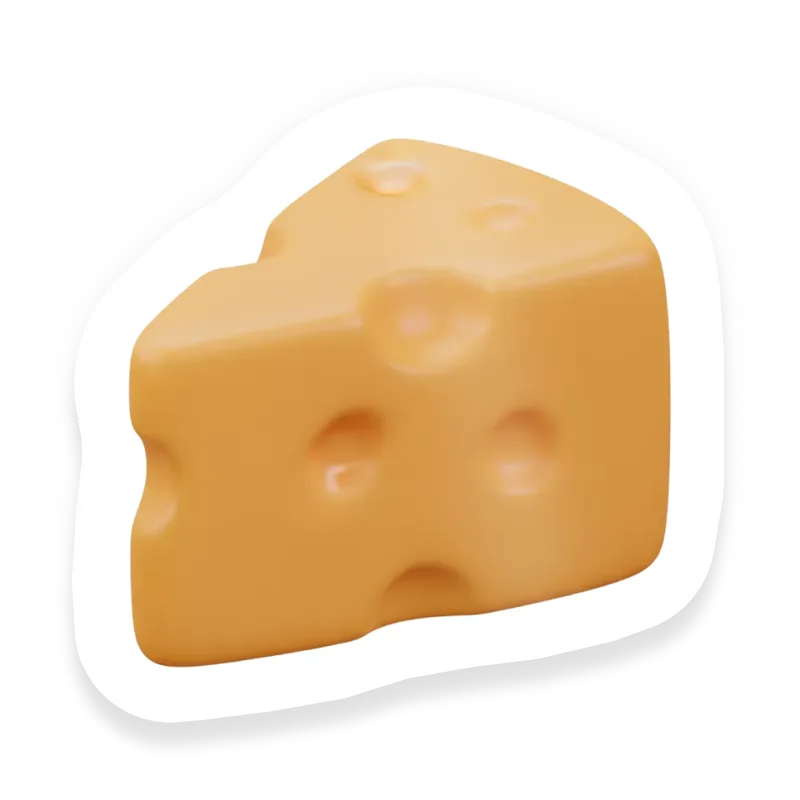
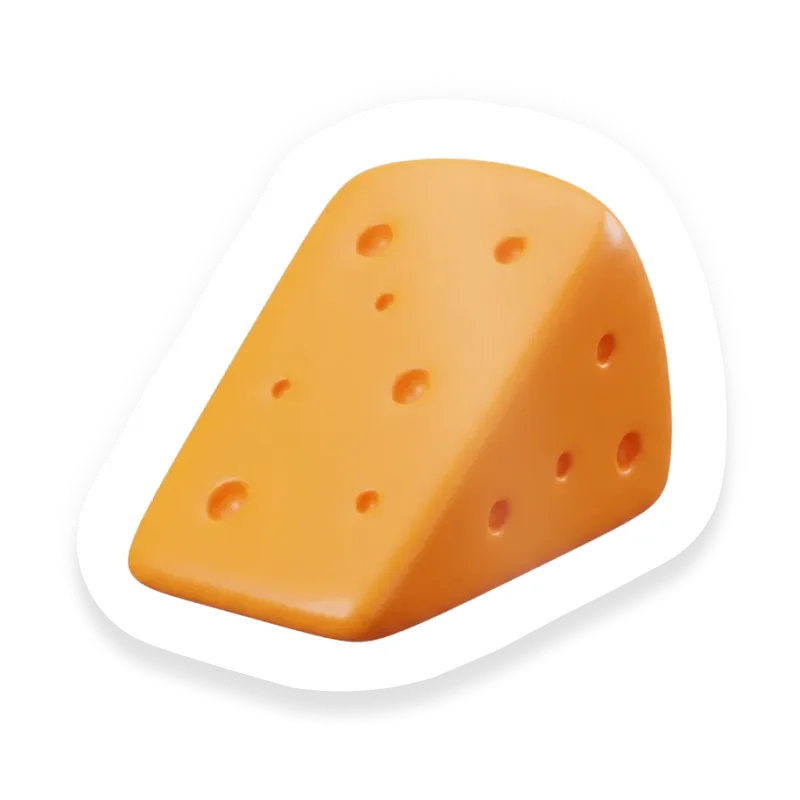
Is Cheese Safe for Babies?
Yes, pasteurized cheese can be introduced around 6 months, ensuring it is cut into small, manageable pieces to reduce choking risk.
Yes, but there are some things to know
At a Glance
Cheese is high in calcium and a good protein source, nutrients that help build and keep bones strong. Because it comes from milk, some people can react to its proteins or lactose, so anyone with known sensitivities should avoid it or use alternatives.
How Do You Serve Cheese?
- 1Spread a thin layer of pasteurized soft cheese on toast or offer it in a shallow bowl so your baby can scoop and mash with their gums.
- 2For semi‑firm cheeses, cut long, flat ruler‑thin strips (not cubes) so the baby can grasp and gnaw safely.
- 3Do not serve unpasteurized or mold‑ripened cheeses (e.g., Brie, blue cheese); check labels and avoid overly salty varieties.
- 4If you serve melted cheese, make it a very thin layer and let it cool to lukewarm to prevent burns and reduce choking risk; always supervise during meals.
Is Cheese a Common Allergen?
Cheese contains milk proteins (casein and whey) and should be avoided by anyone with a milk (cow’s milk) allergy — lactose‑free products may still contain these proteins. Lactose intolerance is different from milk allergy; some aged cheeses have lower lactose but still contain allergenic proteins. Always read labels for added ingredients (e.g., nuts, soy, gluten) and possible cross-contact in flavored or processed cheeses, and consult your child’s allergist if you’re unsure.
What Nutrients Does Cheese Have?
Cheese is nutrient-dense for babies, supplying high-quality protein and fat for growth and brain development, plus calcium, selenium, zinc, and vitamins A and B12 that support bone health, immunity, and neurological development. Because many cheeses are relatively high in sodium and aged varieties contain histamines, prefer pasteurized, lower-sodium cheeses and limit high-sodium or unpasteurized options. Cheese can be offered regularly as part of a varied diet, but introduce cow’s-milk cheeses cautiously for allergy risk and follow pediatric guidance on portions.
Is Cheese a Choking Hazard?
Low Choking Risk
Cheese can be firm, springy, and sticky, which allows it to form a mass in the mouth and makes it a notable choking risk for babies. Parents should stay within arm’s reach and closely supervise when introducing cheese, be alert for signs of choking or gagging, and have an emergency plan in case of airway blockage.
Have More Questions?
Yes. When choosing cheese for babies, ensure it is pasteurized to reduce the risk of foodborne illness and serve in appropriate, manageable pieces to prevent choking.
Yes. You can freeze cheese in small portions for later use; just wrap and store it in airtight containers to maintain quality.
Yes. Organic cheese is made from milk from animals not treated with synthetic pesticides or hormones, but nutritionally, it is similar to conventional cheese.
Yes. Combining cheese with fruits, vegetables, or grains can create nutritious, balanced meal options for babies, supporting diverse taste development.
There is no strict limit; serve cheese as part of a varied diet, and monitor portion sizes based on your baby's appetite and dietary needs.
Is Cheese safe for your baby?
Get personalized guidance on introducing Cheese — with prep tips, allergen alerts, and age-specific serving ideas.
Sources
What Other Dairy Can Babies Eat?
See all →
Backed by Science
Data you can trust.
Every food, guideline, and recommendation in Tummi is sourced from leading health institutions and peer-reviewed research.
 Centers for Disease Control and Prevention
Developmental milestones, nutrition guidelines, and allergen introduction timelines.
 American Academy of Pediatrics
Evidence-based feeding recommendations from the leading pediatric authority.
 National Institutes of Health
Peer-reviewed research on infant nutrition, allergies, and food safety.