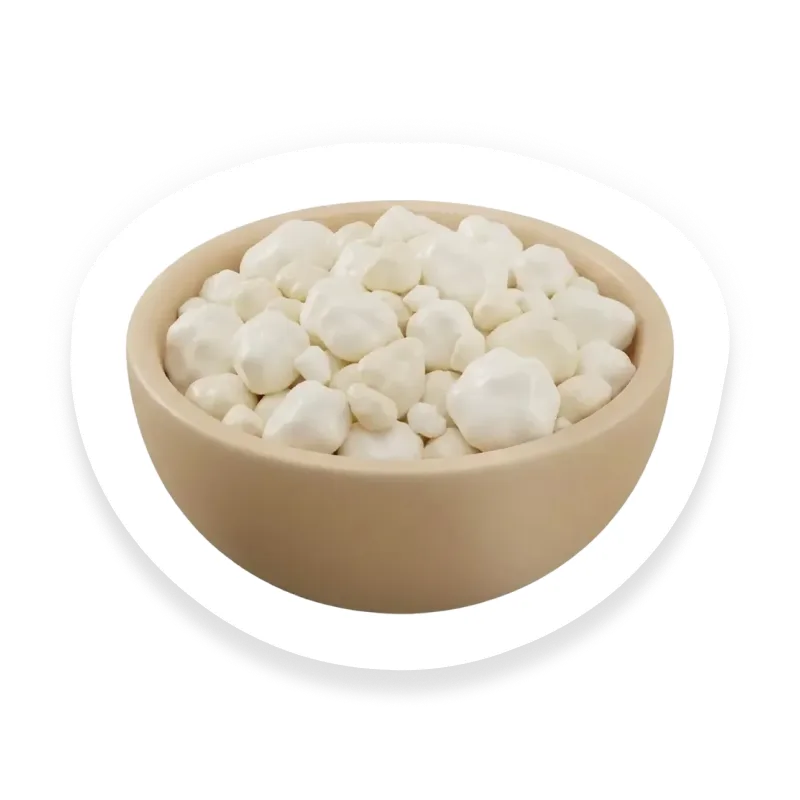
Cotija Cheese
Dairy
Is Cotija Cheese Safe for Babies?
No, cotija cheese should be introduced after the baby’s first birthday due to its high sodium content.
Yes, but there are some things to know
At a Glance
Cotija cheese is an aged dairy that's high in calcium and a good protein source. Those nutrients come from the cheese's concentrated milk solids and help support bone and muscle growth.
How Do You Serve Cotija Cheese?
- 1Offer cotija only occasionally because it is very high in sodium; if you share any, limit it to a tiny taste (about ½ teaspoon or less).
- 2Use pasteurized cotija only — do not give unpasteurized varieties due to infection risk.
- 3Grate very finely or crumble into tiny pieces and mix into soft foods to reduce choking risk.
- 4Watch for any allergic reaction after the first exposure and consult your pediatrician with concerns; serve a tiny amount first.
Is Cotija Cheese a Common Allergen?
Cotija is a cow's‑milk cheese and therefore contains dairy — it should be avoided by children with milk allergy. Many commercial Cotija products are made from pasteurized milk, but pasteurization does not remove milk proteins that trigger allergic reactions. Some aged Cotija may be lower in lactose and tolerated by people with lactose intolerance, but milk‑allergic individuals must not eat it. Always read product labels for ‘milk’ and check for cross‑contact warnings.
What Nutrients Does Cotija Cheese Have?
Cotija is nutrient-dense — a good source of protein, calcium, vitamin B12, zinc and selenium, which support growth, bone development, and nervous/immune function. However, aged cotija is very high in sodium (and can be high in saturated fat), so limit portions, choose pasteurized and lower‑sodium (tajo style) varieties, and introduce after 12 months. Offer small grated or thinly cut amounts to reduce choking and avoid frequent servings to prevent excess sodium intake. If baby has a milk allergy or FPIES, consult an allergist before offering dairy.
Is Cotija Cheese a Choking Hazard?
Very Low Choking Risk
Cheese is a common choking hazard for babies, and cotija’s crumbly or dense textures can make it more likely to block the airway. Keep your baby within arm’s reach and closely supervise every bite, watching for gagging, persistent coughing, or signs of breathing difficulty. If you observe any trouble breathing or an inability to clear the airway, seek emergency medical help right away.
Have More Questions?
It depends. Cotija cheese is high in sodium, so it should generally be introduced after the baby’s first birthday, and in moderation.
Yes, but it's best to limit it due to its high sodium content and potential for unpasteurized varieties, which carry food safety risks.
It depends on the type. Pasteurized cotija cheese is safer for older babies, but due to high sodium levels, it's better for toddlers after age one.
Yes, and consider grated or very thin slices to minimize choking hazards and make it easier for babies to eat safely.
It depends. Cotija contains cow’s milk protein, which can cause allergic reactions in some children, so consult your pediatrician if allergies run in your family.
Is Cotija Cheese safe for your baby?
Get personalized guidance on introducing Cotija Cheese — with prep tips, allergen alerts, and age-specific serving ideas.
Sources
- Baker SS, Baker RD. Early Exposure to Dietary Sugar and Salt. Pediatrics. 2015;135(3):550-551. doi.org
- Dietary Reference Intakes for Sodium and Potassium. National Academies of Sciences, Engineering, and Medicine. 2019. nap.edu
- Dangers of raw milk. U.S. Food & Drug Administration. fda.gov
- González S, et al. Fermented Dairy Foods: Impact on Intestinal Microbiota and Health-Linked Biomarkers. Frontiers in Microbiology. 2019;10:1046. frontiersin.org
- Health Issues: Choking Prevention. HealthyChildren.org. healthychildren.org
- Warren CM, Jhaveri S, Warrier MR, Smith B, Gupta RS. The epidemiology of milk allergy in US children. Ann Allergy Asthma Immunol. 2013;110(5):370-374. doi.org
- Cow’s milk protein allergy. GI Kids. North American Society for Pediatric Gastroenterology, Hepatology and Nutrition Foundation. gikids.org
- Wood RA, et al. The natural history of milk allergy in an observational cohort. J Allergy Clin Immunol. 2013;131(3):805-812. doi.org
- Comas-Basté O, et al. Histamine Intolerance: The Current State of the Art. Biomolecules. 2020;10(8):1181. mdpi.com
- Nazar W, et al. Histamine Intolerance in Children: A Narrative Review. Nutrients. 2021;13(5):1486. mdpi.com
- Food Protein-Induced Enterocolitis Syndrome. National Organization for Rare Disorders. 2019. rarediseases.org
- Nowak-Węgrzyn A. Food protein-induced enterocolitis syndrome and allergic proctocolitis. Allergy Asthma Proc. 2015;36(3):172-84. doi.org
- Living with lactose intolerance. InformedHealth.org (IQWiG). ncbi.nlm.nih.gov
What Other Dairy Can Babies Eat?
See all →
Backed by Science
Data you can trust.
Every food, guideline, and recommendation in Tummi is sourced from leading health institutions and peer-reviewed research.
 Centers for Disease Control and Prevention
Developmental milestones, nutrition guidelines, and allergen introduction timelines.
 American Academy of Pediatrics
Evidence-based feeding recommendations from the leading pediatric authority.
 National Institutes of Health
Peer-reviewed research on infant nutrition, allergies, and food safety.