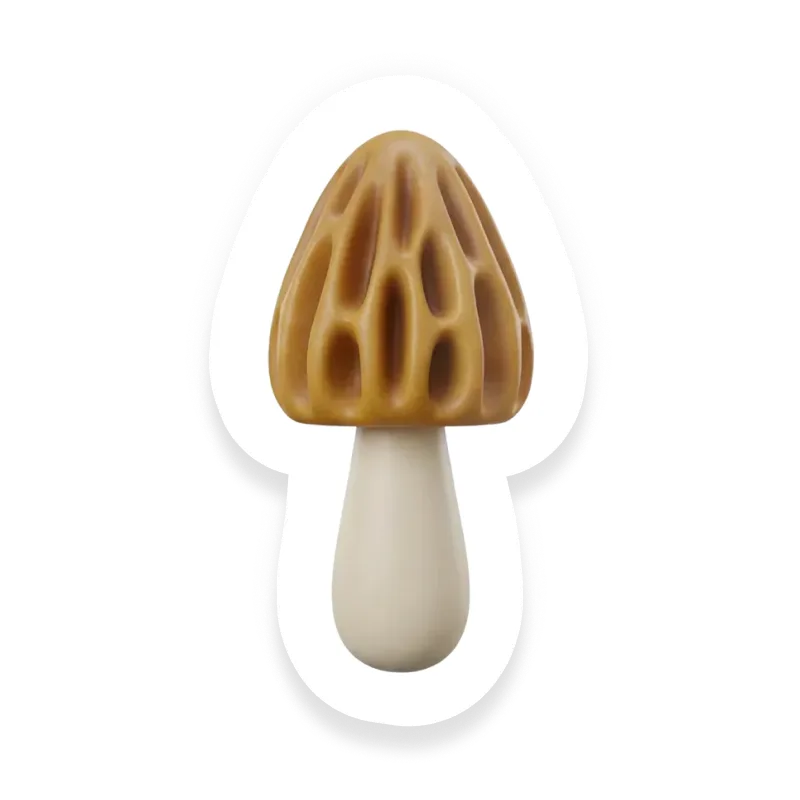
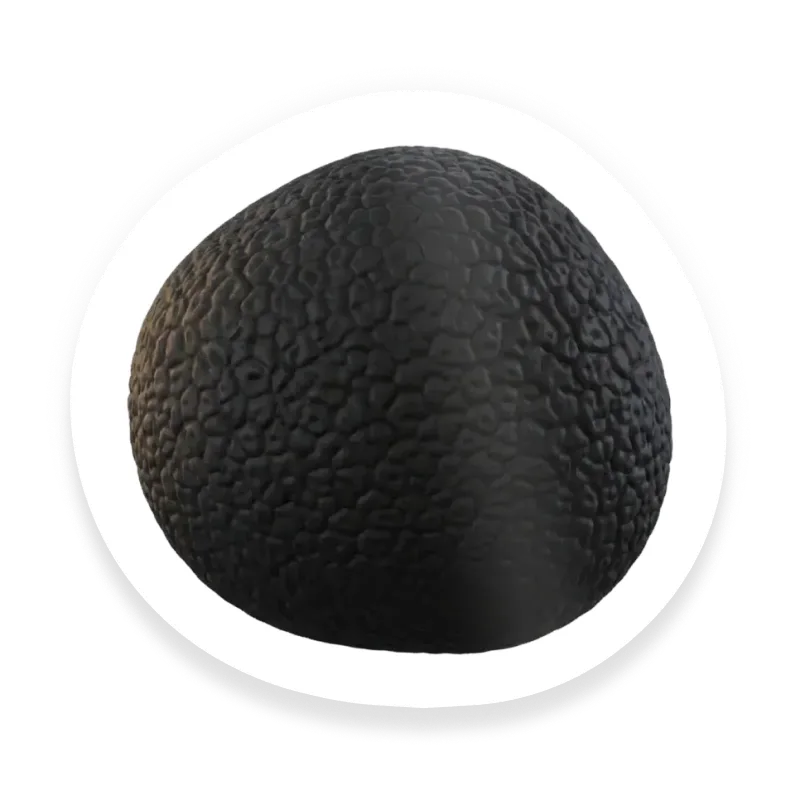
Morel Mushrooms
Fungi
Is Morel Mushrooms Safe for Babies?
Yes, babies can eat thoroughly cooked small amounts of morel mushrooms starting around 6 months, when they are ready to begin solids.
Yes, but there are some things to know
At a Glance
Morel mushrooms are rich in iron, with nutrient analyses showing high iron levels across species, especially on a dry‑weight basis. Iron helps the body make healthy red blood cells, and morels also supply minerals like copper that help the body use iron.
Morel mushrooms are rich in fiber, which adds bulk and helps food move through the gut. They also contain mushroom polysaccharides like beta‑glucans that feed beneficial microbes and support gut health by boosting short‑chain fatty acid production.
How Do You Serve Morel Mushrooms?
- 1Finely chop or mince thoroughly cooked morels and mix a very small amount into familiar, easy-to-grasp foods like egg strips, rice balls, mashed vegetables, porridge, or yogurt so the flavor is introduced while choking risk is minimized.
- 2Offer only tiny, infrequent portions — a pinch per serving is enough. Wait a few days between offers to watch for any allergic or digestive reactions.
- 3Never serve raw or undercooked morels; cook until soft and fully done to reduce food-safety and digestion risks.
- 4Avoid home-foraged mushrooms unless a qualified expert has positively identified them as safe; commercially purchased mushrooms are the safer choice.
- 5Make sure your baby is comfortable with chewing soft solids first; cut any pieces very small and remove tough stems or woody parts.
Is Morel Mushrooms a Common Allergen?
Morel mushrooms are not a common food allergen, but mushroom allergies do occur in rare cases; watch for allergic symptoms (hives, swelling, breathing problems). True morels should always be thoroughly cooked—eating raw or undercooked morels can cause gastrointestinal illness, and false morels contain toxic compounds and must never be eaten. If your child has a known mold/mushroom sensitivity or develops signs of an allergic reaction after eating mushrooms, seek medical help promptly.
What Nutrients Does Morel Mushrooms Have?
Morels are nutrient-dense for their size — good sources of vitamin D, iron, zinc, vitamin B6 and dietary fiber. These nutrients support bone and immune health (vitamin D), blood and neurodevelopment (iron, B6), and gut health (fiber/prebiotic compounds). Offer only small, well‑cooked portions and introduce slowly; large or raw/undercooked servings can cause digestive upset and morels should be offered only occasionally. Nutrient toxicity from normal culinary amounts is unlikely, but watch for rare mushroom allergy or sulfite sensitivity with dried products.
Is Morel Mushrooms a Choking Hazard?
Moderate Choking Risk
Mushrooms are a common choking hazard for babies because of their chewy, rubbery texture and tendency to stay whole in the mouth. Dried mushrooms can be particularly risky if not softened and may be harder for little ones to manage. Always supervise closely at mealtimes and remain within arm’s reach until your child can reliably chew and swallow them.
Have More Questions?
Yes, when thoroughly cooked and given in small amounts occasionally, morel mushrooms can be introduced to babies around 6 months old. Raw or undercooked mushrooms pose health risks and should be avoided.
They originate mainly from the Mediterranean but are now found worldwide. Foraging should only be done by experts, as many poisonous look-alikes exist that can be harmful to babies.
Yes, when well-cooked and offered in small portions occasionally, morel mushrooms are nutritious for babies, providing vitamin D, iron, zinc, and vitamin B6, which support development and health.
Yes, but finely chop and cook thoroughly to reduce choking risk. Avoid giving dried mushrooms without rehydration. Always supervise your baby during feeding.
They are not common allergens, but some individuals may react due to chitin or oral allergy syndrome. Start with small amounts and observe for any adverse reactions.
Is Morel Mushrooms safe for your baby?
Get personalized guidance on introducing Morel Mushrooms — with prep tips, allergen alerts, and age-specific serving ideas.
Sources
- Lagrange, E., & Vernoux, J. P. (2020). Warning on False or True Morels and Button Mushrooms with Potential Toxicity Linked to Hydrazinic Toxins: An Update. Toxins, 12(8), 482. doi.org
- Koivikko, A., & Savolainen, J. (1988). Mushroom allergy. Allergy, 43(1), 1-10. doi.org
- Dauby, P.A., Whisman, B.A., & Hagan, L. (2002). Cross-reactivity between raw mushroom and molds in a patient with oral allergy syndrome. Annals of allergy, asthma & immunology, 89(3), 319–321. doi.org
- Pravettoni, V., Primavesi, L., & Piantanida, M. (2014). Shiitake mushroom (Lentinus edodes): A poorly known allergen in Western countries responsible for severe work-related asthma. International Journal of Occupational Medicine and Environmental Health, 27(5), 871-874. doi.org
- Gabriel, M. F., González-Delgado, P., Postigo, I., Fernández, J., Soriano, V., Cueva, B., & Martínez, J. (2015). From respiratory sensitization to food allergy: Anaphylactic reaction after ingestion of mushrooms (Agaricus bisporus). Medical mycology case reports, 8, 14–16. doi.org
- Branicka, O., Rozłucka, L., & Gawlik, R. (2021). A case of anaphylactic reaction following oyster mushroom (Pleurotus ostreatus) inhalation. International journal of occupational medicine and environmental health, 34(4), 575–579. doi.org
- Lee, C.G. (2009). Chitin, chitinases and chitinase-like proteins in allergic inflammation and tissue remodeling. Yonsei medical journal, 50(1), 22–30. doi.org
- Kayode, O.S., Siew, L., Pillai, P., Haque, R., Rutkowski, K., & Caballero, M. R. (2020). Mushroom allergy: Case series. The journal of allergy and clinical immunology. In practice, 8(1), 375–379. doi.org
- Kashyap, R.R., & Kashyap, R.S. (2015). Oral Allergy Syndrome: An Update for Stomatologists. Journal of allergy, 2015, 543928. doi.org
- Jayachandran, M., Xiao, J., & Xu, B. (2017). A Critical Review on Health Promoting Benefits of Edible Mushrooms through Gut Microbiota. International journal of molecular sciences, 18(9), 1934. doi.org
- Quagliani, D., & Felt-Gunderson, P. (2016). Closing America's Fiber Intake Gap: Communication Strategies From a Food and Fiber Summit. American journal of lifestyle medicine, 11(1), 80–85. doi.org
- Gecan, J.S., & Cichowicz, S.M. (1993). Toxic Mushroom Contamination of Wild Mushrooms in Commercial Distribution. Journal of Food Protection, 56(8), 730-734. doi.org
What Other Fungi Can Babies Eat?
See all →
Backed by Science
Data you can trust.
Every food, guideline, and recommendation in Tummi is sourced from leading health institutions and peer-reviewed research.
 Centers for Disease Control and Prevention
Developmental milestones, nutrition guidelines, and allergen introduction timelines.
 American Academy of Pediatrics
Evidence-based feeding recommendations from the leading pediatric authority.
 National Institutes of Health
Peer-reviewed research on infant nutrition, allergies, and food safety.