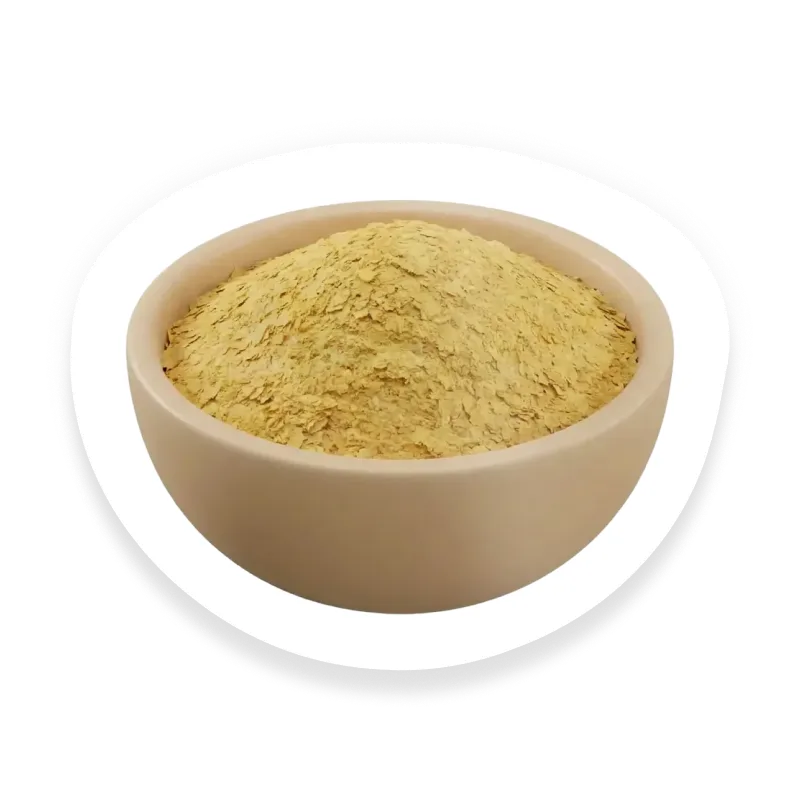
Nutritional Yeast
Fungi
Is Nutritional Yeast Safe for Babies?
Yes, nutritional yeast can be introduced around 6 months of age once babies are ready for solids, in small, prepared amounts.
Yes, but there are some things to know
How Do You Serve Nutritional Yeast?
- 1Stir a small amount of nutritional yeast (flakes, granules, or powder) into warm, cooked vegetables, eggs, pasta, or savory porridges, or sprinkle it onto slippery foods such as mashed avocado to improve texture and add a mild savory flavor.
- 2Start with 1/8–1/4 teaspoon for the first few servings to check tolerance, and increase slowly only if well tolerated.
- 3Mix into soft, fully cooked foods and, if needed, mash or add a little liquid so the texture stays smooth. Avoid dry clumps that could pose a choking risk.
- 4Watch for any adverse reaction (rash, vomiting, swelling, or unusual fussiness) during and after meals and stop use if concerns arise; stay within arm’s reach while the child is eating.
Is Nutritional Yeast a Common Allergen?
Nutritional yeast is not a common food-allergen and is typically free of dairy, egg, nut, peanut, shellfish, fish, sesame, and soy; it is naturally gluten-free but cross-contact can occur, so choose a certified gluten‑free product if needed. People with yeast or mold sensitivities should avoid it, and some individuals may get headaches or flushing (tyramine/free glutamate reactions). Always read the product label for manufacturing allergen statements and cross-contact warnings.
What Nutrients Does Nutritional Yeast Have?
Nutritional yeast is a nutrient-dense seasoning: it supplies modest protein and fiber and—when fortified—concentrated B vitamins (including B12 and folate) plus riboflavin, niacin, B6 and trace minerals. For babies, the B vitamins (especially B12 and folate) support energy metabolism and neurodevelopment and can be a helpful source of B12 for plant-forward families. Used as a seasoning in small amounts it’s unlikely to cause excess intake, but avoid heavy daily overuse of fortified products and keep powdered forms away from a baby’s face (can irritate asthma/allergies); introduce a small amount and watch for reactions.
Is Nutritional Yeast a Choking Hazard?
Very Low Choking Risk
Nutritional yeast poses a low choking risk overall, but any food can become hazardous depending on a baby’s age and chewing ability. Always supervise mealtimes and keep baby seated upright so you can watch for signs they’re struggling to chew or swallow. Be cautious with loose powder that could be inhaled and be prepared to act quickly with first aid and emergency services if choking or breathing difficulty occurs.
Have More Questions?
It depends. Nutritional yeast can be added to baby foods in small amounts after 6 months, but always introduce new foods gradually and watch for any adverse reactions.
It depends. While nutritional yeast is nutritious, it should be introduced gradually, and in small quantities, to monitor for any sensitivities or reactions.
It depends. Nutritional yeast is safe for babies when used in moderation, but consulting your pediatrician before regular use is recommended.
It depends. The texture of nutritional yeast flakes might be too coarse for some babies; finely blending or mixing it into foods can help.
It depends. As with any new food, start with a small amount, and observe your baby for any allergic reactions or digestive issues.
Is Nutritional Yeast safe for your baby?
Get personalized guidance on introducing Nutritional Yeast — with prep tips, allergen alerts, and age-specific serving ideas.
Sources
- Starting Solid Foods - HealthyChildren.org (AAP) healthychildren.org
- Choking Prevention for Babies & Children - HealthyChildren.org healthychildren.org
- Choking Hazards | Infant and Toddler Nutrition - CDC cdc.gov
- Nutritional Yeast: Nutrients, Health Benefits, and Uses - Healthline healthline.com
- Nutritional yeast - Wikipedia en.wikipedia.org
- Nutritional Yeast: Is it good for you? - WebMD webmd.com
What Other Fungi Can Babies Eat?
See all →

Backed by Science
Data you can trust.
Every food, guideline, and recommendation in Tummi is sourced from leading health institutions and peer-reviewed research.
 Centers for Disease Control and Prevention
Developmental milestones, nutrition guidelines, and allergen introduction timelines.
 American Academy of Pediatrics
Evidence-based feeding recommendations from the leading pediatric authority.
 National Institutes of Health
Peer-reviewed research on infant nutrition, allergies, and food safety.