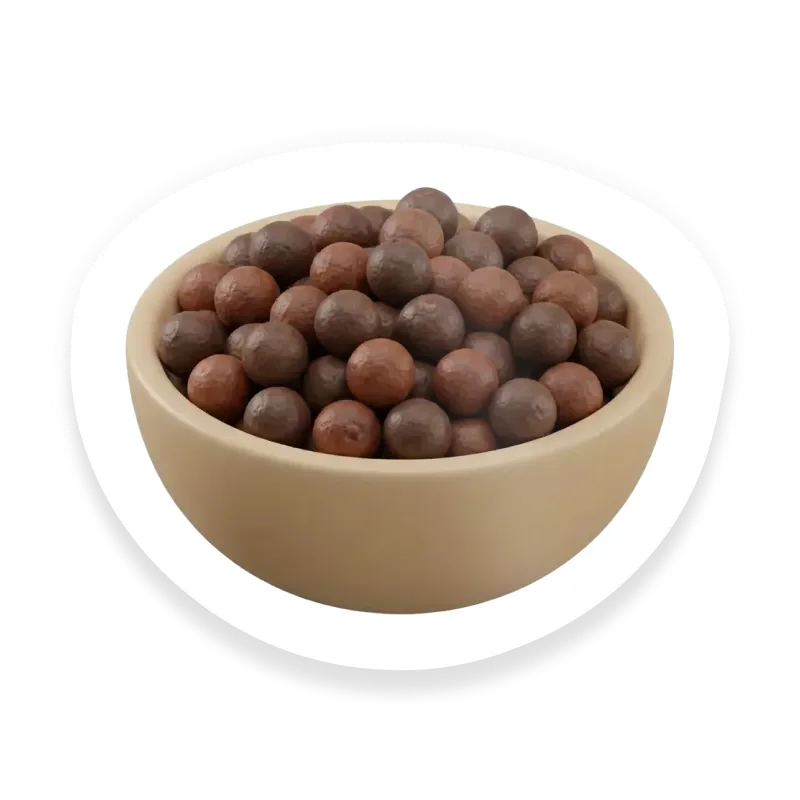
Allspice
Herb/Spice
Is Allspice Safe for Babies?
Yes, allspice can be introduced around 6 months when starting solids; use small amounts in cooking, avoiding essential oils.
Yes, but there are some things to know
How Do You Serve Allspice?
- 1Use a very small pinch of finely ground allspice to lightly flavor cooked chicken, spiced plantains, or soft toast strips—start with less than you expect and increase gradually if tolerated.
- 2If using whole allspice berries, add them to simmering sauces or stews to infuse flavor, then remove whole berries before serving to eliminate choking risk.
- 3Offer foods in soft, age-appropriate textures and supervise closely at meals to reduce choking hazards.
- 4After first exposures, watch for any skin, mouth, or breathing reactions; stop use and seek medical advice if you notice hives, swelling, vomiting, or difficulty breathing.
Is Allspice a Common Allergen?
Allspice itself is not one of the major food allergens and is generally safe for most children. However, spices can rarely cause allergic or respiratory reactions (e.g., contact dermatitis or wheeze) in sensitive individuals, and commercial spice blends or processing may introduce cross-contamination with other allergens. Always check product labels for ingredient blends and 'may contain' warnings, and avoid use if your child has a known spice or spice-related sensitivity. If you suspect an allergic reaction after exposure, seek medical advice.
What Nutrients Does Allspice Have?
Allspice supplies only trace amounts of vitamins and minerals (small amounts of calcium, potassium, iron and dietary fiber) but is most notable for plant compounds such as eugenol, quercetin and tannins that provide antioxidant and anti‑inflammatory effects. In the tiny amounts used to season baby foods it doesn’t contribute significant calories or macronutrients but can add flavor and antioxidant benefits. It is not an iron‑rich food, and parents should use ground allspice sparingly—large amounts or essential oils can irritate the gut, trigger contact or inhalant reactions, or cause allergic responses in sensitive children. Use whole berries only to flavor cooking liquids (remove before serving) to avoid choking.
Is Allspice a Choking Hazard?
Very Low Choking Risk
Whole allspice berries are small and very firm, making them a choking hazard—remove any whole berries before offering foods to babies. Finely ground allspice has much lower choking risk, but always supervise closely and keep baby within arm’s reach during meals.
Have More Questions?
Yes. Allspice can be introduced to babies around 6 months when they start solids, but avoid using essential oil due to limited safety research.
Yes. Allspice is safe in typical culinary amounts for babies, but avoid using its essential oil which may not be safe.
Yes. Allspice provides small amounts of nutrients and plant compounds with potential health benefits, making it a healthy addition in moderation.
No. Allergies to allspice are rare, but some children might experience delayed contact allergy or skin irritation.
Yes. Whole allspice berries pose a choking hazard for babies; always prepare and serve in a safe manner suitable for their age.
Is Allspice safe for your baby?
Get personalized guidance on introducing Allspice — with prep tips, allergen alerts, and age-specific serving ideas.
Sources
- Generally Recognized as Safe (GRAS) - U.S. Food & Drug Administration fda.gov
- Medicinal Properties of the Jamaican Pepper Plant Pimenta dioica and Allspice (Zhang & Lokeshwar, 2012) pmc.ncbi.nlm.nih.gov
- Natural Medicines Database - Allspice naturalmedicines.therapeuticresearch.com
- Occupational allergic contact dermatitis from spices (Kanerva et al., 1996) onlinelibrary.wiley.com
- Severe allergic reaction to allspice, a hidden food allergen (Regula et al., 2022) doi.org
- Contact allergy to spices (van den Akker et al., 1990) repub.eur.nl
- Natural Flavoring and Spices - Kids With Food Allergies kidswithfoodallergies.org
- Can Spices Cause Allergic Reactions? - American Academy of Allergy, Asthma & Immunology aaaai.org
- Delayed-type allergy to spices (Niinimäki, 1984) pubmed.ncbi.nlm.nih.gov
What Other Herb/Spice Can Babies Eat?
See all →
Backed by Science
Data you can trust.
Every food, guideline, and recommendation in Tummi is sourced from leading health institutions and peer-reviewed research.
 Centers for Disease Control and Prevention
Developmental milestones, nutrition guidelines, and allergen introduction timelines.
 American Academy of Pediatrics
Evidence-based feeding recommendations from the leading pediatric authority.
 National Institutes of Health
Peer-reviewed research on infant nutrition, allergies, and food safety.