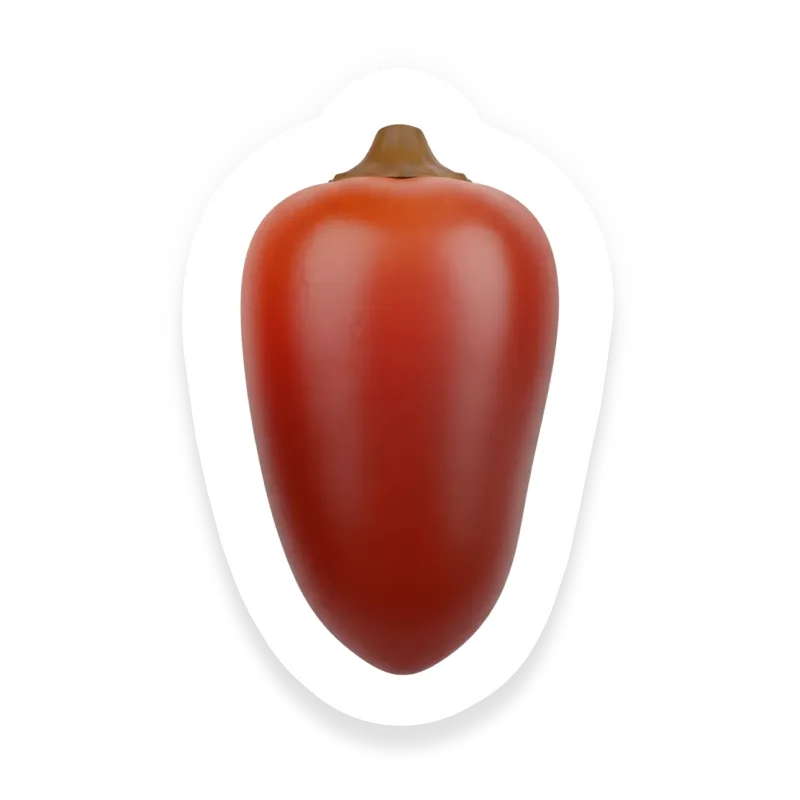
Chipotle Pepper
Herb/Spice
Is Chipotle Pepper Safe for Babies?
No, babies can be introduced to chipotle peppers around 6 months, but start with small amounts and remove seeds to reduce spiciness.
Yes, but there are some things to know
How Do You Serve Chipotle Pepper?
- 1Start with a very tiny taste — offer a smear or about 1/8 teaspoon of finely mashed or pureed food mixed with a pinch of finely chopped chipotle or powder so the focus is on flavor, not heat.
- 2Always combine the chipotle with a creamy base like mashed avocado, plain yogurt, or a little breast/formula milk to blunt the spice and reduce irritation.
- 3Offer this only after the child has tolerated several other single-ingredient solids and on a calm, alert day; watch closely for any immediate reaction for at least 2–3 hours.
- 4Use only smooth purees or very small, soft pieces and avoid whole chiles or hot sauces. If the child coughs, gags, has trouble breathing, or develops a rash, stop and seek help if symptoms are severe.
- 5Introduce spicy foods only occasionally at first and increase slowly based on tolerance before making them a regular part of meals.
Is Chipotle Pepper a Common Allergen?
Chipotle is not a common allergen, but it’s a spicy nightshade that can irritate the mouth, throat, and stomach and may cause sensitivity in some children. Processed forms (e.g., chipotle in adobo) often include other ingredients—tomato, oils, garlic/onion powders, and spices—so check labels for potential allergens or cross‑contamination. Introduce only after baby is ready for solids (about 6 months), start with very small amounts, and watch for rash, breathing changes, or GI upset. If your child has reflux, eczema, or known spice sensitivity, consult your pediatrician before offering.
What Nutrients Does Chipotle Pepper Have?
Chipotle peppers provide vitamin C, provitamin A (beta‑carotene), antioxidants, and small amounts of fiber and minerals, but are not considered iron-rich. For babies, vitamin C supports immunity and enhances iron absorption from other foods, while vitamin A and antioxidants help vision and cellular health; small amounts can also introduce flavor variety. Offer only tiny amounts because capsaicin can cause irritation, digestive upset, or worsen diaper rash if consumed in excess.
Is Chipotle Pepper a Choking Hazard?
Very Low Choking Risk
Chipotle peppers are not commonly a choking hazard when offered in soft, finely prepared forms, but whole or large pieces could pose a risk. Their spiciness can trigger coughing, gagging, or excess salivation, which may increase the chance of gagging episodes. Stay within arm’s reach, watch for babies rubbing their eyes or faces, and remove any large pieces to reduce choking risk.
Have More Questions?
Yes. Babies can eat chipotle peppers once they are accustomed to solids and tolerate spicy flavors, but start with small amounts and remove seeds to reduce heat.
Yes. Originating from the Americas, chipotle peppers are smoked and dried jalapeños, adding smoky flavor to dishes, suitable for babies when prepared properly.
Yes. Chipotle peppers provide vitamin C, antioxidants, and small amounts of fiber and vitamins A, supporting immune function and digestion in babies.
No. Finely chopped, chipotle peppers are not a choking hazard, but their heat can cause coughing; always serve with neutral foods to balance spiciness.
No. Allergies to chipotle peppers are rare; reactions are usually irritation from capsaicin, not true allergies, but monitor for any signs of sensitivity.
Is Chipotle Pepper safe for your baby?
Get personalized guidance on introducing Chipotle Pepper — with prep tips, allergen alerts, and age-specific serving ideas.
Sources
- Effect of the smoking process and firewood type in the phytochemical content and antioxidant capacity of red Jalapeño pepper during its transformation to chipotle pepper doi.org
- Putting out the fire - Efficacy of common beverages in reducing oral burn from capsaicin doi.org
- Bell Pepper Allergy: Different Sensitization Profiles doi.org
- Anaphylactic reaction to bell pepper (Capsicum annuum) in a patient with a latex-fruit syndrome doi.org
- Capsaicin: An Uncommon Exposure and Unusual Treatment doi.org
- Capsaicin: Current Understanding of Its Mechanisms and Therapy of Pain and Other Pre-Clinical and Clinical Uses doi.org
- Mixed Spices at Culinary Doses Have Prebiotic Effects in Healthy Adults: A Pilot Study doi.org
- A single serving of mixed spices alters gut microflora composition: a dose–response randomised trial doi.org
- The effects of capsaicin on reflux, gastric emptying and dyspepsia doi.org
- Characterization of cross-reactive bell pepper allergens involved in the latex-fruit syndrome doi.org
- Allergic sensitization and clinical reactions to latex, food and pollen in adult patients doi.org
- Oral Allergy Syndrome: An Update for Stomatologists doi.org
What Other Herb/Spice Can Babies Eat?
See all →



Backed by Science
Data you can trust.
Every food, guideline, and recommendation in Tummi is sourced from leading health institutions and peer-reviewed research.
 Centers for Disease Control and Prevention
Developmental milestones, nutrition guidelines, and allergen introduction timelines.
 American Academy of Pediatrics
Evidence-based feeding recommendations from the leading pediatric authority.
 National Institutes of Health
Peer-reviewed research on infant nutrition, allergies, and food safety.