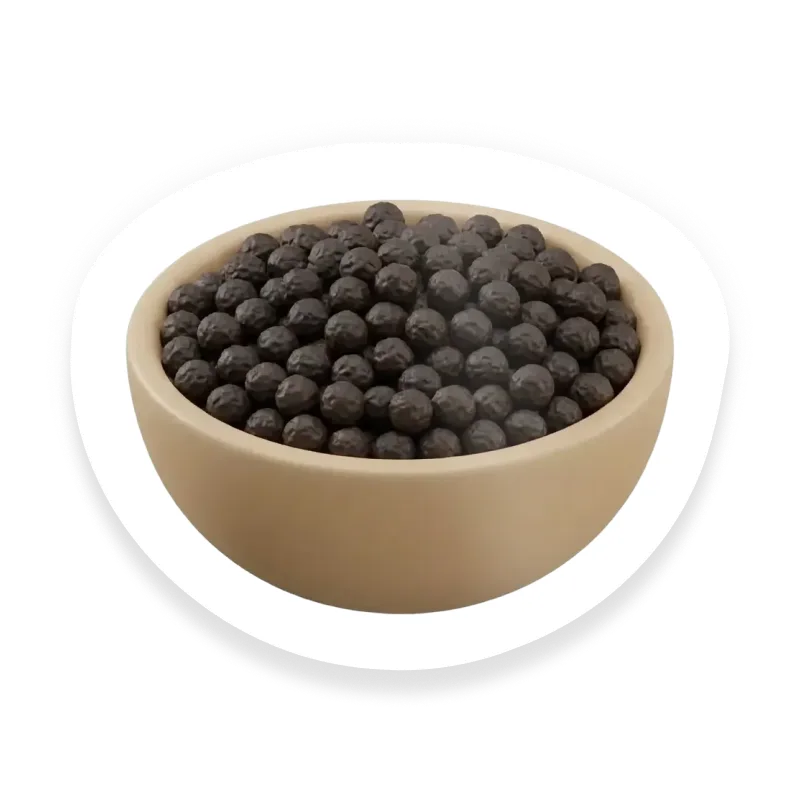
Black Pepper
Herb/Spice
Is Black Pepper Safe for Babies?
Yes, black pepper can be introduced around 6 months, in small amounts, when baby is starting solids.
Yes, but there are some things to know
How Do You Serve Black Pepper?
- 1Offer a very small pinch of finely ground black pepper mixed into lightly seasoned foods so the flavor is mild and evenly distributed.
- 2Remove any whole peppercorns before serving and avoid adding pepper directly on top, which can be too strong.
- 3Introduce pepper gradually across several meals—start with a tiny amount and increase only if there are no signs of upset; watch for reactions.
- 4Cook pepper into the dish and pair it with bland, familiar foods; skip heavily spiced or oily dishes until tolerance is established.
Is Black Pepper a Common Allergen?
Black pepper is not a common food allergen, but spice allergies can occur — proteins in pepper (e.g., piperine, PR-10 proteins, profilins) may trigger reactions in susceptible individuals. Symptoms can include mouth or throat itching, hives, swelling, gastrointestinal upset, and rarely breathing difficulties; inhaling ground pepper can also irritate the airways. There can be cross-reactivity with other plant/pollen allergens, so parents should watch for reactions after exposure and seek urgent care for any breathing or facial swelling. If concerned, avoid black pepper and consult an allergist for testing and personalized advice.
What Nutrients Does Black Pepper Have?
Black pepper contains only trace amounts of vitamins A, C and E and small amounts of minerals, so it’s not a significant source of calories or micronutrients for babies; however, its active compound piperine can modestly enhance absorption of iron and calcium when eaten together with those foods. In culinary amounts it may offer antioxidant benefits and help babies experience varied flavors, but large quantities aren’t necessary and concentrated forms (supplements or essential oils) should be avoided. Use sparingly—watch for mild mouth or skin irritation in sensitive children—but there’s no nutritional harm from ordinary seasoning amounts.
Is Black Pepper a Choking Hazard?
Very Low Choking Risk
Black pepper presents a low choking risk for babies when prepared appropriately; however, whole peppercorns are a choking hazard and should not be accessible in a baby’s portion. As with any food, stay within arm’s reach and closely supervise feeding. Be familiar with basic choking first aid so you can respond quickly if needed.
Have More Questions?
Yes. Black pepper can be safely introduced to babies around 6 months old in small amounts, but always start with tiny quantities to assess tolerance.
Yes. Black pepper is generally safe for babies when used in typical culinary amounts; avoid concentrated forms like oils or supplements.
Yes. While black pepper contains antioxidants and vitamins in trace amounts, its main benefit lies in flavoring foods, not nutritional contribution.
No. Allergies to black pepper are rare, but monitor for skin irritation or unusual reactions, especially if your child has other food sensitivities.
No. Black pepper, when used in typical culinary amounts and prepared appropriately, does not pose a choking risk for babies.
Is Black Pepper safe for your baby?
Get personalized guidance on introducing Black Pepper — with prep tips, allergen alerts, and age-specific serving ideas.
Sources
- Enhanced intestinal uptake of iron, zinc and calcium in rats fed pungent spice principles--piperine, capsaicin and ginger (Prakash & Srinivasan, 2013) doi.org
- Black pepper and its pungent principle—piperine: A review of diverse physiological effects (Srinivasan, 2007) doi.org
- Iron and Physical Activity: Bioavailability Enhancers, Properties of Black Pepper (Bioperine®) and Potential Applications (Fernández-Lázaro et al., 2020) doi.org
- Spices for Prevention and Treatment of Cancers (Zheng et al., 2016) doi.org
- Antibacterial mechanism and activities of black pepper chloroform extract (Zou et al., 2015) doi.org
- Piperine: a comprehensive review of methods of isolation, purification, and biological properties (Tiwari et al., 2020) doi.org
- Cross-reactivity of pink peppercorn in cashew and pistachio allergic individuals (Too et al., 2019) doi.org
- Development of mouse model for oral allergy syndrome... (Kamei et al., 2022) doi.org
What Other Herb/Spice Can Babies Eat?
See all →


Backed by Science
Data you can trust.
Every food, guideline, and recommendation in Tummi is sourced from leading health institutions and peer-reviewed research.
 Centers for Disease Control and Prevention
Developmental milestones, nutrition guidelines, and allergen introduction timelines.
 American Academy of Pediatrics
Evidence-based feeding recommendations from the leading pediatric authority.
 National Institutes of Health
Peer-reviewed research on infant nutrition, allergies, and food safety.