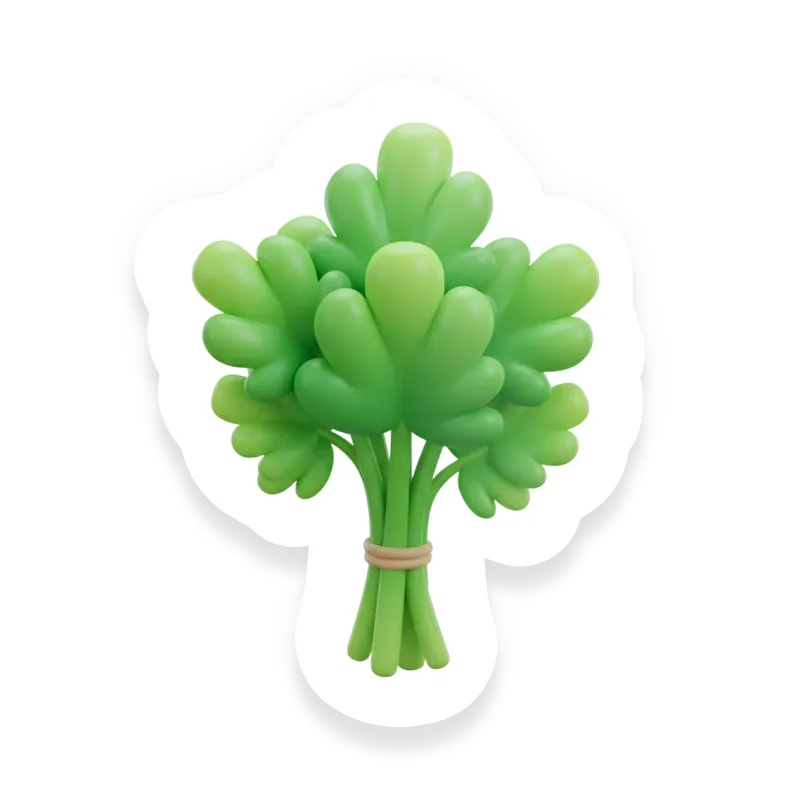
Cilantro (Coriander)
Herb/Spice
Is Cilantro (Coriander) Safe for Babies?
Yes, cilantro can be introduced around 6 months of age once the baby is ready for solids, prepared fresh and in small amounts.
Yes, but there are some things to know
How Do You Serve Cilantro (Coriander)?
- 1Rinse cilantro well, pat dry, and discard thick woody stems; chop leaves and tender stems very finely.
- 2Blend cilantro into sauces, dressings, or yogurt until smooth and stir into steamed vegetables, flaked poached fish, or shredded chicken for even flavor.
- 3Finely mince and fold cilantro into soft, scoopable foods like mashed vegetables, rice, or yogurt so pieces are tiny and easy to manage.
- 4Start with a small amount and wait 48–72 hours before increasing to watch for reactions; introduce gradually if this is a first exposure.
- 5Always supervise meals and offer small sips from an open cup if mild gagging happens, and continue to observe the baby.
Is Cilantro (Coriander) a Common Allergen?
Cilantro (coriander) is not a common major food allergen, but people with pollen allergies (for example birch or mugwort) or sensitivities to plants in the Apiaceae family (like celery) can get oral allergy syndrome—itching or swelling of the mouth/throat after eating raw cilantro. Contact dermatitis from handling cilantro and rare systemic reactions (including anaphylaxis) have been reported. If a child develops hives, facial or throat swelling, vomiting, or breathing difficulty after touching or eating cilantro, seek immediate medical care and follow up with an allergist.
What Nutrients Does Cilantro (Coriander) Have?
Cilantro is rich in vitamin K and provides vitamin A, vitamin C, folate and antioxidants—nutrients that support bone health, vision, immune function and cell growth. Because cilantro is usually used in small amounts, it contributes modestly to a baby’s overall nutrient intake but is a useful way to introduce flavors and micronutrients. Coriander seeds contain small amounts of minerals (calcium, phosphorus, iron) and lysine, but cilantro itself is not iron-rich; toxicity is unlikely from normal culinary use—just wash well and introduce small amounts to check for sensitivity.
Is Cilantro (Coriander) a Choking Hazard?
Very Low Choking Risk
Cilantro presents a low choking risk, but whole leaves can stick to a baby’s tongue or mouth and may cause gagging or coughing. Stay within arm’s reach during meals and watch closely for signs of gagging or choking. If gagging occurs, offering a small sip of water can help clear the mouth, and be prepared to provide first-aid if needed.
Have More Questions?
Yes, cilantro can be introduced to babies around 6 months old when solids are started. It is a versatile herb that can flavor a variety of dishes suitable for infants.
Yes, cilantro provides some vitamins like vitamin A and vitamin K, and contains antioxidants, making it a healthy addition in small amounts once babies are ready for solids.
No, cilantro is not a common allergen, but some sensitive individuals might react, especially if they have pollen allergies or Oral Allergy Syndrome. Start with small amounts to check tolerability.
No, cilantro is not a choking hazard if prepared properly for babies. Serve it in a finely chopped or pureed form suitable for your child's developmental stage.
No, cilantro does not contain compounds that cause soapiness in most people; however, taste perceptions vary due to genetics and environmental factors, which can affect how some babies might perceive cilantro.
Is Cilantro (Coriander) safe for your baby?
Get personalized guidance on introducing Cilantro (Coriander) — with prep tips, allergen alerts, and age-specific serving ideas.
Sources
- Antioxidant and free radical scavenging activities of some leafy vegetables doi.org
- Anaphylaxis following cilantro ingestion doi.org
- Immunological and respiratory findings in spice-factory workers doi.org
- Genetic analysis of chemosensory traits in human twins doi.org
- A genetic variant near olfactory receptor genes influences cilantro preference doi.org
What Other Herb/Spice Can Babies Eat?
See all →
Backed by Science
Data you can trust.
Every food, guideline, and recommendation in Tummi is sourced from leading health institutions and peer-reviewed research.
 Centers for Disease Control and Prevention
Developmental milestones, nutrition guidelines, and allergen introduction timelines.
 American Academy of Pediatrics
Evidence-based feeding recommendations from the leading pediatric authority.
 National Institutes of Health
Peer-reviewed research on infant nutrition, allergies, and food safety.