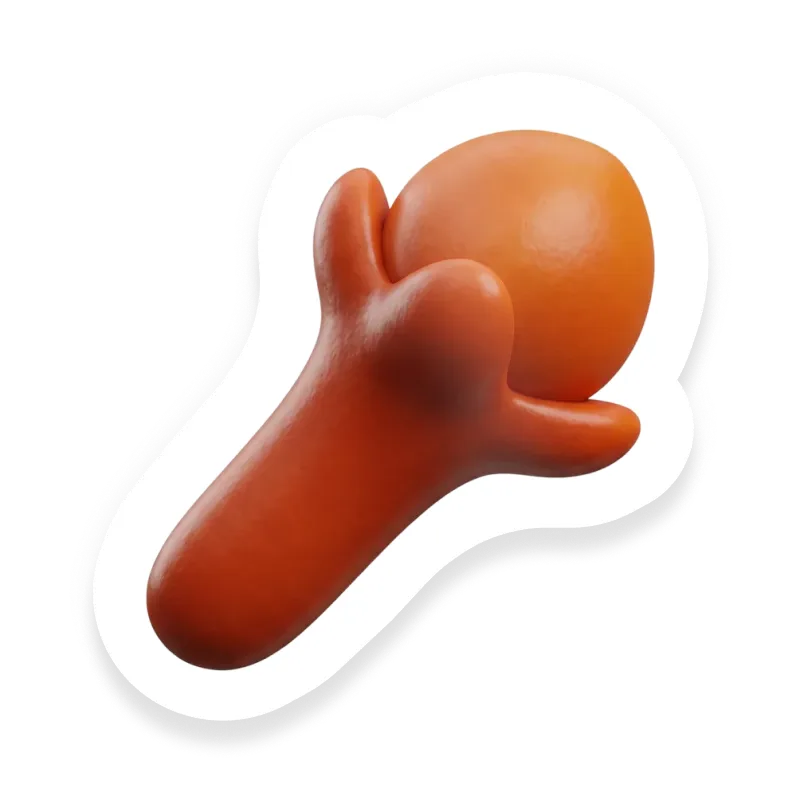
Cloves
Herb/Spice
Is Cloves Safe for Babies?
Yes, cloves can be introduced around 6 months if cooked and cloves are removed before serving; avoid clove oil for babies.
Yes, but there are some things to know
How Do You Serve Cloves?
- 1Use a very small pinch (about 1/16 teaspoon) of finely ground clove and mix it into soft foods like congee, mashed vegetables, tofu strips, or batter so the flavor is evenly distributed.
- 2Start with the tiniest amount and wait 3–5 days after each introduction to watch for any allergic reaction or digestive upset.
- 3Never serve whole cloves — remove them after cooking to eliminate choking risk, and do not use clove oil or concentrated extracts for babies and young children.
- 4If you’re unsure about amounts or your child has eczema, a family history of food allergy, or shows any reaction signs, consult your pediatrician before offering clove.
Is Cloves a Common Allergen?
Cloves are not one of the common top allergens (milk, egg, peanut, tree nuts, soy, wheat/gluten, fish, shellfish, sesame) and are generally safe for most children when used in small amounts as a spice. However, cloves and other spices can cause contact dermatitis, oral allergy syndrome, or respiratory irritation in sensitive individuals. Concentrated clove oil may be irritating and should be avoided on infants or on broken skin. If a child has a history of spice sensitivity or unexplained reactions to seasonings, introduce cloves cautiously and consult an allergist if symptoms occur.
What Nutrients Does Cloves Have?
Nutrient snapshot: Cloves are a nutrient-dense spice in small amounts—not a staple source of calories but a notable source of manganese and dietary fiber, with small amounts of calcium, iron, magnesium, and antioxidants (notably eugenol). For babies, these trace minerals can contribute to bone and enzyme function and provide antioxidant benefits, but the amounts in culinary use are very small—use only a tiny pinch or ground clove in age-appropriate foods. Do not use clove oil or concentrated extracts (can be toxic); avoid large or whole cloves because of choking and concentrated eugenol exposure. Start with very small amounts and watch for contact or digestive reactions.
Is Cloves a Choking Hazard?
Very Low Choking Risk
Whole cloves are small, round, and very firm, which makes them a significant choking hazard for babies. When foods are flavored with cloves, stay within arm’s reach and keep baby seated upright while they eat so you can intervene quickly if needed. Caregivers should learn the signs of choking and know infant rescue maneuvers or have quick access to emergency help.
Have More Questions?
Yes. Cloves are generally safe in cooking amounts for babies over 6 months. However, avoid offering clove oil, as it can be toxic and cause adverse reactions.
Yes. Cloves can be used in cooking for babies 6 months and older, but always remove whole cloves before serving to reduce choking risk. Avoid using clove oil for infants.
Yes. Cloves are safe when used in food preparations for babies, but do not give them as a supplement or use clove oil, which can be dangerous in concentrated form.
It depends. Cloves are safe in small culinary amounts, but make sure to remove whole cloves if cooking with them for a baby to prevent choking. Clove oil should be avoided entirely.
Yes. You can store dried cloves in an airtight container in a cool, dark place to keep them fresh for cooking and food preparation for your baby.
Is Cloves safe for your baby?
Get personalized guidance on introducing Cloves — with prep tips, allergen alerts, and age-specific serving ideas.
Sources
- Clove oil ingestion in an infant (Lane et al., 1991) doi.org
- Near fatal ingestion of oil of cloves (Hartnoll et al., 1993) doi.org
- LiverTox: Eugenol (Clove Oil) ncbi.nlm.nih.gov
- U.S. Food & Drug Administration — Generally Recognized as Safe (GRAS) fda.gov
- Teething: Facts and Fiction (Markman, 2009) doi.org
- Clove (Syzygium aromaticum): a precious spice (Cortés-Rojas et al., 2014) doi.org
- Molecular Basis of the Therapeutical Potential of Clove (Vicidomini et al., 2021) doi.org
- Contact allergy to spices (van den Akker et al., 1990) doi.org
- Can Spices Cause an Allergic Reaction? (American Academy of Allergy Asthma & Immunology) aaaai.org
What Other Herb/Spice Can Babies Eat?
See all →
Backed by Science
Data you can trust.
Every food, guideline, and recommendation in Tummi is sourced from leading health institutions and peer-reviewed research.
 Centers for Disease Control and Prevention
Developmental milestones, nutrition guidelines, and allergen introduction timelines.
 American Academy of Pediatrics
Evidence-based feeding recommendations from the leading pediatric authority.
 National Institutes of Health
Peer-reviewed research on infant nutrition, allergies, and food safety.