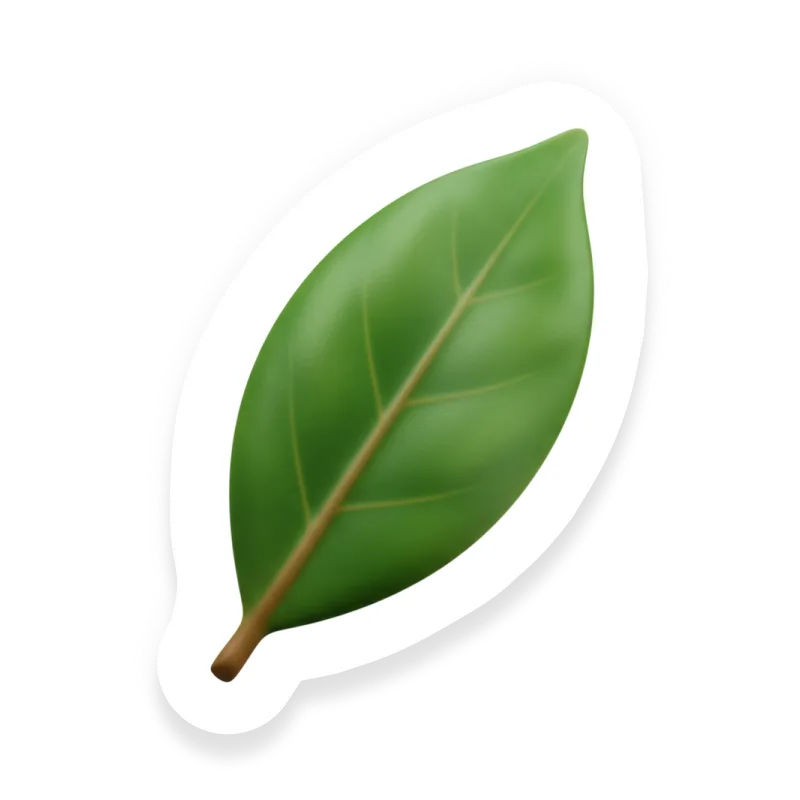
Bay Leaf
Herb/Spice
Is Bay Leaf Safe for Babies?
Yes, bay leaf can be introduced around 6 months when ready for solids; remove whole leaves before serving to reduce choking risk.
Yes, but there are some things to know
How Do You Serve Bay Leaf?
- 1Cook bay leaves into soups, stews, or grains to infuse flavor, then always remove and discard any whole leaves before serving because they stay stiff and can cause choking.
- 2To keep the flavor without removing leaves, use a small pinch of ground bay leaf mixed into the dish; there's no need to strain out the ground herb.
- 3Serve only soft, appropriately mashed or spoonable portions and avoid giving any visible leaf pieces—check texture and cool food to a safe temperature.
- 4Introduce new flavors in small amounts, watch for any adverse reactions, and always supervise mealtime.
Is Bay Leaf a Common Allergen?
Bay leaf is not a common food allergen but can cause allergic reactions in sensitized individuals (skin contact or respiratory symptoms) because it contains compounds like eugenol. Whole bay leaves should be removed before serving as they can be a choking hazard for young children; ground bay leaf avoids that risk. Avoid burning bay leaves or using concentrated bay essential oils around children or people with respiratory/spice allergies, as inhalation can irritate sensitive airways. If you suspect an allergic reaction to bay leaf, consult a healthcare provider for evaluation and testing.
What Nutrients Does Bay Leaf Have?
Bay leaves provide negligible calories or macronutrients but contain phytochemicals (phenols and flavonoids) and trace vitamins (A, C) and minerals (calcium, magnesium, trace iron). The main benefit for babies is flavoring and potential antioxidant/anti-inflammatory effects from these compounds rather than a meaningful nutrient contribution. Because bay leaf is used sparingly, infants won’t gain significant nutrients from it, and concentrated forms (like tea) should be avoided for babies under 12 months; excessive consumption could cause gastrointestinal upset or expose infants to high levels of essential oils. Always remove whole leaves before serving to avoid choking.
Is Bay Leaf a Choking Hazard?
Elevated Choking Risk
Whole bay leaves are firm, leathery, and can remain intact even after cooking, so they present a significant choking hazard and can potentially scratch or lodge in the throat or esophagus. Be vigilant when baby is eating family foods—check their portion closely and stay within arm’s reach during meals. Watch for coughing, gagging, or trouble handling food and respond promptly, as these can be signs of choking.
Have More Questions?
Yes. Bay leaf can be introduced around 6 months when starting solids, but it must be removed from dishes before serving to prevent choking.
Yes, bay leaf is healthy for babies as it contains compounds with potential anti-inflammatory, antimicrobial, and antioxidant benefits.
No. While rare, some individuals can develop contact rashes or respiratory symptoms from dried bay leaf; always watch for reactions.
Yes, whole bay leaves can be a choking hazard for babies due to their firmness and sharpness; always remove them before serving.
After age 1, you can offer bay leaf tea in a cooled, non-hot cup, but do not give other herbal teas to babies under 12 months.
Is Bay Leaf safe for your baby?
Get personalized guidance on introducing Bay Leaf — with prep tips, allergen alerts, and age-specific serving ideas.
Sources
- Bay Leaf (Medicinal Plants of South Asia, Batool et al., 2020) doi.org
- Natural Medicines Database — Bay Leaf naturalmedicines.therapeuticresearch.com
- Bay leaf phytodermatitis (Vassileva & Darlenski, 2021) doi.org
- Occupational asthma caused by aromatic herbs (Lemière et al., 1996) doi.org
- Bay Leaf: An Uncommon Foreign Body of the Hypopharynx (Awerbuck et al., 1994) doi.org
What Other Herb/Spice Can Babies Eat?
See all →
Backed by Science
Data you can trust.
Every food, guideline, and recommendation in Tummi is sourced from leading health institutions and peer-reviewed research.
 Centers for Disease Control and Prevention
Developmental milestones, nutrition guidelines, and allergen introduction timelines.
 American Academy of Pediatrics
Evidence-based feeding recommendations from the leading pediatric authority.
 National Institutes of Health
Peer-reviewed research on infant nutrition, allergies, and food safety.