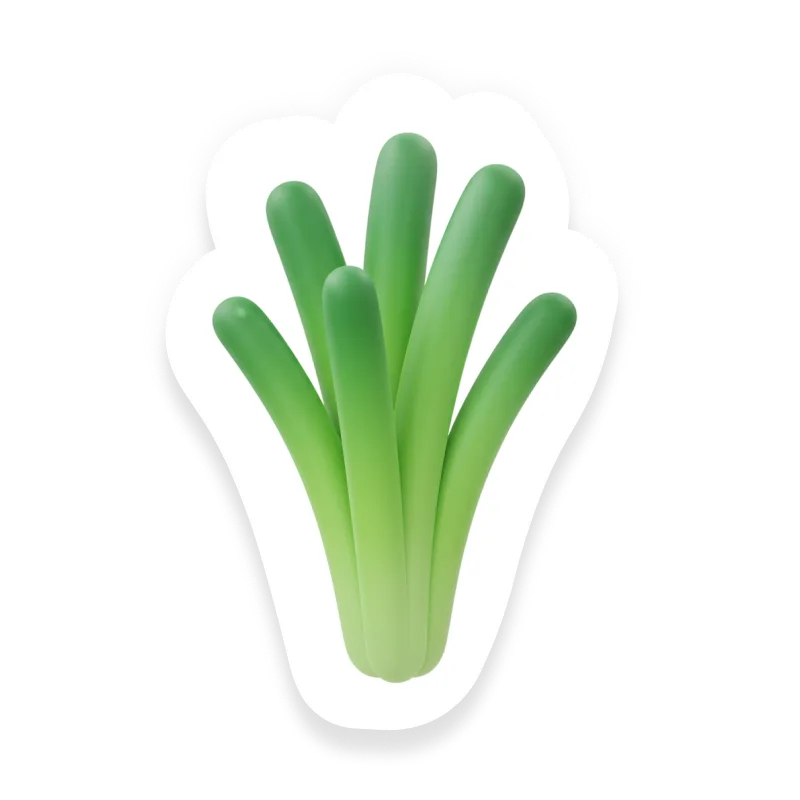
Chives
Herb/Spice
Is Chives Safe for Babies?
No, babies can have chives starting at around 6 months; chop finely and introduce in small amounts as part of a varied diet.
Yes, but there are some things to know
How Do You Serve Chives?
- 1Finely wash and mince chives (including chive flowers) into very small pieces, then fold them into soft, scoopable foods like rice porridge, mashed vegetables, plain yogurt, or scrambled eggs so the herb is evenly distributed.
- 2Start with a very small amount (about 1/8 teaspoon per serving) and offer one small portion the first time to check tolerance.
- 3After the initial serving, wait 2–3 days before offering larger amounts and watch for any signs of allergy or stomach upset.
- 4Ensure the food remains soft and scoopable and that chives are finely chopped to reduce any choking risk.
- 5If your family has a history of food sensitivities or allergies, consult your pediatrician before introducing new herbs.
Is Chives a Common Allergen?
Chives are not a common priority allergen (not in nuts, peanuts, dairy, egg, soy, wheat/gluten, fish, shellfish, or sesame) and allergic reactions are uncommon. However chives are in the Allium family (onion, garlic, leeks) so people with onion/garlic allergy or sensitivity can react; oral allergy syndrome or mild GI/skin reactions have been reported. Use small amounts with infants and watch for mouth itch, hives, vomiting, or breathing difficulty; avoid if there is a known allium allergy and seek emergency care for severe reactions.
What Nutrients Does Chives Have?
Chives are vitamin-rich herbs that provide vitamins A, C, and K, folate, dietary fiber and small amounts of minerals such as calcium, iron, and copper, plus antioxidant compounds like kaempferol. For babies these nutrients support growth, vision and immune function (A and C), bone and blood health (K), and cell growth (folate); antioxidants add phytonutrient benefits. Because chives are usually eaten in tiny amounts (garnish or mixed into foods), they won’t substantially change overall nutrient intake and aren’t a risk for excess in normal culinary amounts; infants sensitive to alliums may have mild oral allergy or digestive upset, so introduce in small amounts and watch for reactions. Use chives to add flavor without salt to help diversify tastes early on.
Is Chives a Choking Hazard?
Very Low Choking Risk
Chives are not generally a choking hazard—stems usually pose no unusual risk. However, intact chive flowers or larger fibrous pieces could present a choking risk for young babies. Always supervise meals, stay within an arm’s reach, and remove any intact flower clusters or large pieces before offering to your child.
Have More Questions?
Yes. Chives can be introduced to babies around 6 months of age as part of their solid foods journey, once they are developmentally ready.
Yes. Chives are a healthy addition for babies, providing vitamins A, C, K, fiber, and trace minerals, while adding flavor without salt.
No. Chive stems generally do not pose a choking risk when prepared properly, but chive flowers should be chopped or pulled apart before serving to prevent choking.
No. Allergic reactions to chives are rare, but in sensitive individuals, especially those allergic to garlic or onions, reactions may occur.
It depends. Chives are often served raw and in small quantities, so they are usually safe, but always supervise your baby during eating and introduce gradually.
Is Chives safe for your baby?
Get personalized guidance on introducing Chives — with prep tips, allergen alerts, and age-specific serving ideas.
Sources
- Optimization of Polyphenol Extraction from Allium ampeloprasum var. porrum through Response Surface Methodology doi.org
- Chemical composition, antibacterial and antioxidant activities of six essentials oils from the Alliaceae family doi.org
- Kaempferol: A Key Emphasis to Its Anticancer Potential doi.org
- Garlic and onions: their cancer prevention properties doi.org
- Simple saponification method for the quantitative determination of carotenoids in green vegetables doi.org
- Evaluation and comparison of the content of total polyphenols and antioxidant activity of selected species of the genus Allium doi.org
What Other Herb/Spice Can Babies Eat?
See all →
Backed by Science
Data you can trust.
Every food, guideline, and recommendation in Tummi is sourced from leading health institutions and peer-reviewed research.
 Centers for Disease Control and Prevention
Developmental milestones, nutrition guidelines, and allergen introduction timelines.
 American Academy of Pediatrics
Evidence-based feeding recommendations from the leading pediatric authority.
 National Institutes of Health
Peer-reviewed research on infant nutrition, allergies, and food safety.