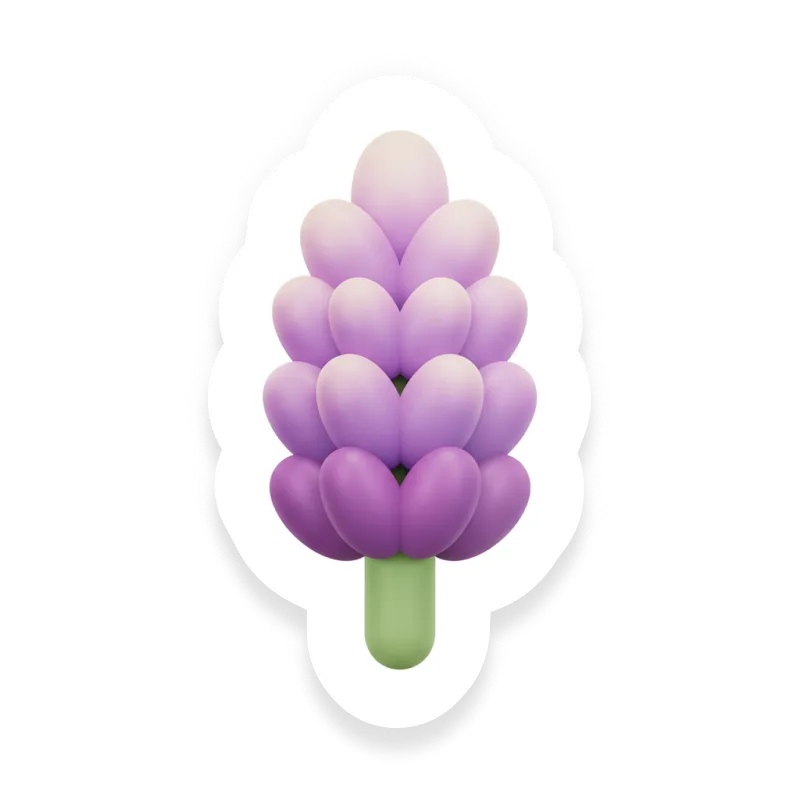
Lavender
Herb/Spice
Is Lavender Safe for Babies?
Yes, lavender can be introduced around 6 months in small amounts as a culinary herb, avoiding essential oils and non-culinary forms.
Yes, but there are some things to know
How Do You Serve Lavender?
- 1Use a very small amount of dried or fresh lavender to lightly flavor foods; crumble dried buds into sauces, batters (pancakes, muffins), or spice blends.
- 2Finely chop fresh lavender or grind dried buds so pieces are tiny to reduce choking risk.
- 3To make a gentle infusion, steep a pinch of dried lavender in warm water for a few minutes, strain well, and stir the flavored liquid into porridge or mashed fruit.
- 4Start with a pinch—about 1/8 teaspoon per cup—and taste as you go; adjust carefully because the flavor is strong.
- 5Do not use essential oils, extracts, or other concentrated/non-culinary lavender forms; keep quantities minimal and introduce new flavors in small amounts while watching for any reactions.
Is Lavender a Common Allergen?
Lavender is not a common food allergen (no milk, egg, peanut/tree nut, soy, gluten, sesame, fish, or shellfish concern), but some children can have contact dermatitis or respiratory reactions to lavender or its fragrance. Culinary use in small amounts is generally safe, but avoid concentrated forms (essential oils) and do not give essential oils internally or to infants. Introduce lavender-flavored foods cautiously if your child has plant or fragrance sensitivities and seek pediatric advice if any signs of rash, swelling, or breathing difficulty occur.
What Nutrients Does Lavender Have?
Culinary lavender provides only trace amounts of vitamins and minerals (small amounts of vitamin A, vitamin C, calcium, iron, manganese, magnesium, and potassium) and is best valued for phytonutrients with antioxidant and anti-inflammatory properties rather than as a source of calories or protein. For babies (around 6 months+), tiny culinary amounts can add flavor and offer minor antioxidant benefits, but lavender is not a significant contributor of essential nutrients like iron or protein. Avoid concentrated forms (essential oils, extracts, or strong teas); excessive intake or non-culinary exposures have been linked to gastrointestinal upset and rare adverse effects in case reports.
Is Lavender a Choking Hazard?
Very Low Choking Risk
Lavender presents a low choking risk overall, but whole buds or stems could pose a hazard for young babies. Watch your baby closely during any eating or tasting and stay within arm’s reach to respond quickly if coughing or gagging occurs. Remember that any small plant parts can be a choking risk for infants.
Have More Questions?
Yes, you can store lavender in an airtight container in a cool, dry place for several months.
Yes, freeze small amounts of cooked lavender-infused dishes in ice cube trays for convenient future use.
Yes, choose organic lavender to avoid exposure to pesticides, which is especially important for babies.
Yes, lavender can be combined with other herbs and mild flavors to introduce variety without overwhelming a baby’s palate.
Yes, consider serving small, manageable portions to gauge your baby's taste preferences and tolerance.
Is Lavender safe for your baby?
Get personalized guidance on introducing Lavender — with prep tips, allergen alerts, and age-specific serving ideas.
Sources
- Anticholinergic syndrome and supraventricular tachycardia caused by lavender tea toxicity doi.org
- Prepubertal gynecomastia linked to lavender and tea tree oils doi.org
- Prevalence of endocrine disorders among children exposed to lavender essential oil and tea tree essential oils doi.org
- Contact allergy and allergic contact dermatitis caused by lavender: A retrospective study from an Australian clinic doi.org
- Labiatae allergy: systemic reactions due to ingestion of oregano and thyme doi.org
- Essential oils: Poisonous when misused (National Capital Poison Center) poison.org
- U.S. Food & Drug Administration — GRAS (Generally Recognized as Safe) fda.gov
What Other Herb/Spice Can Babies Eat?
See all →
Backed by Science
Data you can trust.
Every food, guideline, and recommendation in Tummi is sourced from leading health institutions and peer-reviewed research.
 Centers for Disease Control and Prevention
Developmental milestones, nutrition guidelines, and allergen introduction timelines.
 American Academy of Pediatrics
Evidence-based feeding recommendations from the leading pediatric authority.
 National Institutes of Health
Peer-reviewed research on infant nutrition, allergies, and food safety.