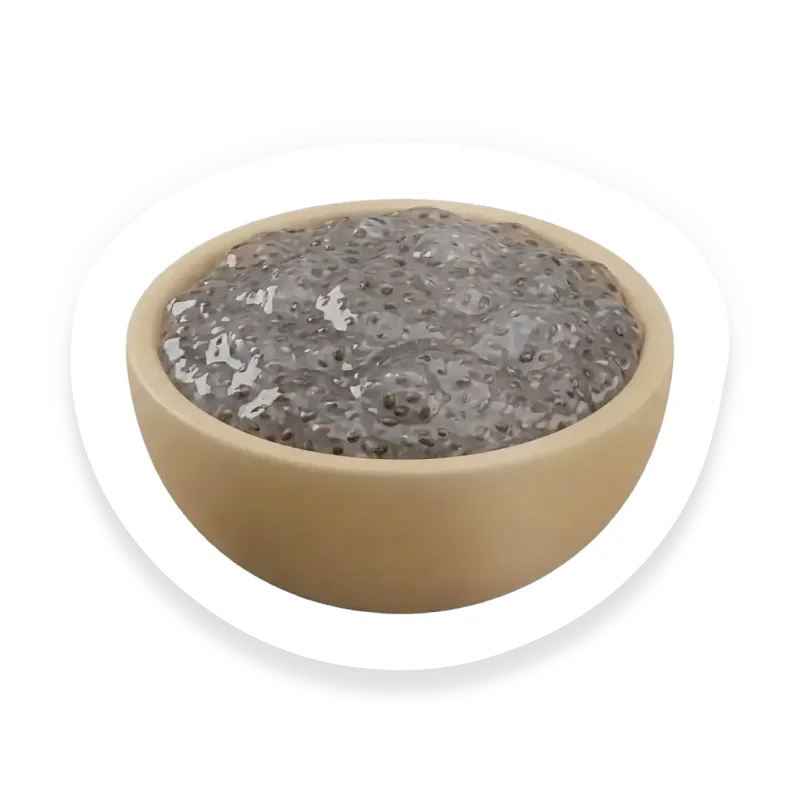
Chia Seeds
Seed
Is Chia Seeds Safe for Babies?
Yes, chia seeds can be introduced around 6 months when baby is starting solids; serve soaked and in small amounts to ensure safety.
Yes, but there are some things to know
At a Glance
Chia seeds are rich in iron, a plant source that helps the body make healthy red blood cells. They are also high in fiber and contain omega-3 fats and vitamin C, which support digestion and help the body absorb iron.
Chia seeds absorb liquid and form a gel that softens stool and eases its passage. They are also high in fiber, and provide minerals like magnesium that support gut motility and overall digestive comfort.
How Do You Serve Chia Seeds?
- 1Soak chia in liquid (water, breastmilk, formula, or mashed fruit) using about 1 part seeds to 4–6 parts liquid for at least 30 minutes until the seeds are fully gelled.
- 2Stir the gelled chia into porridge, yogurt, or mashed fruit so the texture is soft and evenly mixed and easy for baby to scoop.
- 3Never offer dry or undissolved seeds — ensure seeds are fully plumped and gel-like to reduce choking risk.
- 4Offer small, scoopable portions (pre-loaded spoon or finger-sized servings) so baby can self-feed, and always supervise during meals.
- 5Introduce a small amount first and watch for reactions; consult your pediatrician if you have any concerns.
Is Chia Seeds a Common Allergen?
Chia seed allergies are uncommon but have been reported — chia contains proteins that can bind IgE and, rarely, cause reactions including anaphylaxis. There may be cross-reactivity with other seed allergies (notably sesame), so be cautious if your child has a known seed or sesame allergy. Introduce small amounts under supervision and stop if you notice hives, vomiting, swelling, or breathing difficulty; seek emergency care for any respiratory symptoms. If you're concerned or your child has prior seed allergies, consult your pediatrician or an allergist before offering chia.
What Nutrients Does Chia Seeds Have?
Nutrient Snapshot: Chia seeds are rich in fiber, healthy fats (plant-based omega‑3 ALA), and protein, and they provide key minerals like calcium, iron, selenium, and zinc plus antioxidants. These nutrients can support digestion and relieve constipation, aid brain and eye development, support bone growth and red blood cell formation, and boost immunity. Because chia are very high in soluble fiber and expand when wet, start with small, pre‑soaked amounts to avoid digestive upset and reduce choking risk; don’t serve spoonfuls of dry seeds.
Is Chia Seeds a Choking Hazard?
Very Low Choking Risk
Chia seeds can pose a choking hazard because they absorb moisture and may swell or clump, potentially blocking an infant’s airway. Stay within arm’s reach during meals, watch closely for any gagging or choking, and make sure caregivers know infant choking first aid. If you have concerns, check with your pediatrician.
Have More Questions?
Yes. Chia seeds can be introduced to babies as soon as they are ready for solids, around 6 months, but start with small amounts to monitor digestion.
Yes. Chia seeds are healthy for babies, providing fiber, fats, protein, and essential minerals that support growth, bone health, and development.
No. Allergies to chia seeds are rare, but some individuals with sesame allergies may have cross-reactivity; consult with an allergist before introducing.
Yes. Dry chia seeds can expand and pose a choking risk; always soak them in liquid before serving and serve in age-appropriate ways.
Yes. The soluble fiber in chia seeds can help alleviate constipation in babies; introduce gradually to avoid digestive discomfort.
Is Chia Seeds safe for your baby?
Get personalized guidance on introducing Chia Seeds — with prep tips, allergen alerts, and age-specific serving ideas.
Sources
- Allergen characterization of chia seeds (Salvia hispanica), a new allergenic food. J Investig Allergol Clin Immunol. 2015;25(1):55-6 pubmed.ncbi.nlm.nih.gov
What Other Seed Can Babies Eat?
See all →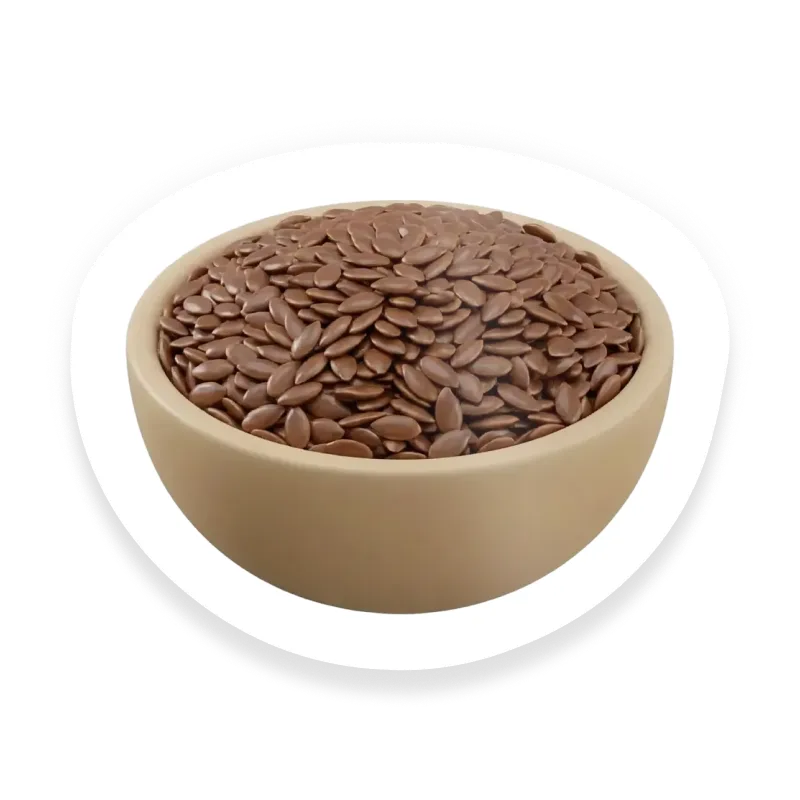
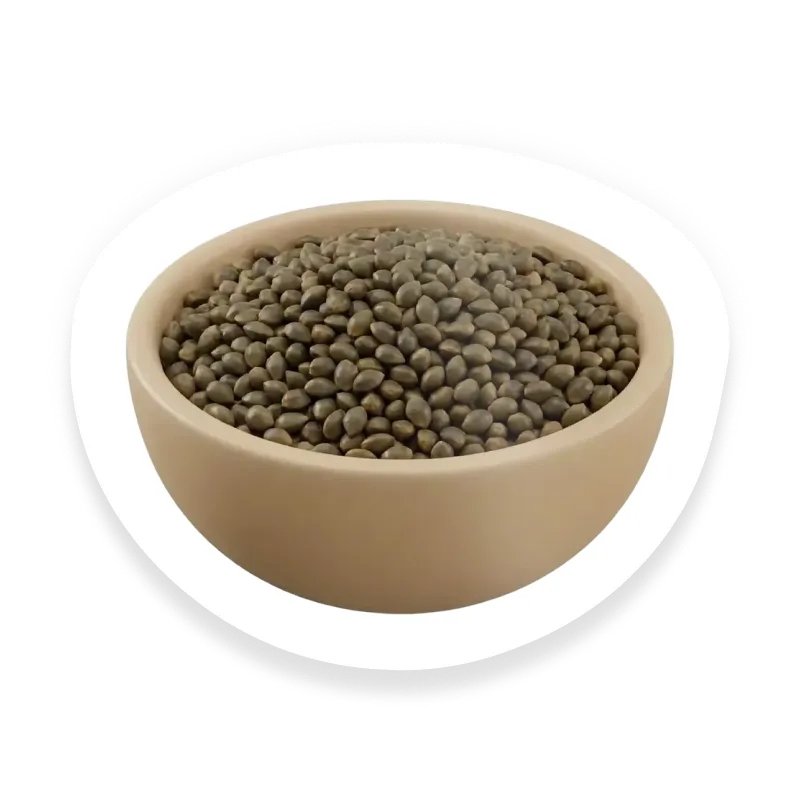
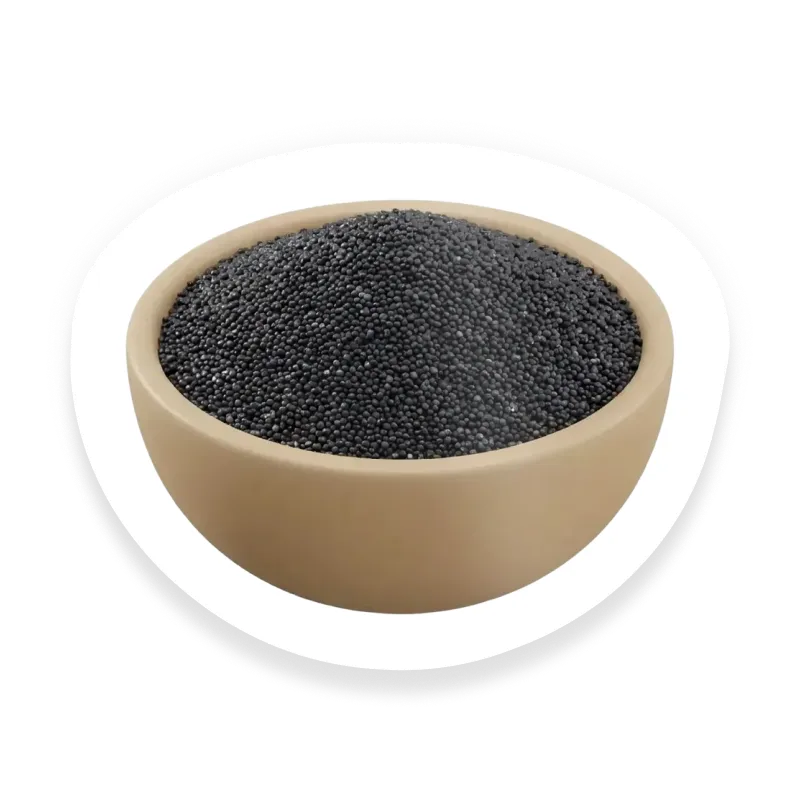
Backed by Science
Data you can trust.
Every food, guideline, and recommendation in Tummi is sourced from leading health institutions and peer-reviewed research.
 Centers for Disease Control and Prevention
Developmental milestones, nutrition guidelines, and allergen introduction timelines.
 American Academy of Pediatrics
Evidence-based feeding recommendations from the leading pediatric authority.
 National Institutes of Health
Peer-reviewed research on infant nutrition, allergies, and food safety.