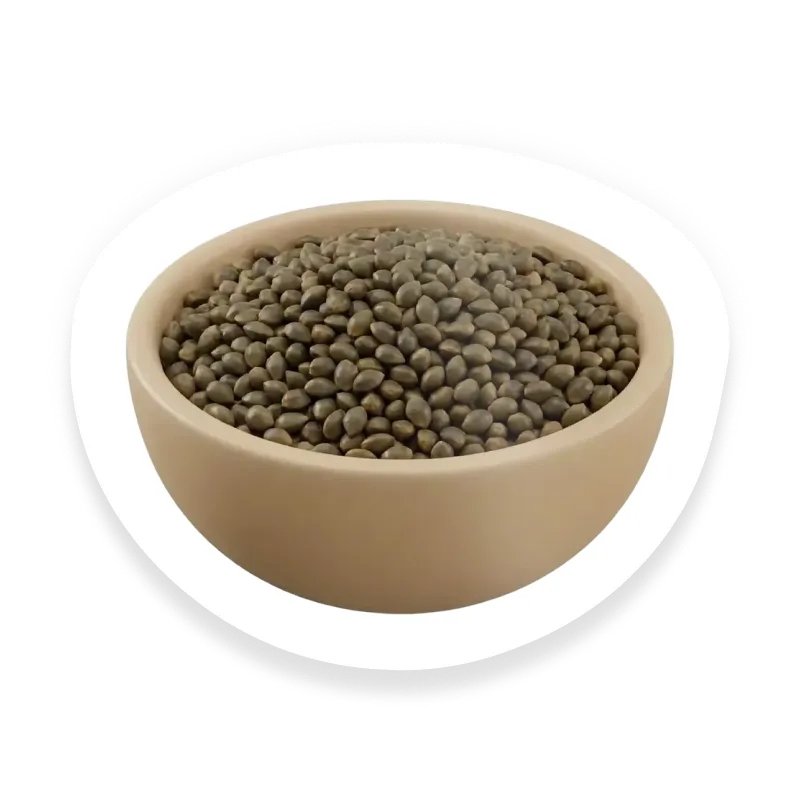
Hemp Seed
Seed
Is Hemp Seed Safe for Babies?
Yes, hemp seeds can be introduced around 6 months old when starting solids, when they are prepared appropriately.
Yes, but there are some things to know
At a Glance
Hemp hearts are high in iron and also provide protein and healthy fats in a small serving. The iron, along with the seed’s protein and minerals, supports healthy blood and steady energy.
Shelled hemp seeds are a source of fiber and healthy fats that help bulk and soften stool for easier passage. They also provide plant protein, magnesium and omega fatty acids that support gut muscle function and steady digestion.
How Do You Serve Hemp Seed?
- 1Mix 1–2 teaspoons of hulled hemp seeds into soft, scoopable foods like mashed vegetables, warm porridge, or yogurt to add a mild nutty flavor and extra nutrients.
- 2For slippery finger foods (avocado, banana), press or roll pieces in seeds to create a grippable texture that’s easier for little hands to hold.
- 3Stir 1 teaspoon of hemp seed oil into mashed vegetables or sauces after cooking; do not heat the oil, as high heat can damage healthy fats.
- 4Introduce hemp seeds slowly—offer them alone first and wait 2–3 days between new foods to monitor for reactions. Store seeds refrigerated in a sealed container and discard if they smell or taste rancid.
Is Hemp Seed a Common Allergen?
Hemp seeds are not a common top-9 allergen and are usually well tolerated, but rare allergic reactions have been reported. Research identifies hemp seed proteins (e.g., vicilins, edestins) as potential allergens and suggests possible cross-reactivity with tree nuts (e.g., hazelnut); cold-pressed seed oils may retain protein and trigger reactions in sensitive people. When introducing hemp to infants, offer a small amount first, watch closely for hives, vomiting, or breathing changes, and avoid if your child has known nut/seed allergies. If any signs of a severe reaction occur, seek emergency care and consult your pediatrician or allergist.
What Nutrients Does Hemp Seed Have?
Hemp seeds (hulled hemp hearts) are nutrient‑dense for babies — they provide plant-based complete protein, healthy fats (omega‑3 and omega‑6), and important minerals and vitamins including iron, magnesium, zinc, calcium, and B‑vitamins/folate. These nutrients support growth, brain development (omega‑3s), red blood cell formation (iron/folate), and bone and metabolic health. Because hemp seeds are high in fat and calories, offer them in small, age‑appropriate amounts (stirred into purees or baked goods); excessive servings could displace breastmilk/formula or other nutrient-rich foods.
Is Hemp Seed a Choking Hazard?
Elevated Choking Risk
Hemp seeds present a low choking risk when safely prepared for a child’s age and developmental ability, but loose, dry seeds can scatter in the mouth and may trigger gagging or coughing. Always stay within arm’s reach and closely supervise meals, since any food can pose a choking risk. Familiarize yourself with the signs of choking and basic first-aid steps so you can act quickly if needed.
Have More Questions?
Yes. You can store hemp seeds in a cool, dry place in an airtight container, and they typically last for several months. For longer storage, keep them in the refrigerator or freezer.
Yes. You can freeze ground or whole hemp seeds in an airtight container to extend their freshness and preserve nutrients for future use in baby foods.
It depends. Choosing organic hemp seeds ensures they are free from pesticides, but conventional seeds are also safe if properly tested and sourced from reputable suppliers.
Yes. You can combine hemp seeds with pureed fruits, vegetables, or grains to create nutritious, textured baby foods tailored to your child's developmental stage.
It depends on the portion size. For babies 6-12 months, serve small, manageable amounts—about 1 teaspoon—adjusting as they grow and their intake increases.
Is Hemp Seed safe for your baby?
Get personalized guidance on introducing Hemp Seed — with prep tips, allergen alerts, and age-specific serving ideas.
Sources
- The cardiac and haemostatic effects of dietary hempseed pmc.ncbi.nlm.nih.gov
- FDA Responds to Three GRAS Notices for Hemp Seed-Derived Ingredients for Use in Human Food fda.gov
- Cow's Milk Substitutes for Children: Nutritional Aspects of Milk from Different Mammalian Species, Special Formula and Plant-Based Beverages mdpi.com
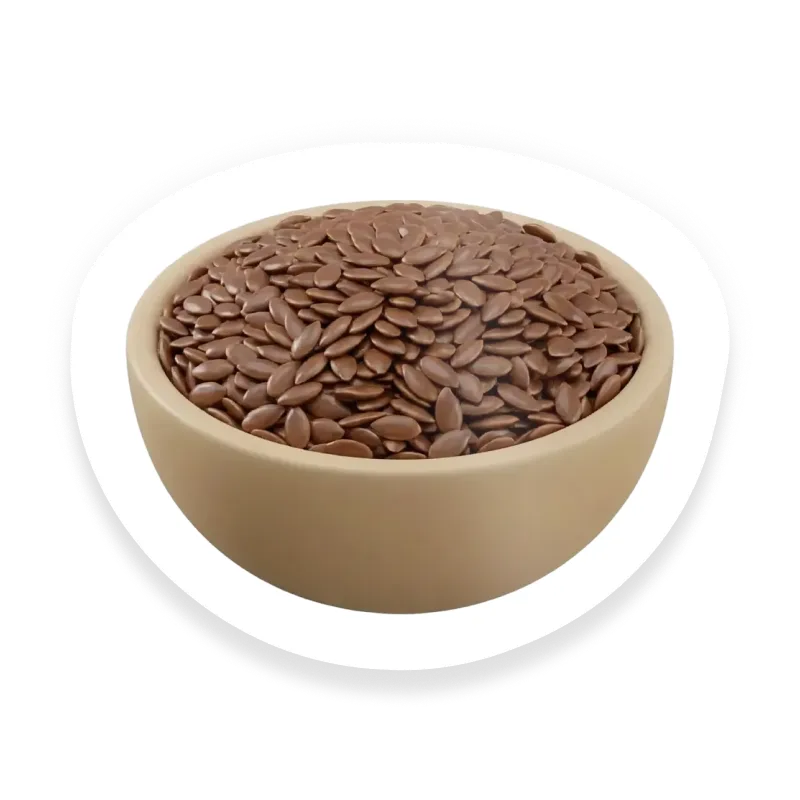
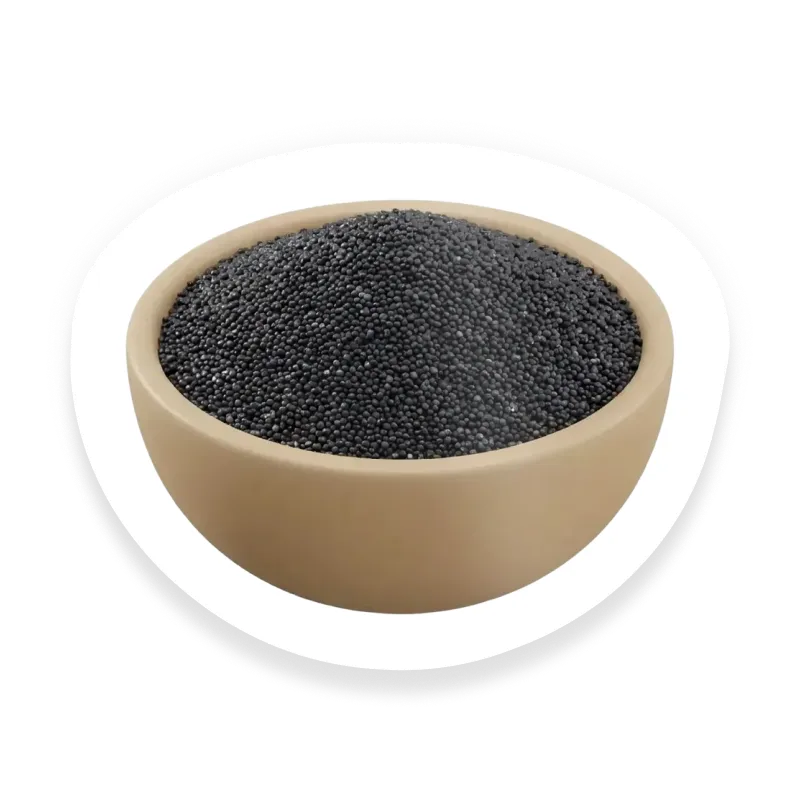
What Other Seed Can Babies Eat?
See all →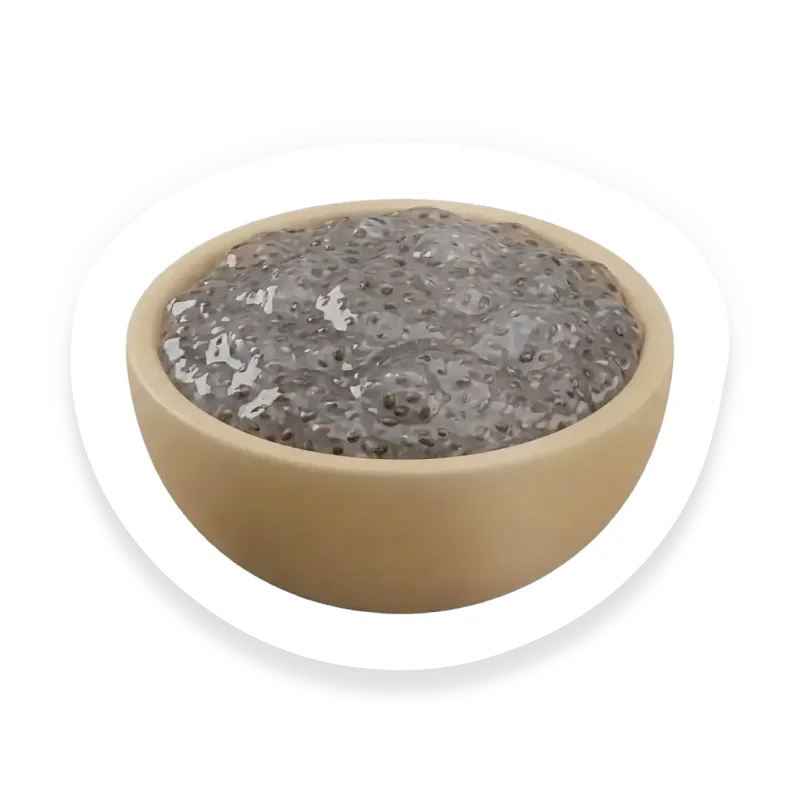
Backed by Science
Data you can trust.
Every food, guideline, and recommendation in Tummi is sourced from leading health institutions and peer-reviewed research.
 Centers for Disease Control and Prevention
Developmental milestones, nutrition guidelines, and allergen introduction timelines.
 American Academy of Pediatrics
Evidence-based feeding recommendations from the leading pediatric authority.
 National Institutes of Health
Peer-reviewed research on infant nutrition, allergies, and food safety.