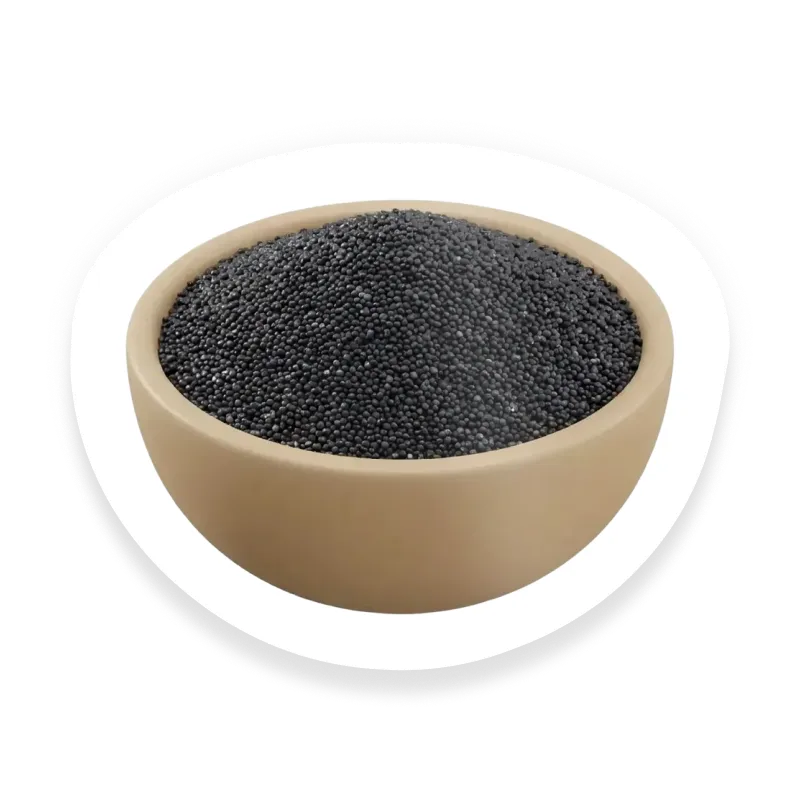
Poppy Seed
Seed
Is Poppy Seed Safe for Babies?
Yes, babies can eat food-grade poppy seeds around 6 months, ensuring they are from reputable sources and properly prepared.
Yes, but there are some things to know
How Do You Serve Poppy Seed?
- 1Start small—sprinkle a light amount of food‑grade poppy seeds into mashed fruits, cooked vegetables, cottage cheese, or other soft, age-appropriate foods to add mild flavor and texture.
- 2Use whole seeds for a gentle crunch or lightly grind them to release more flavor and help them blend smoothly into purees and sauces.
- 3Stir ground seeds into thickened sauces, stews, yogurt, or porridges as a natural thickener and subtle flavor enhancer; add gradually and taste as you go.
- 4Avoid sweet pastries and concentrated poppy‑seed pastes at this stage; instead prefer savory seeded breads or mixes that blend seeds into vegetables or grains.
Is Poppy Seed a Common Allergen?
Poppy seeds can cause true allergic reactions in some people and have been reported to provoke moderate-to-severe responses; there is evidence of cross-reactivity with other seeds (including sesame). Because poppy seeds are commonly used in baked goods, cross-contact with nuts, gluten, or sesame is possible — check ingredient labels. Whole seeds may pose an aspiration/choking risk for infants and young toddlers, so avoid giving loose whole seeds to very young children. If your child has a known seed allergy or has had reactions, avoid poppy seeds and consult your pediatrician or an allergy specialist for testing and an action plan.
What Nutrients Does Poppy Seed Have?
Poppy seeds supply small amounts of protein, healthy fats, dietary fiber, and modest calcium — nutrients that support growth, brain development (from fats), and bone health. They’re typically used sparingly, so aren’t a major source of vitamins or iron for babies. Avoid large quantities: seeds are calorie- and fat-dense and, importantly, only use food‑grade, washed seeds from reputable sellers to prevent opiate contamination. Introduce a small amount first and watch for the rare allergic reaction.
Is Poppy Seed a Choking Hazard?
Very Low Choking Risk
Poppy seeds themselves are tiny and are not a common choking hazard for babies. However, a spoonful or handful of loose seeds could be aspirated, so avoid offering them loose and keep an eye on texture and portion. Always supervise closely—stay within an arm’s reach—while baby is eating.
Have More Questions?
Yes, with caution. Only serve food-grade poppy seeds from reputable stores, and ensure they are properly washed and processed to reduce any risk of opiate contamination.
It depends. Both organic and conventional poppy seeds can be safe if food-grade and properly sourced, but always choose reputable brands to avoid contamination.
Yes, provided they are food-grade. Organic standards often ensure better quality and less chemical contamination, but safety depends primarily on proper processing and sourcing.
It depends. Freezing can help extend shelf life if seeds are stored in airtight containers, but ensure they are dry and properly sealed to prevent mold or spoilage.
It depends. Poppy seeds can be mixed into smoothies, baked goods, or purees, but always serve in small amounts and observe for any adverse reactions.
Is Poppy Seed safe for your baby?
Get personalized guidance on introducing Poppy Seed — with prep tips, allergen alerts, and age-specific serving ideas.
Sources
- Powers, D., Erickson, S., Swortwood, M.J. (2017) Quantification of morphine, codeine, and thebaine in home-brewed poppy seed tea by LC-MS/MS. Journal of Forensic Sciences. doi.org
- Carlin, M.G., Dean, J.R., Ames, J.M. (2020) Opium alkaloids in harvested and thermally processed poppy seeds. Frontiers in Chemistry. doi.org
- Kowalczyk, A., Kuczynska, R., Zbikowska-Gotz, M., Bartuzi, Z., Krogulska, A. (2020) Anaphylaxis in an 8-year-old boy following the consumption of poppy seed. Journal of Investigational Allergology and Clinical Immunology. doi.org
- Vocks, E., Borga, A., Szliska, C., et al. (1993) Common allergenic structures in hazelnut, rye grain, sesame seeds, kiwi, and poppy seeds. Allergy. doi.org
What Other Seed Can Babies Eat?
See all →
Backed by Science
Data you can trust.
Every food, guideline, and recommendation in Tummi is sourced from leading health institutions and peer-reviewed research.
 Centers for Disease Control and Prevention
Developmental milestones, nutrition guidelines, and allergen introduction timelines.
 American Academy of Pediatrics
Evidence-based feeding recommendations from the leading pediatric authority.
 National Institutes of Health
Peer-reviewed research on infant nutrition, allergies, and food safety.