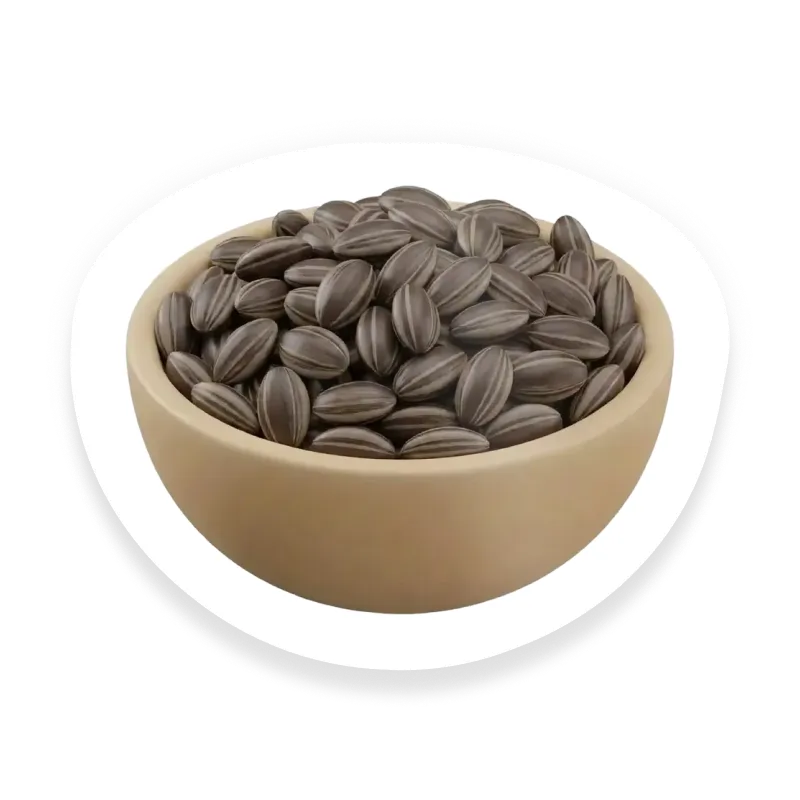
Sunflower Seed
Seed
Is Sunflower Seed Safe for Babies?
Yes, sunflower seeds can be introduced around 6 months old when finely ground or blended into seed butter, ensuring a smooth texture and avoiding choking hazards.
Yes, but there are some things to know
At a Glance
Sunflower seeds are a good source of iron and other minerals like magnesium and vitamin E. That iron helps the body make red blood cells and supports steady energy.
Sunflower seeds are rich in fiber, which adds bulk and helps stool move through the intestines. They also have a high magnesium content and healthy fats that support muscle relaxation and help keep bowel movements regular.
How Do You Serve Sunflower Seed?
- 1Grind hulled sunflower seeds until they form a very fine, powder-like texture and sprinkle a small pinch onto yogurt, warm cereal, rice, quinoa, or purees.
- 2If using smooth sunflower seed butter, thin it with a little breast milk, formula, or water until pourable, then stir a small amount into scoopable foods like mashed banana or yogurt.
- 3For finger foods, spread a very thin layer of thinned seed butter on toast strips or soft fruit slices to reduce stickiness and choking risk.
- 4Always serve small portions and remain within arm’s reach to supervise meals and reduce choking hazards.
Is Sunflower Seed a Common Allergen?
Sunflower seeds are not among the top common allergens like peanut or tree nuts, but true sunflower seed allergy does occur and has been reported; sunflower seed butter is commonly used as a peanut alternative and can trigger reactions in sensitized individuals. People with pollen/ragweed-related allergies or a history of seed allergies may have increased risk of reaction. For infants and young children, whole seeds are a choking hazard—avoid giving whole seeds to young children and offer ground seeds or smooth/strained sunflower butter in age-appropriate forms; introduce new foods cautiously and consult an allergist if there is any history of allergies or severe reactions.
What Nutrients Does Sunflower Seed Have?
Sunflower seeds are nutrient-dense for babies — they provide healthy unsaturated fats, protein, and fiber, and are especially good sources of vitamin E, iron, zinc, selenium, B6 and folate, which support brain development, immunity, red blood cell production, and digestion. Because seeds are calorie- and fat-dense (and often salted) offer small amounts and serve in age-appropriate forms (finely ground or thinned sunflower butter) to avoid choking; phytates can modestly reduce mineral absorption and excessive intake could add unwanted calories or (rarely) excess selenium. Introduce gradually, watch for any reaction, and mix butters into yogurt or purees for younger infants.
Is Sunflower Seed a Choking Hazard?
Elevated Choking Risk
Sunflower seeds and sunflower seed butter are a choking hazard for babies: the seeds are small, firm, and smooth, and seed butter can be sticky and difficult to manage in the mouth. Keep babies seated and focused while eating and stay within arm’s reach so you can respond quickly if they gag or choke. Ensure caregivers are familiar with choking first aid before offering sunflower seed products.
Have More Questions?
Yes, you can store ground sunflower seeds, sunflower seed butter, or roasted seeds in an airtight container in a cool, dry place or the refrigerator to extend freshness.
Yes, freezing small portions of sunflower seed purees or butter in an airtight container or ice cube tray is a good way to preserve them for later use.
Yes, choosing organic sunflower seeds can reduce exposure to pesticides, but both organic and conventional seeds are nutritious for babies.
Yes, you can combine sunflower seed butter with other baby-friendly foods like mashed fruit or vegetables to introduce variety and flavors.
Yes, a typical portion size for toddlers is about 1-2 teaspoons of ground sunflower seeds or seed butter per feeding, depending on the child's size and appetite.
Is Sunflower Seed safe for your baby?
Get personalized guidance on introducing Sunflower Seed — with prep tips, allergen alerts, and age-specific serving ideas.
Sources
- Sunflower seed allergy doi.org
What Other Seed Can Babies Eat?
See all →
Backed by Science
Data you can trust.
Every food, guideline, and recommendation in Tummi is sourced from leading health institutions and peer-reviewed research.
 Centers for Disease Control and Prevention
Developmental milestones, nutrition guidelines, and allergen introduction timelines.
 American Academy of Pediatrics
Evidence-based feeding recommendations from the leading pediatric authority.
 National Institutes of Health
Peer-reviewed research on infant nutrition, allergies, and food safety.