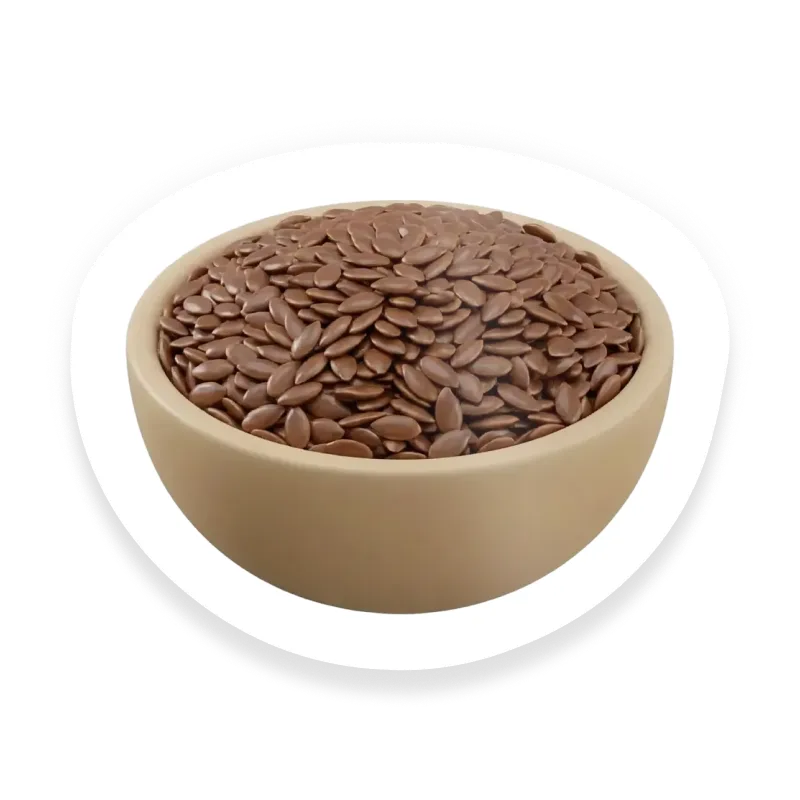
Flaxseed (Linseed)
Seed
Is Flaxseed (Linseed) Safe for Babies?
Yes, flaxseed can be introduced around 6 months, preferably ground and mixed into baby foods, to ensure safety and easy digestion.
Yes, but there are some things to know
At a Glance
Ground flaxseed is high in fiber, which adds gentle bulk and helps food move more smoothly through the gut. It also often forms a gel when mixed with water, softening stool and improving regularity.
How Do You Serve Flaxseed (Linseed)?
- 1Sprinkle finely ground flaxseed or flaxseed meal into moist foods (soft purees, warm cereals, mashed vegetables, or yogurt) so baby can scoop or eat from a pre-loaded spoon; avoid offering loose dry seeds.
- 2Start with a small amount—about ½ teaspoon per serving—and increase slowly as tolerated.
- 3You can also stir a small amount of flaxseed oil into foods, or mix ground flax into batters for muffins or pancakes; avoid adding whole seeds.
- 4Keep ground flaxseed cold to prevent rancidity. Store in the refrigerator and use within 2–3 weeks after opening.
Is Flaxseed (Linseed) a Common Allergen?
Flaxseed (linseed) can cause true allergic reactions — including rare but reported anaphylaxis — and reactions have occurred after both eating and skin contact. While flaxseed allergy is uncommon, reports are increasing as flax is added to more foods and supplements. Cross‑reactivity between seeds is not well established, so exercise caution in children with other seed allergies and consult an allergist if concerned. Introduce flax cautiously, watch for hives, vomiting, wheeze or breathing trouble, and seek immediate care for severe symptoms.
What Nutrients Does Flaxseed (Linseed) Have?
Nutrient Snapshot: Flaxseed is nutrient-dense for babies, providing fiber, healthy plant fats, and protein, along with iron, zinc, selenium, and plant-based omega‑3s (ALA) that support digestion, brain development, red blood cell health, and immunity. Ground flaxseed or flaxseed oil is an easy way to boost healthy fats and omega‑3s in purees, cereals, and baked goods. Introduce in small amounts and avoid excessive daily intake, since very large amounts of flax could theoretically cause health concerns; always start small and monitor for any reactions.
Is Flaxseed (Linseed) a Choking Hazard?
Very Low Choking Risk
Flaxseeds are a low choking risk when offered appropriately, but loose dry seeds or spoonfuls of dry flaxseed or meal can be aspirated and should be avoided. Keep baby seated and within arm’s reach during meals, and watch closely for coughing, gagging, or signs of airway trouble. If you’re ever worried about an episode, seek immediate help and review choking-first-aid guidance.
Have More Questions?
Yes. Flaxseed can be introduced to babies around 6 months old as part of a balanced diet, after they start solids.
Yes. Flaxseed provides beneficial nutrients that support a baby’s growth, such as omega-3 fatty acids and fiber, when given in appropriate amounts.
No. Flaxseeds are not a common allergen, but allergic reactions, though rare, can occur, especially in children with seed allergies.
No. When prepared properly—such as ground and mixed into soft foods—flaxseed is a low choking hazard for babies.
It depends. When introducing ground flaxseed in small amounts and incorporated into foods, it can be safely given to babies.
Is Flaxseed (Linseed) safe for your baby?
Get personalized guidance on introducing Flaxseed (Linseed) — with prep tips, allergen alerts, and age-specific serving ideas.
Sources
- Flax and Flaxseed Oil (Linum usitatissimum): A Review by the Natural Standard Research Collaboration doi.org
- Flax and flaxseed oil: an ancient medicine & modern functional food doi.org
- Dietary Flaxseed as a Strategy for Improving Human Health doi.org
- Case report: A first case of flaxseed-induced anaphylaxis in Korea doi.org
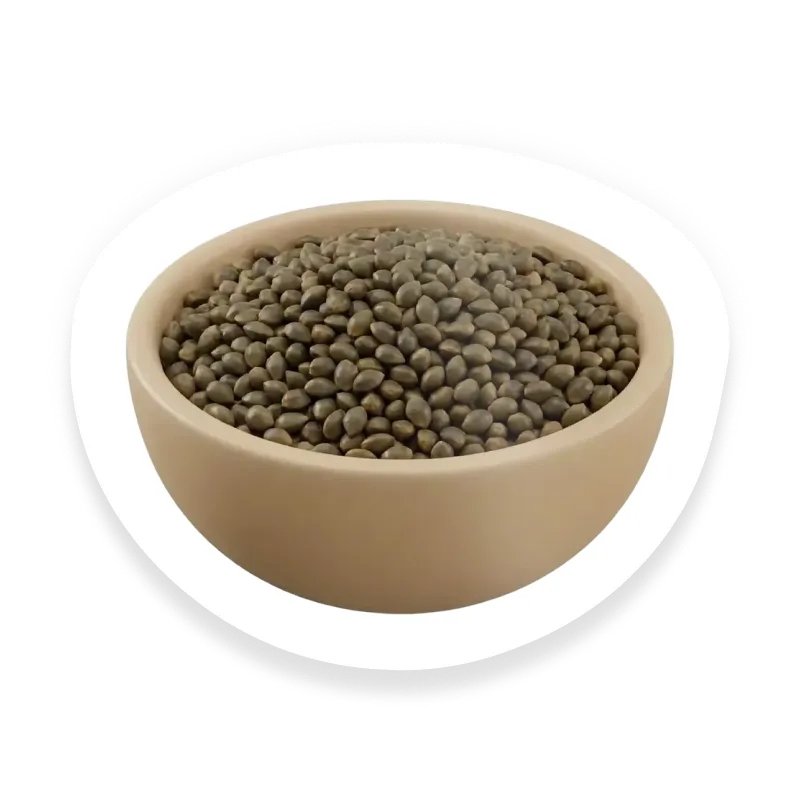
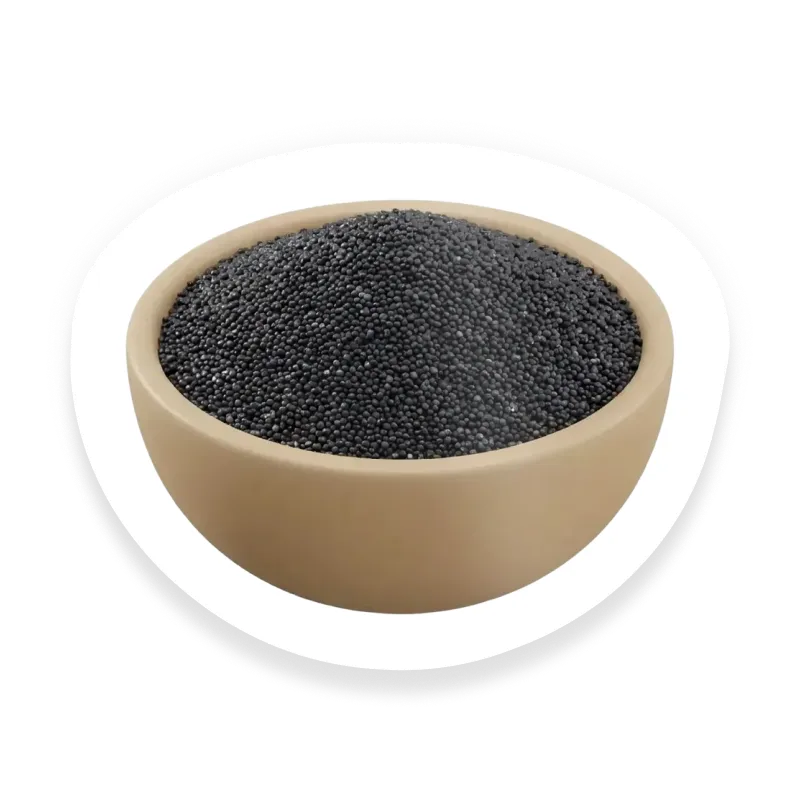
What Other Seed Can Babies Eat?
See all →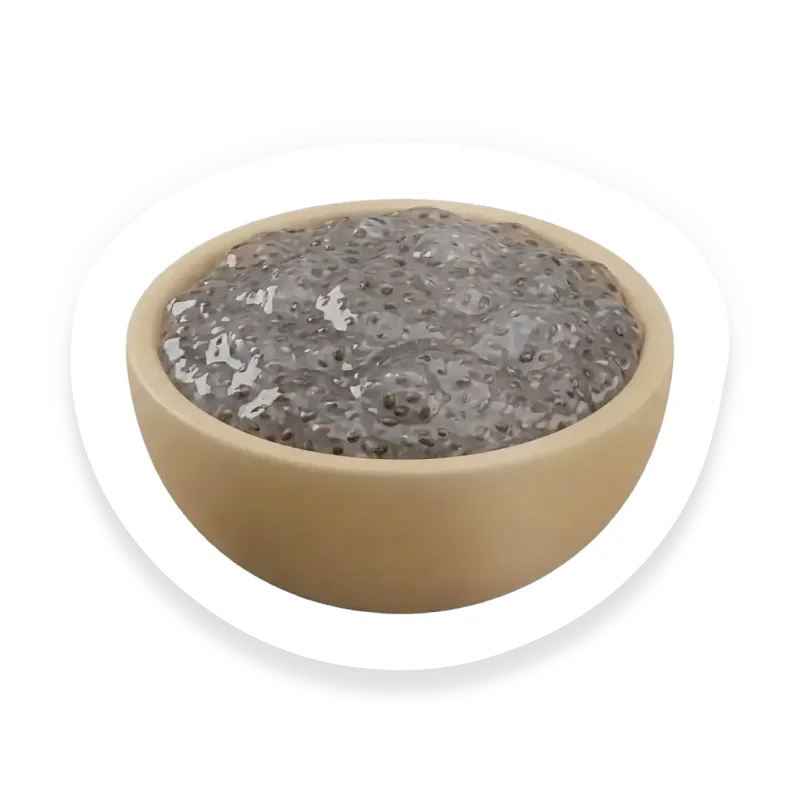
Backed by Science
Data you can trust.
Every food, guideline, and recommendation in Tummi is sourced from leading health institutions and peer-reviewed research.
 Centers for Disease Control and Prevention
Developmental milestones, nutrition guidelines, and allergen introduction timelines.
 American Academy of Pediatrics
Evidence-based feeding recommendations from the leading pediatric authority.
 National Institutes of Health
Peer-reviewed research on infant nutrition, allergies, and food safety.