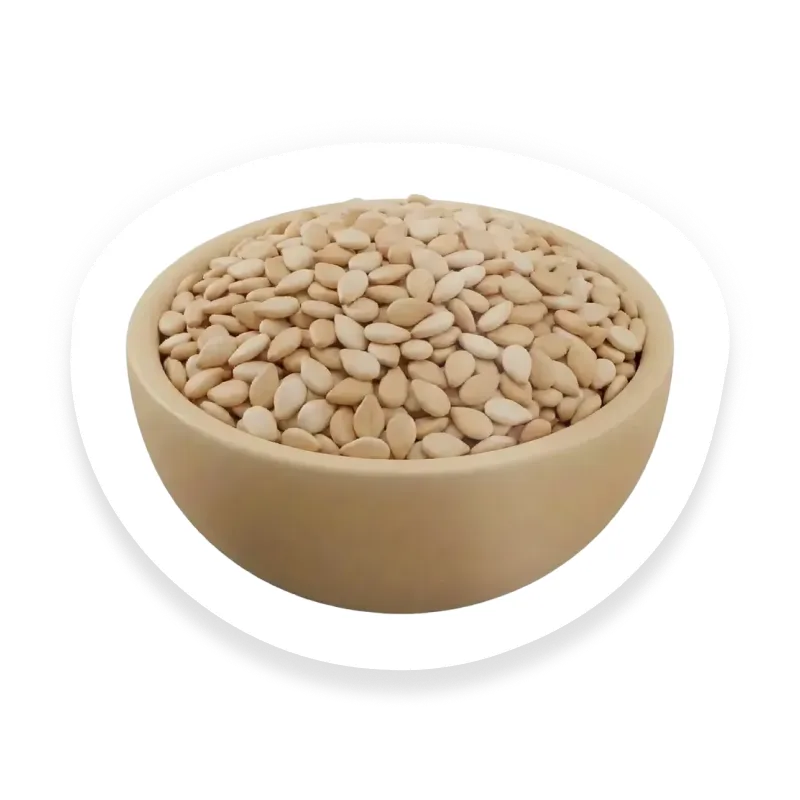
Sesame
Seed
Is Sesame Safe for Babies?
Yes, babies can have sesame starting around 6 months, once they are ready to begin solids, ensuring it's properly ground or paste to prevent choking.
Yes, but there are some things to know
At a Glance
Sesame seeds are a plant based iron source, giving a meaningful amount of non-heme iron in a small serving. That iron helps make hemoglobin and supports healthy red blood cells.
Sesame seeds are high in fiber, so a small serving can add bulk and help soften stool for more regular bowel movements. Their sesame seed oil and lignans give gentle gut support, helping lubricate the digestive tract and calm mild inflammation.
Sesame seeds can trigger allergic reactions in some people and, in rare cases, can cause anaphylaxis. They are also rich in nutrients, with healthy fats, fiber and minerals like calcium plus lignans that support overall heart and bone health.
How Do You Serve Sesame?
- 1Stir a very small amount (about 1/8–1/4 teaspoon) of smooth tahini or very finely ground hulled sesame into soft foods like applesauce, yogurt, or mashed avocado — start with tiny amounts and increase slowly.
- 2Use only very finely ground sesame or smooth tahini to avoid lumps; thin mixtures with breast milk, formula, or water until the texture is easy to swallow and avoid choking.
- 3Offer smooth hummus or a thin tahini spread for hand‑scooping and always supervise self‑feeding so you can respond immediately.
- 4Introduce sesame in tiny amounts and wait several days between exposures while watching closely for allergic signs (hives, vomiting, swelling, difficulty breathing); stop and seek medical advice if any occur.
- 5Store homemade mixes refrigerated up to 48 hours and discard if oil separates or smell changes; follow label directions for commercial tahini.
Is Sesame a Common Allergen?
Sesame is a known food allergen commonly found in tahini, hummus, breads, buns, sesame oil and various condiments, so always check ingredient labels and ask about cross-contact at restaurants. Sesame allergy can cause reactions ranging from mild hives to severe anaphylaxis—carry prescribed epinephrine if recommended and seek immediate care for severe symptoms. For infants or children with suspected or confirmed sesame allergy, follow your pediatrician or allergist’s guidance on introduction and management.
What Nutrients Does Sesame Have?
Sesame is nutrient-dense and provides healthy fats, protein, fiber, B vitamins (including folate) and key minerals—especially calcium, iron, zinc, copper, magnesium, manganese, phosphorus and selenium—which support bone growth, brain development, energy metabolism, and help prevent micronutrient gaps. Ground sesame or tahini makes these nutrients more bioavailable for babies than whole seeds. Serve in small amounts: tahini is calorie- and fat-rich and can be sticky (choking risk), and sesame is a common allergen, so introduce cautiously and watch for reactions.
Is Sesame a Choking Hazard?
Very Low Choking Risk
Tahini and other sesame pastes can form a sticky glob in the mouth, which raises the risk of choking; be especially cautious with very sticky textures. Whole sesame seeds themselves generally present a low choking risk when a baby’s feeding skills are appropriate, but any small, hard, or sticky food can be hazardous—stay within arm’s reach, watch for signs of gagging or choking, and remain attentive during meals. Caregivers should know basic choking first aid and keep mealtimes calm and focused.
Have More Questions?
Yes, but sesame is a common allergen. Always introduce it carefully in small amounts and observe for reactions.
Yes. Sesame can be introduced to babies around 6 months old when they start solids, provided they are developmentally ready and have no allergies.
Yes. Sesame is nutritious for babies, offering essential vitamins, minerals, healthy fats, and protein that support growth and development.
No, sesame seeds are a low choking hazard if served appropriately, like ground or in paste form. Whole seeds should be prepared with caution.
No, sesame oil is not sufficient for allergen exposure, as it often contains inconsistent protein levels. Whole seeds, tahini, or sesame flour are better for allergy prevention.
Is Sesame safe for your baby?
Get personalized guidance on introducing Sesame — with prep tips, allergen alerts, and age-specific serving ideas.
Sources
- Anti-Inflammatory and Anticancer Properties of Bioactive Compounds from Sesamum indicum L.-A Review doi.org
- Nutritional Gaps and Supplementation in the First 1000 Days doi.org
- Value addition in sesame: A perspective on bioactive components for enhancing utility and profitability doi.org
- Sesame allergy: current perspectives doi.org
What Other Seed Can Babies Eat?
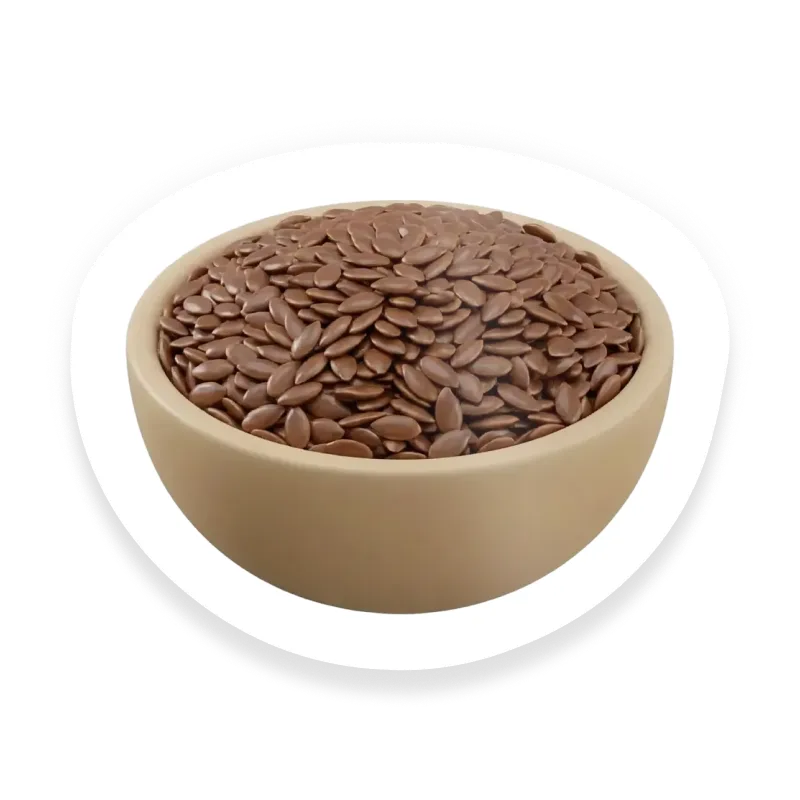
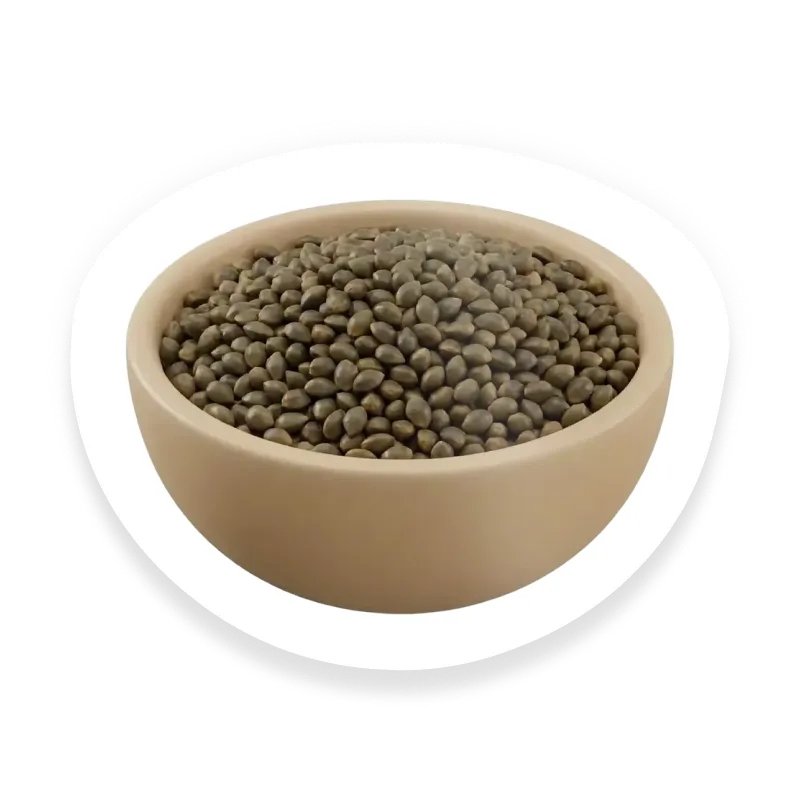
See all →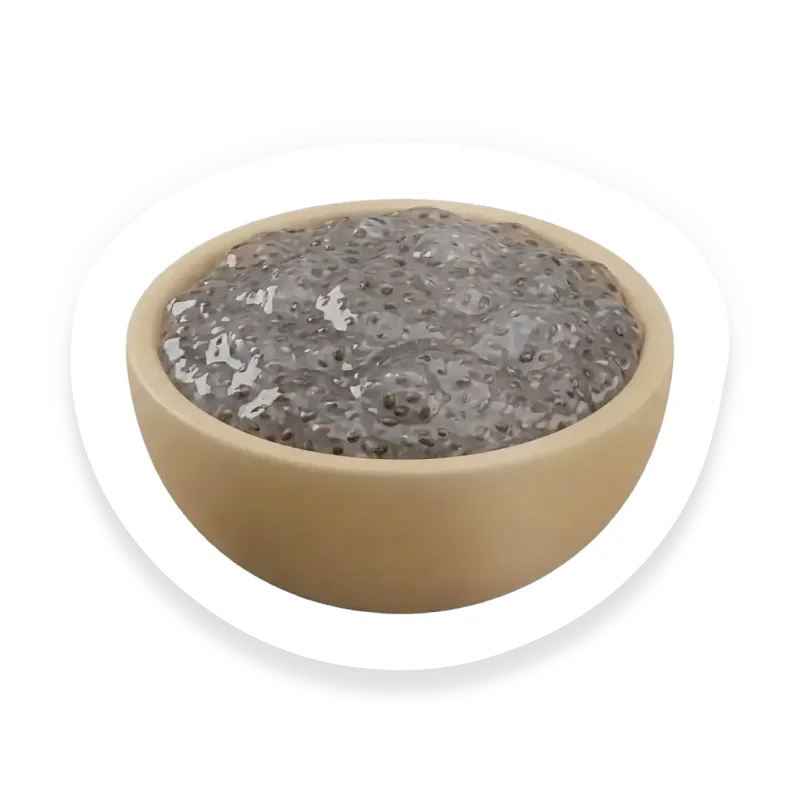
Backed by Science
Data you can trust.
Every food, guideline, and recommendation in Tummi is sourced from leading health institutions and peer-reviewed research.
 Centers for Disease Control and Prevention
Developmental milestones, nutrition guidelines, and allergen introduction timelines.
 American Academy of Pediatrics
Evidence-based feeding recommendations from the leading pediatric authority.
 National Institutes of Health
Peer-reviewed research on infant nutrition, allergies, and food safety.