
Mussels
Shellfish
Is Mussels Safe for Babies?
No, babies can eat cooked mussels from 6 months old, ensuring they are thoroughly cooked to reduce the risk of foodborne illness.
Yes, but there are some things to know
At a Glance
Mussels are a compact source of highly bioavailable iron, which helps the body make healthy red blood cells. They also provide a vitamin B12 boost and lean protein that support energy and blood health.
How Do You Serve Mussels?
- 1Use only thoroughly cooked or well-rinsed canned mussels with all shells removed; check carefully for any tiny shell fragments and discard any pieces with shells.
- 2Finely chop or mash the mussels and blend into a soft, scoopable base such as mashed vegetables, avocado, yogurt, or purees so pieces are easy to swallow.
- 3Serve a very small initial portion to watch for reactions and ensure the texture is safe for your child.
- 4Refrigerate leftovers within 2 hours and use within 24–48 hours. Reheat until hot before serving and let cool to a safe temperature.
Is Mussels a Common Allergen?
Mussels are molluscan shellfish and are a known shellfish allergen; people with shellfish allergy can have mild to severe (including anaphylactic) reactions to mussels. Cross-reactivity between mollusks and other shellfish is possible, so avoid mussels if a shellfish allergy is suspected or confirmed, and follow emergency plans (antihistamines/epinephrine) as advised by your clinician. Also note occasional safety advisories for mussels (e.g., recalls or contamination) — check local guidance before serving.
What Nutrients Does Mussels Have?
Mussels are nutrient-dense for babies: they provide high-quality protein, heme iron, vitamin B12, omega‑3 fatty acids (EPA/DHA), zinc, selenium, folate and small amounts of vitamin A—nutrients that support growth, red‑blood‑cell formation and brain development. Small, thoroughly cooked (or low‑sodium canned) and finely chopped servings can help boost iron and B12 and supply neuroprotective omega‑3s. Occasional servings are beneficial, but frequent consumption could raise exposure to contaminants (e.g., cadmium) or excess sodium in some canned products, so offer mussels as part of a varied diet and choose low‑contaminant, low‑sodium sources.
Is Mussels a Choking Hazard?
Low Choking Risk
Mussels are firm, rubbery, and slippery, which raises their choking risk for infants and toddlers. Caregivers should stay within arm’s reach and be especially vigilant for signs of choking versus gagging when mussels are offered. Make sure anyone feeding the child knows infant and toddler choking first aid and how to respond quickly.
Have More Questions?
Yes. Mussels can be introduced to babies around 6 months old once cooked thoroughly, but ensure they are served in an age-appropriate, manageable form to avoid choking.
Yes. Mussels are nutritious and provide essential nutrients; however, they can vary in heavy metals depending on source, so offer them as part of a balanced diet and not too frequently.
No. Mussels are not classified as a common allergen, but shellfish allergies can develop in childhood, so introduce gradually and watch for reactions.
Yes. Mussels are firm and slippery, which pose a choking risk, so they should be finely chopped or pureed when served to babies and always closely supervised.
It depends. Raw mussels are not recommended for babies due to high foodborne illness risk; always serve cooked mussels to reduce health risks.
Is Mussels safe for your baby?
Get personalized guidance on introducing Mussels — with prep tips, allergen alerts, and age-specific serving ideas.
Sources
- Centers for Disease Control and Prevention — Foods that can cause food poisoning (2019) cdc.gov
- Chandravanshi L, Shiv K, Kumar S. — Developmental toxicity of cadmium in infants and children (2021) doi.org
- Centers for Disease Control and Prevention — Vibrio (2019) cdc.gov
- Lopata AL, O'Hehir RE, Lehrer SB — Shellfish allergy (2010) doi.org
- U.S. Food & Drug Administration — Questions and answers regarding food allergens; Guidance for industry (2022) fda.gov
- Kids With Food Allergies — Food allergen labeling kidswithfoodallergies.org
- Food Allergy Research & Education — Shellfish Allergy foodallergy.org
- Food Allergy Research & Education — Fish Allergy foodallergy.org
What Other Shellfish Can Babies Eat?
See all →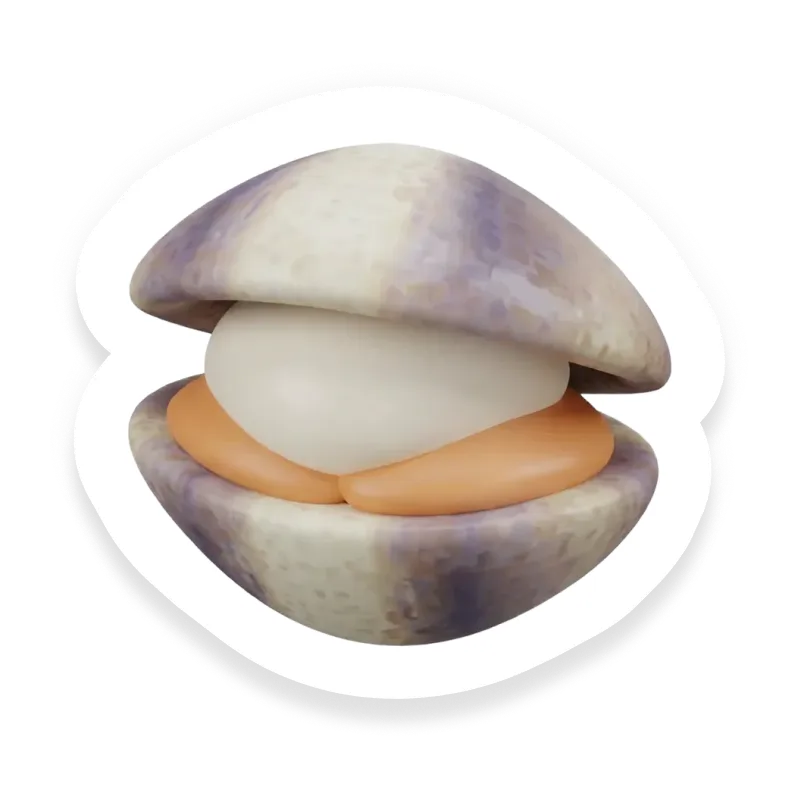

Backed by Science
Data you can trust.
Every food, guideline, and recommendation in Tummi is sourced from leading health institutions and peer-reviewed research.
 Centers for Disease Control and Prevention
Developmental milestones, nutrition guidelines, and allergen introduction timelines.
 American Academy of Pediatrics
Evidence-based feeding recommendations from the leading pediatric authority.
 National Institutes of Health
Peer-reviewed research on infant nutrition, allergies, and food safety.