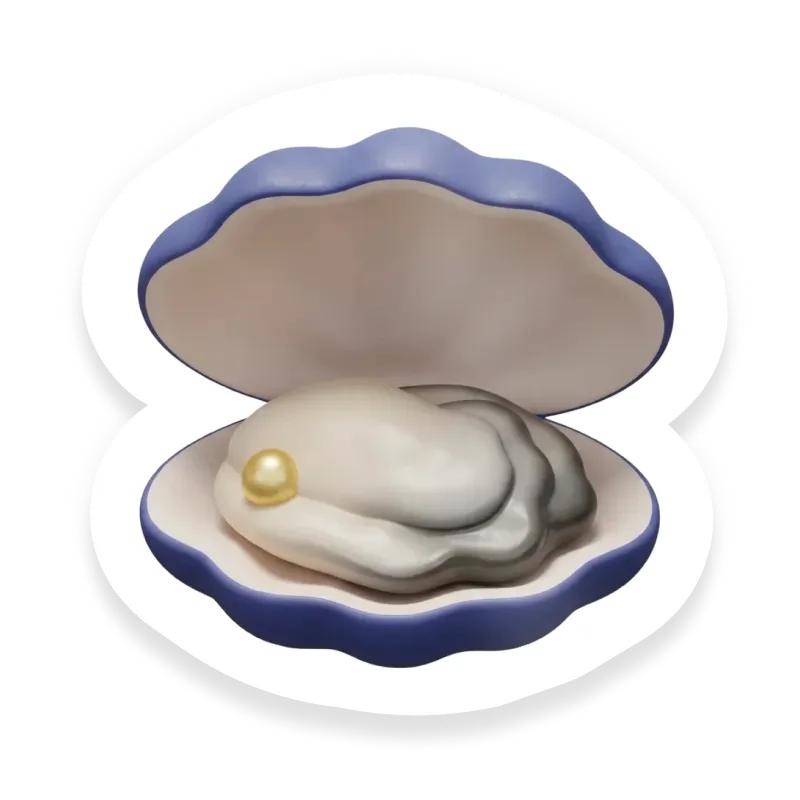
Oyster
Shellfish
Is Oyster Safe for Babies?
No, oysters are not suitable for babies due to high risk of foodborne illness; they should only be introduced after 6 months when thoroughly cooked and recommended by a healthcare provider.
Yes, but there are some things to know
At a Glance
Oysters are high in iron, providing a form of iron the body absorbs well and helping to make red blood cells. They are also rich in zinc and vitamin B12, which support immune health and energy.
How Do You Serve Oyster?
- 1Finely chop thoroughly cooked or canned oysters until very small; mix into a soft, scoopable base like mashed vegetables, mashed potato, or plain yogurt so it’s easy to scoop.
- 2Create a smooth, lump-free texture—add a little breast milk, formula, or water if needed so the spoon glides easily.
- 3Serve warm or at room temperature and always test the temperature before offering to avoid burns.
- 4Make sure oysters are fully cooked and pieces are tiny to reduce choking and foodborne-illness risks.
- 5Offer a small amount first and watch for allergy signs (hives, vomiting, difficulty breathing) over the next 48 hours; seek medical help if severe.
Is Oyster a Common Allergen?
Oysters are molluscan shellfish and can trigger shellfish allergy, which in some people causes severe reactions including anaphylaxis. Some individuals allergic to shellfish react to multiple shellfish types, while others react only to certain groups; cross-contamination at restaurants/markets is common. If a child has a known shellfish allergy, avoid oysters and related shellfish, consult an allergist before offering them, and keep emergency treatment (epinephrine) available if advised by a clinician.
What Nutrients Does Oyster Have?
Oysters are nutrient-dense for babies: they provide high-quality protein plus iron, zinc, vitamin B12, choline, calcium, and omega-3 fatty acids (supporting brain development, iron stores, and immune function). Offer small, thoroughly cooked or low‑sodium canned servings finely chopped for infants and introduce gradually—occasional servings are beneficial, but frequent intake could increase exposure to heavy metals (e.g., cadmium) or excess sodium. Monitor for allergic reactions and vary seafood choices to minimize contaminant risks while delivering key nutrients.
Is Oyster a Choking Hazard?
Low Choking Risk
Oysters are firm and slippery, which increases the risk of choking in babies and toddlers; they often require a lot of chewing and can be hard to manage in the mouth. Always supervise meals closely and stay within an arm's reach so you can react quickly if an episode occurs. Make sure you and any caregivers know infant/toddler choking first aid and have a plan to respond.
Have More Questions?
No. Oysters are nutrient-rich and can be beneficial for babies, but they carry a higher risk of foodborne illness, so thorough cooking and cautious introduction are essential.
No. Raw oysters should never be fed to babies due to the risk of bacterial infection and foodborne illness, especially Vibrio which is dangerous for young children.
It depends. Canned oysters can be introduced to babies as early as 6 months if finely chopped and cooked thoroughly to reduce choking and infection risks.
It depends. Oysters should always be cooked thoroughly to an internal temperature of 145°F (63°C) before feeding them to babies to prevent foodborne illness.
It depends. Oysters can be introduced around 6 months but should be served in an age-appropriate, finely chopped form and with proper precautions to prevent choking.
Is Oyster safe for your baby?
Get personalized guidance on introducing Oyster — with prep tips, allergen alerts, and age-specific serving ideas.
Sources
- Centers for Disease Control and Prevention — Foods that can cause food poisoning cdc.gov
- Chandravanshi L, Shiv K, Kumar S. (2021) — Developmental toxicity of cadmium in infants and children doi.org
- Centers for Disease Control and Prevention — Vibrio cdc.gov
- Lopata AL, O'Hehir RE, Lehrer SB. (2010) — Shellfish allergy (Clinical and Experimental Allergy) onlinelibrary.wiley.com
- U.S. Food & Drug Administration — Questions and answers regarding food allergens (Guidance for industry) fda.gov
- Kids With Food Allergies kidswithfoodallergies.org
- Food Allergy Research & Education — Shellfish Allergy foodallergy.org
- Food Allergy Research & Education — Fish Allergy foodallergy.org
What Other Shellfish Can Babies Eat?
See all →

Backed by Science
Data you can trust.
Every food, guideline, and recommendation in Tummi is sourced from leading health institutions and peer-reviewed research.
 Centers for Disease Control and Prevention
Developmental milestones, nutrition guidelines, and allergen introduction timelines.
 American Academy of Pediatrics
Evidence-based feeding recommendations from the leading pediatric authority.
 National Institutes of Health
Peer-reviewed research on infant nutrition, allergies, and food safety.