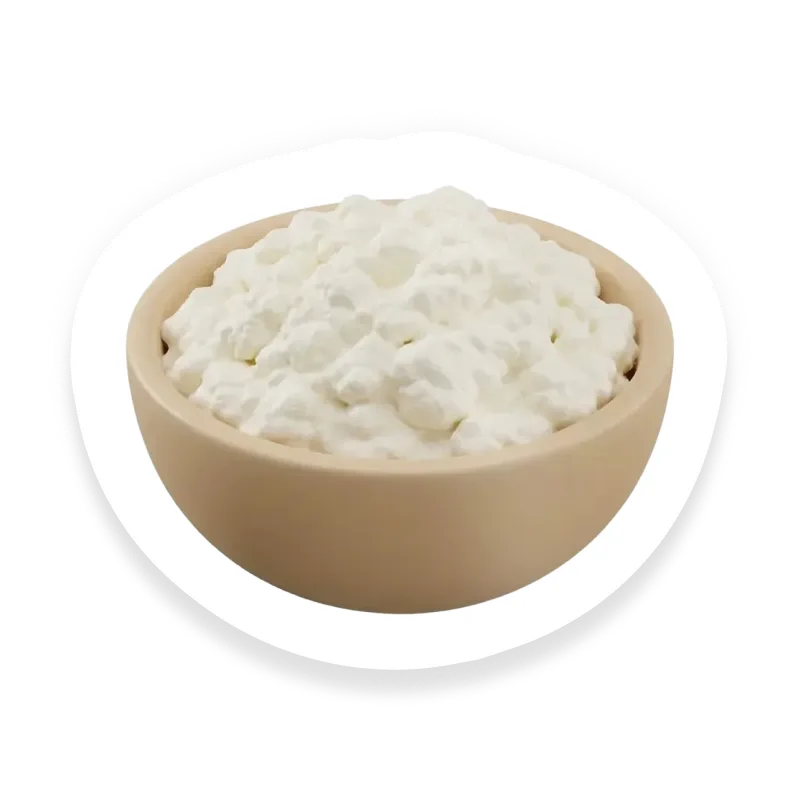
Ricotta Cheese
Dairy
Is Ricotta Cheese Safe for Babies?
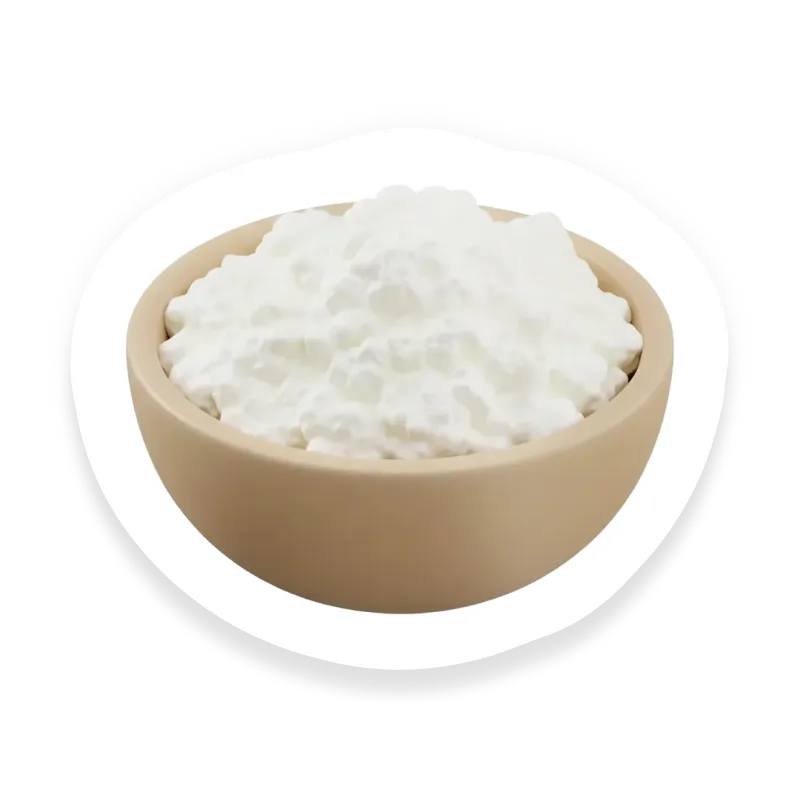
Yes, babies can eat pasteurized ricotta cheese starting around 6 months when they are ready for solids.
Yes, but there are some things to know
At a Glance
Ricotta is a dairy cheese that is rich in protein and a good calcium source, because it contains milk proteins like whey and casein that help build muscle and support bones. Because it is made from cow’s milk, it can trigger allergic reactions in people who are allergic to milk proteins.
How Do You Serve Ricotta Cheese?
- 1Spoon a few teaspoons of pasteurized ricotta into a small bowl or onto the tray and let baby self-scoop with fingers or use a pre-loaded, child-safe spoon.
- 2Thin the ricotta with a little breastmilk or formula if it’s too thick, or stir in a small amount of mashed fruit or smooth nut butter for extra flavor.
- 3Avoid unpasteurized ricotta and do not add honey; if using firm or salt-cured ricotta, only offer it grated and prepared for older children.
- 4Start with small amounts and supervise closely to watch for gagging or any allergic reaction.
Is Ricotta Cheese a Common Allergen?
Ricotta is a dairy product made from milk (typically whey or cow’s milk) and contains milk proteins and lactose, so it should be avoided by anyone with a cow’s‑milk allergy. It is not normally a peanut, tree‑nut, soy, egg, fish, shellfish, sesame or gluten allergen, but cross‑contact can occur in processing—always check the product label. Some people with lactose intolerance may tolerate small amounts; lactose‑free ricotta options exist. For infants or children with known or suspected milk allergy, consult your pediatrician or an allergist before offering ricotta.
What Nutrients Does Ricotta Cheese Have?
Ricotta is a nutrient-dense, pasteurized fresh cheese supplying high-quality protein, concentrated energy (fat), calcium, selenium, zinc, and vitamins A, B6, and B12—nutrients that support growth, bone development, brain function, and immune health in babies. It’s a convenient way to add calories and bioavailable protein and minerals to infants’ diets, but portions should be appropriate for age and offered as part of a balanced diet. Avoid raw/unpasteurized ricotta, watch sodium and saturated fat in some varieties (e.g., ricotta salata), and consult a clinician if you suspect a milk allergy.
Is Ricotta Cheese a Choking Hazard?
Very Low Choking Risk
Fresh, soft ricotta generally presents a low choking risk for babies, but firmer varieties (like ricotta salata) are more likely to pose a hazard. Parents should be aware of the cheese's texture and avoid offering firm pieces that could get lodged in a child's throat. Always stay within arm's reach and be familiar with the signs of choking and basic first-aid so you can respond quickly if needed.
Have More Questions?
Yes, ricotta cheese can be stored in the refrigerator for 1-2 days after opening. For longer storage, freeze small portions in an airtight container for up to 1 month.
Yes, you can freeze ricotta cheese in small portions to use later. Thaw in the refrigerator and use within 24 hours to ensure freshness and safety for your baby.
It depends. When choosing ricotta for your baby, opt for organic if possible, but conventional ricotta is also safe if pasteurized, as it minimizes risk of foodborne illness.
It depends. Combining ricotta with mashed fruits or vegetables can be a nutritious way to introduce new flavors and textures, but always introduce new foods one at a time to monitor for reactions.
It depends. For portion sizes, start with a small spoonful and watch for signs of fullness; typical servings for babies range from 1 to 2 tablespoons depending on age.
Is Ricotta Cheese safe for your baby?
Get personalized guidance on introducing Ricotta Cheese — with prep tips, allergen alerts, and age-specific serving ideas.
Sources
- Committee on Infectious Diseases; Committee on Nutrition; American Academy of Pediatrics. (2014). Consumption of raw or unpasteurized milk and milk products by pregnant women and children. pediatrics.aappublications.org
- U.S. Food & Drug Administration. Dangers of raw milk. fda.gov
- Strazzullo P, Campanozzi A, Avallone S. (2012). Does salt intake in the first two years of life affect the development of cardiovascular disorders in adulthood? Nutr Metab Cardiovasc Dis. doi.org
- Soloway RA. (2013). Sodium: Too Much of a Good Thing. National Capital Poison Center. poison.org
- Liem DG. (2017). Infants' and Children's Salt Taste Perception and Liking: A Review. Nutrients. doi.org
- Yang S, Wang H. (2023). Avoidance of added salt for 6-12-month-old infants: A narrative review. Archives de pediatrie. doi.org
- Warren CM et al. (2013). The epidemiology of milk allergy in US children. Ann Allergy Asthma Immunol. doi.org
- El-Agamy E. (2007). The challenge of cow milk protein allergy. Small Ruminant Research. doi.org
- North American Society for Pediatric Gastroenterology, Hepatology and Nutrition Foundation. Cow’s milk protein allergy. GI Kids. gikids.org
- Wood RA et al. (2013). The natural history of milk allergy in an observational cohort. J Allergy Clin Immunol. doi.org
- Nowak-Węgrzyn A. (2015). Food protein-induced enterocolitis syndrome and allergic proctocolitis. Allergy Asthma Proc. doi.org
- National Organization for Rare Disorders. (2019). Food Protein-Induced Enterocolitis Syndrome. rarediseases.org
- InformedHealth.org (IQWiG). Living with lactose intolerance. ncbi.nlm.nih.gov
What Other Dairy Can Babies Eat?
See all →
Backed by Science
Data you can trust.
Every food, guideline, and recommendation in Tummi is sourced from leading health institutions and peer-reviewed research.
 Centers for Disease Control and Prevention
Developmental milestones, nutrition guidelines, and allergen introduction timelines.
 American Academy of Pediatrics
Evidence-based feeding recommendations from the leading pediatric authority.
 National Institutes of Health
Peer-reviewed research on infant nutrition, allergies, and food safety.