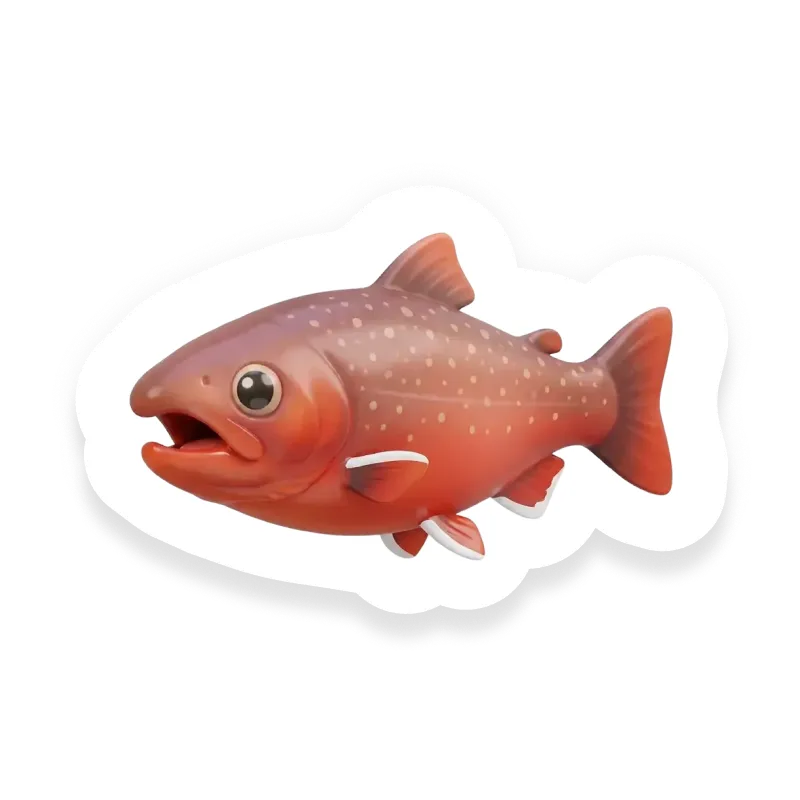
Arctic Char
Fish
Is Arctic Char Safe for Babies?
Yes, fully cooked arctic char can be introduced around 6 months of age, as it is low in mercury and rich in essential nutrients for babies.
Yes, but there are some things to know
At a Glance
Arctic char provides a modest, easily absorbed amount of iron because it contains heme iron, the animal form the body absorbs more readily. It also supplies protein and B12 along with omega-3 fats that support healthy blood and brain function.
Arctic char can trigger reactions in people with fish sensitivities because it contains fish muscle protein that often prompts an immune response. It is also a nutritious choice, rich in omega-3 fatty acids and high quality protein, plus vitamin D to support heart, brain and bone health.
How Do You Serve Arctic Char?
- 1Cook the arctic char until it is fully done and flakes easily; remove any bones and the skin before serving.
- 2Cut into long strips about the length and width of two adult fingers pressed together so they are easy to grasp.
- 3If the fish is very soft, gently flake it and mix into mashed vegetables or form small, soft fish cakes to make self-feeding easier and increase intake.
- 4Serve cooled to warm (not hot) and always supervise during feeding to watch for any remaining bones or choking risk.
Is Arctic Char a Common Allergen?
Arctic char is a finned fish and should be treated as a fish allergen — avoid giving it to children with known fish allergies and be aware of cross-reactivity with other fish such as salmon or trout. It does not contain shellfish, dairy, eggs, peanuts, tree nuts, soy, gluten, or sesame, but watch for small bones and possible cross-contamination during processing or at restaurants. If your child has any food allergies or you’re unsure, consult your pediatrician or an allergist before serving.
What Nutrients Does Arctic Char Have?
Arctic char is a nutrient-dense, baby-friendly fish: it provides high-quality protein, omega-3 DHA (important for brain and vision development), vitamin D, B12, B6, vitamin A, zinc, and bioavailable iron. Because arctic char tends to be low in mercury, it’s a safer fish choice for infants and can be offered regularly (e.g., ~1–2 times per week) as part of a varied diet. Avoid frequent servings of smoked varieties (high in sodium) and introduce fish in small amounts while watching for allergic reactions; rotate fish types to limit contaminant exposure. Overall, the DHA, iron, protein, vitamin D, and zinc are particularly beneficial for infants’ growth and neurodevelopment.
Is Arctic Char a Choking Hazard?
Very Low Choking Risk
Cooked arctic char is generally low risk for choking when bones and skin are removed, but small fish bones can still become lodged in a baby’s mouth, throat, or esophagus. Stay within arm’s reach and watch closely for any signs of choking or gagging while baby eats, and be prepared to administer basic choking first aid if needed. If you’re concerned about bone fragments or your child’s swallowing skills, consult your pediatrician.
Have More Questions?
Yes. Arctic char can be stored in the refrigerator for 1-2 days or frozen for longer storage to maintain freshness, making it convenient for meal planning for your baby.
Yes. You can freeze pureed arctic char in individual portions for up to 3 months, and thaw it safely in the refrigerator before serving to your baby.
Yes. Organic arctic char is often farmed with stricter regulations on pesticides and chemicals, but both organic and conventional fish are nutritious options for babies.
Yes. You can combine arctic char with vegetables or grains to introduce new flavors and textures, as long as the foods are age-appropriate and prepared safely for your baby.
Yes. Portion sizes for babies depend on their age, but generally, a small finger-sized piece or about 1-2 tablespoons of cooked fish is appropriate for a 6-12 month-old baby.
Is Arctic Char safe for your baby?
Get personalized guidance on introducing Arctic Char — with prep tips, allergen alerts, and age-specific serving ideas.
Sources
- Advice about Eating Fish (Center for Food Safety and Applied Nutrition, FDA) fda.gov
- The Relationship of Docosahexaenoic Acid (DHA) with Learning and Behavior in Healthy Children: A Review doi.org
- Environmental mercury and its toxic effects doi.org
- Fish and shellfish allergy in children: Review of a persistent food allergy doi.org
- Prevalence of fish and shellfish allergy: A systematic review doi.org
- Allergic reactions to foods by inhalation doi.org
- Sensitization to inhalant allergens in children diagnosed with food hypersensitivity doi.org
- Scombrotoxin poisoning and decomposition (U.S. FDA) fda.gov
What Other Fish Can Babies Eat?
See all →
Backed by Science
Data you can trust.
Every food, guideline, and recommendation in Tummi is sourced from leading health institutions and peer-reviewed research.
 Centers for Disease Control and Prevention
Developmental milestones, nutrition guidelines, and allergen introduction timelines.
 American Academy of Pediatrics
Evidence-based feeding recommendations from the leading pediatric authority.
 National Institutes of Health
Peer-reviewed research on infant nutrition, allergies, and food safety.