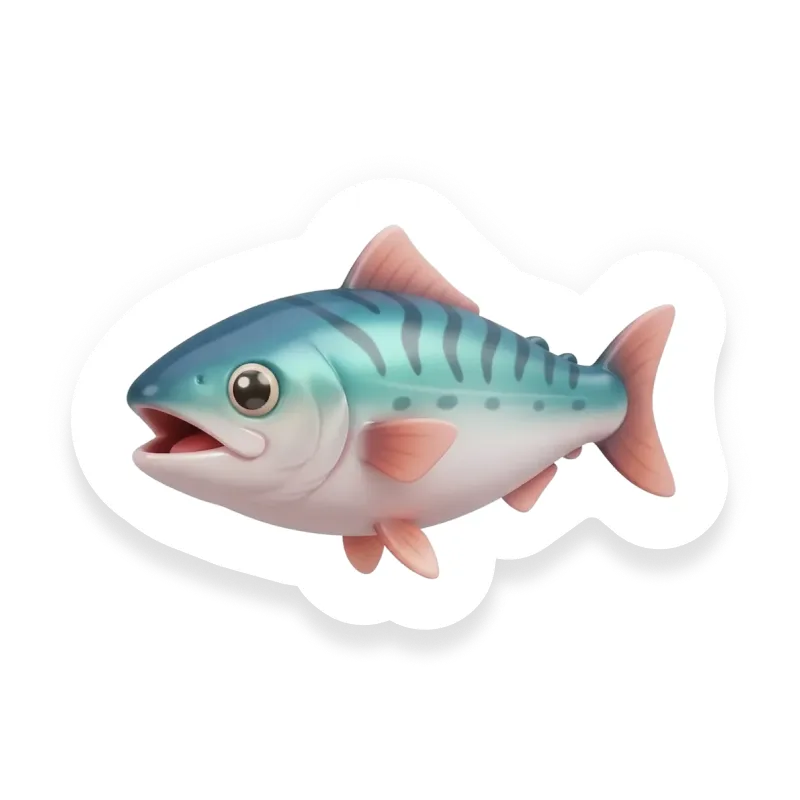
Mackerel (North Atlantic)
Fish
Is Mackerel (North Atlantic) Safe for Babies?
Yes, North Atlantic mackerel can be introduced around 6 months when babies start solids; cook thoroughly and serve in small, manageable portions.
Yes, but there are some things to know
At a Glance
North Atlantic mackerel supplies heme iron that is absorbed well and helps carry oxygen in the blood. It also provides vitamin B12 and omega-3 fatty acids, which support energy and brain function and can help prevent iron-deficiency anemia.
North Atlantic mackerel is rich in omega-3 fatty acids and vitamin D, which help reduce inflammation and support heart and brain health. It also contains fish protein allergens, so some people may have allergic reactions when they eat it.
How Do You Serve Mackerel (North Atlantic)?
- 1Offer soft strips of canned mackerel or flaked, well-cooked and thoroughly deboned fresh mackerel mixed into mashed avocado, plain yogurt, a little mayonnaise, or a drizzle of olive oil; serve on a pre-loaded spoon or spread thinly on toast.
- 2When using canned mackerel, bones are usually softened by the canning process but always double-check and remove any hard bits before offering.
- 3Start with small amounts and watch for gagging or allergy signs; mash or flake to a texture that's easy to swallow and warm to room temperature if needed.
- 4Refrigerate leftovers promptly and use within 24 hours; discard if the smell or texture seems off.
Is Mackerel (North Atlantic) a Common Allergen?
Mackerel is a common fish allergen—anyone with a diagnosed fish allergy should avoid it and be aware that people allergic to one fish may react to others. Fish and shellfish allergies are different (you can be allergic to one but not the other). Mackerel (a scombroid species) can also cause histamine (scombroid) poisoning if not stored correctly, which mimics allergic symptoms but is food poisoning. Take care with small bones when serving to children and store/handle fish properly; seek medical advice if any allergic symptoms occur.
What Nutrients Does Mackerel (North Atlantic) Have?
North Atlantic mackerel is nutrient-dense — high-quality protein plus omega-3 fatty acids (notably DHA), iron, selenium, vitamin B12 (and other B vitamins) and vitamin D — nutrients that support brain/eye development, red blood cell formation, immune/thyroid function, and bone health. Because North Atlantic mackerel is typically low in mercury, it’s a good choice for babies (can be introduced around 6 months) and can be offered regularly in rotation (about once weekly), but avoid high‑mercury mackerel species (king, Spanish). Introduce in small amounts and watch for allergic reactions since finned fish are a common allergen; also ensure proper storage/cooking to avoid scombroid poisoning.
Is Mackerel (North Atlantic) a Choking Hazard?
Low Choking Risk
Prepared appropriately, mackerel presents a low choking risk, but as with any food a child could choke on pieces that are too large or firm. Remove all bones from freshly cooked fish (canned mackerel bones are usually softened by the canning process) and supervise meals closely, staying within arm’s reach. Watch your baby’s chewing and gagging cues and offer small, manageable pieces that match their developmental stage.
Have More Questions?
It depends. While mackerel is generally safe for babies around 6 months, always ensure it is cooked thoroughly, boneless, and served in appropriate portions to prevent choking and facilitate digestion.
Yes. Cooked Mackerel can be stored in an airtight container in the refrigerator for up to 2 days or frozen for up to 3 months, making it easy to prepare and serve later.
It depends. Organic mackerel may have fewer contaminants, but both organic and conventional mackerel are safe options for babies if properly prepared and sourced from reputable suppliers.
Yes. Combining mackerel with vegetables, grains, or fruits can create balanced and appealing meals for your baby, but avoid mixing too many new textures or flavors at once.
It depends. Typical portion sizes for babies starting solids are about 1 to 2 tablespoons of finely flaked fish per feeding, gradually increasing as your baby grows and tolerates new textures.
Is Mackerel (North Atlantic) safe for your baby?
Get personalized guidance on introducing Mackerel (North Atlantic) — with prep tips, allergen alerts, and age-specific serving ideas.
Sources
- U.S. Food & Drug Administration. Mercury Levels in Commercial Fish and Shellfish (1990-2012).
- Tong WS, Yuen AW, Wai CY, Leung NY, Chu KH, Leung PS. (2018). Diagnosis of fish and shellfish allergies. J Asthma Allergy, 11, 247-60.
- Tsabouri S., Triga M., Makris M., Kalogeromitros D., Church MK., Priftis KN. (2012). Fish and shellfish allergy in children: Review of a persistent food allergy. Pediatric Allergy and Immunology, 23(7), 608–615.
- Moonesinghe H, Mackenzie H, Venter C, et al. (2016). Prevalence of fish and shellfish allergy: A systematic review. Ann Allergy Asthma Immunol, 117(3):264-272.e4.
- Food Allergy Research & Education. Fish Allergy.
- Food Allergy and Anaphylaxis Connection Team. Food Allergy & Anaphylaxis – Fish.
- Crespo J.F., Pascual C., Vallecillo A., Esteban M.M. (1995). Sensitization to inhalant allergens in children diagnosed with food hypersensitivity. Allergy Proc, 16:89–92.
- James J.M., Crespo J.F. (2007). Allergic reactions to foods by inhalation. Curr. Allergy Asthma Rep, 7:167–174.
- U.S. Food & Drug Administration. (2017). Scombrotoxin poisoning and decomposition.
- United States Environmental Protection Agency. Basic Information about Mercury.
- Harvard T.H. Chan School of Public Health. Fish: Friend or Foe?
- Rice K., Walker E., Wu M., Gillette C., Blough E. (2014). Environmental mercury and its toxic effects. Journal of Preventative Medicine and Public Health, 47(2): 74-83.
What Other Fish Can Babies Eat?
See all →
Backed by Science
Data you can trust.
Every food, guideline, and recommendation in Tummi is sourced from leading health institutions and peer-reviewed research.
 Centers for Disease Control and Prevention
Developmental milestones, nutrition guidelines, and allergen introduction timelines.
 American Academy of Pediatrics
Evidence-based feeding recommendations from the leading pediatric authority.
 National Institutes of Health
Peer-reviewed research on infant nutrition, allergies, and food safety.