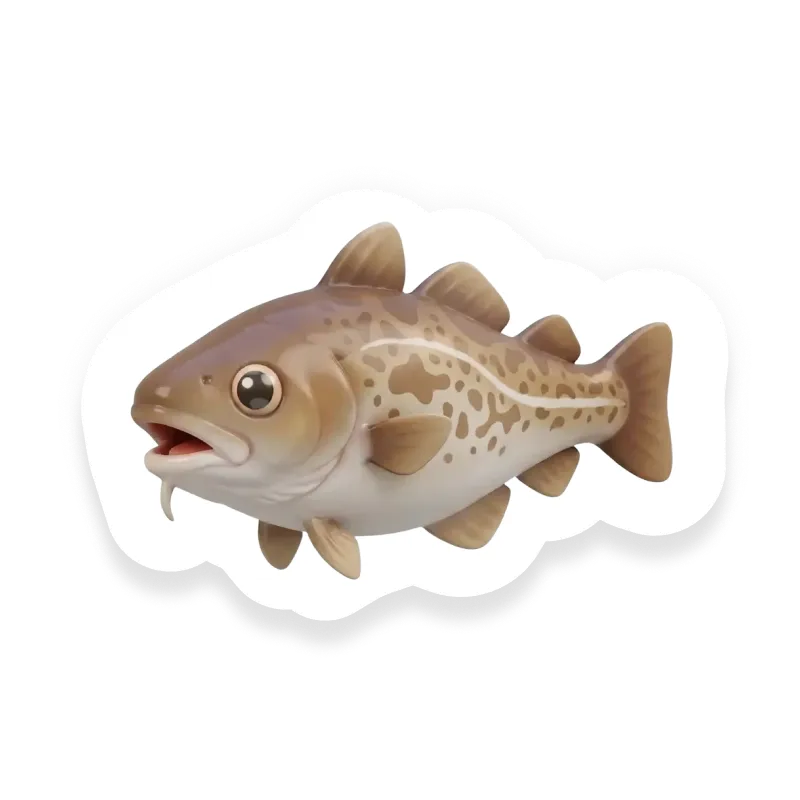
Cod
Fish
Is Cod Safe for Babies?
Yes, babies can eat cooked cod at around 6 months old, when they are ready to start solids, ensuring it is properly prepared and bones are removed.
Yes, but there are some things to know
At a Glance
Cod is a fish that commonly triggers allergies in sensitive people because of heat-stable muscle proteins such as parvalbumin. It is also rich in protein and supplies omega-3 fatty acids, vitamin B12, and selenium which support heart and brain health.
How Do You Serve Cod?
- 1Cook cod until opaque and it flakes easily, then remove all bones and skin before serving.
- 2Cut into thin, soft strips about the width of two adult fingers pressed together so pieces are easy to grasp and gum.
- 3Or flake the fish finely and mix into soft, scoopable foods (for example mashed potato or porridge) to make bites safer and easier.
- 4Only offer fish cakes when they are very soft and not in small, firm pieces that could cause choking.
Is Cod a Common Allergen?
Cod is a fish and a common allergen—do not give it to children known to have fish allergies, as reactions can be severe, including anaphylaxis. Cooking does not reliably eliminate fish allergens, and cross-contamination can occur in kitchens or processed foods (e.g., fish sauce, surimi), so always ask about ingredients when eating out. Read labels carefully and consult your pediatrician or an allergist if you suspect an allergy or for emergency action planning.
What Nutrients Does Cod Have?
Cod is a lean, low‑mercury fish that provides high‑quality protein and important micronutrients for babies, including omega‑3 fatty acids (supports brain and eye development), choline, selenium, potassium, magnesium, and B vitamins (B6 and B12) which support growth, metabolism, and neurologic development. Regular inclusion in age‑appropriate servings (bones and skin removed) can help meet infants' protein and developmental nutrient needs, though cod is not a significant source of iron so continue offering iron‑rich foods. While cod is generally low in mercury, parents should vary fish choices and follow public health guidance on fish servings to avoid excessive exposure to contaminants.
Is Cod a Choking Hazard?
Low Choking Risk
Cooked cod with bones and skin removed generally presents a low choking risk. However, fish bones can be easy to miss and may lodge in the mouth or throat, so carefully check and remove any bones before offering cod. Always stay within arm’s reach and watch your baby closely while they eat in case of sudden difficulty.
Have More Questions?
It depends. Freezing cooked or prepared cod puree can extend shelf life, but ensure proper storage and thawing practices to retain safety and quality.
Yes. When properly prepared and cooked, cod can be introduced to babies around 6 months old as part of a balanced diet, considering individual readiness and dietary guidelines.
Yes. Cod is low in mercury and provides essential nutrients like omega-3s, supporting healthy growth and brain development in babies.
Yes. Cod is classified as a common allergen among finned fish, so consult with an allergist and introduce it gradually while observing for allergic reactions.
No. When bones and skin are carefully removed, cooked cod poses minimal choking risk; still, always supervise and serve in age-appropriate textures.
Is Cod safe for your baby?
Get personalized guidance on introducing Cod — with prep tips, allergen alerts, and age-specific serving ideas.
Sources
- U.S. Food & Drug Administration. (2019, July). Advice about Eating Fish. fda.gov
- Food Allergy Research & Education. Fish Allergy: Video.
- Tong WS, Yuen AW, Wai CY, Leung NY, Chu KH, Leung PS. (2018). Diagnosis of fish and shellfish allergies. J Asthma Allergy, 11, 247-60.
- Tsabouri S., Triga M., Makris M., Kalogeromitros D., Church MK, Priftis KN. (2012). Fish and shellfish allergy in children: Review of a persistent food allergy. Pediatric Allergy and Immunology, 23(7), 608–615. doi.org
- Moonesinghe H, Mackenzie H, Venter C, et al. (2016). Prevalence of fish and shellfish allergy: A systematic review. Ann Allergy Asthma Immunol, 117(3):264-272.e4. doi.org
- Food Allergy Research & Education. Fish allergy. foodallergy.org
- Food Allergy & Anaphylaxis Connection Team. Food Allergy & Anaphylaxis – Fish.
- James JM, Crespo JF. (2007). Allergic reactions to foods by inhalation. Curr Allergy Asthma Rep, 7:167–174. doi.org
- Crespo JF, Pascual C, Vallecillo A, Esteban MM. (1995). Sensitization to inhalant allergens in children diagnosed with food hypersensitivity. Allergy Proc, 16:89–92. doi.org
- U.S. Food & Drug Administration. (2017). Scombrotoxin poisoning and decomposition. fda.gov
What Other Fish Can Babies Eat?
See all →
Backed by Science
Data you can trust.
Every food, guideline, and recommendation in Tummi is sourced from leading health institutions and peer-reviewed research.
 Centers for Disease Control and Prevention
Developmental milestones, nutrition guidelines, and allergen introduction timelines.
 American Academy of Pediatrics
Evidence-based feeding recommendations from the leading pediatric authority.
 National Institutes of Health
Peer-reviewed research on infant nutrition, allergies, and food safety.